
Last updated October 16, 2026
 Water damage drying
 Fire & smoke cleanup
 Mold remediation
 Storm response
 Sewage cleanup
 Reconstruction
Free visual inspection and a written scope of work before any mitigation begins - photos, moisture readings, and drying logs go in your claim file
The scope we write is the scope we bill. Anything new gets shown to you, in writing, before we touch it.
Get your free estimateDamage Restoration Permits, Codes & Inspections in TX: What You Need to Know
Here’s a scenario we’ve seen play out more times than we’d like: a homeowner in Dallas has a supply line burst upstairs, calls a restoration company, gets the drywall torn out and replaced, repaints, and moves on with life. Five years later they sell the house. The buyer’s inspector notices the drywall seams don’t match the original build, pulls the permit history on the City of Dallas portal, and finds nothing. The sale stalls. The seller calls their original insurer. The insurer says: the restoration work was never permitted, so the claim file is closed and we won’t write anything for you now. It’s a hard lesson, and it happens in Dallas, Plano, Garland, Mesquite, and Irving more often than anyone in the trade wants to admit. This guide explains exactly which restoration tasks in Texas need permits, which don’t, how Dallas and its neighboring cities differ, and how to verify the paper trail before it becomes your problem. We’re Carl Brandt and the team at Dryden Restoration Dallas, and we’ve been managing restoration permits across the Dallas-Fort Worth metro since 2005.
Restoration work we handle
Quick Answer
Most water, fire, and mold restoration work in Texas requires a permit only when it touches structure, electrical, plumbing, or HVAC. That means replacing drywall, flooring, or paint after a flood typically doesn’t need a city permit, but cutting a stud, re-running Romex, moving a drain line, or replacing ductwork almost always does, and the threshold varies by city: Dallas requires permits for structural alterations and re-roofs beyond a certain area, while Plano, Garland, Mesquite, and Irving each have their own square-footage and dollar-value triggers. The safest path in Dallas is to ask your restoration contractor for the permit number and the city’s inspection sign-off before you pay the final invoice, because an unpermitted repair can surface years later in a home sale and your original insurer generally won’t help you fix the record.
Table of Contents
- Which Restoration Jobs Always Need a Permit
- Which Jobs Never Need a Permit
- How Dallas, Plano, Garland, Mesquite, and Irving Differ
- What ‘Code Upgrade’ Means During Restoration
- How to Verify a Permit Was Actually Pulled and Closed
- Why Insurance Adjusters Care About Permits
- Who’s Responsible: You or the Contractor?
- Common Mistakes to Avoid
- When to Call a Professional
- Frequently Asked Questions
- The Bottom Line
Which Restoration Jobs Always Need a Permit
Let’s start with the non-negotiable list. These are restoration tasks where a permit is required nearly everywhere in Texas, including every city in Dallas County. When we’re doing water damage restoration in Dallas, these are the items we flag immediately.
- Structural repairs. If a water loss or fire damage compromised a load-bearing wall, floor joist, ceiling joist, or roof truss, replacing or reinforcing that member always requires a permit. The City of Dallas building code, like most Texas municipalities adopting the International Residential Code (IRC), treats any work on structural framing as a regulated alteration. In practice, that means a fire-damaged ceiling where we’re sistering a charred joist: permit. A water-damaged floor where we’re replacing a rotted sill plate: permit.
- Electrical re-runs and new circuits. When water or fire damages wiring, the repair isn’t just splicing a wire. It’s often pulling the damaged section of Romex back to the nearest junction box and re-running it. That work falls under the National Electrical Code, which every Dallas-area city adopts with local amendments. The City of Dallas requires an electrical permit for any branch circuit work beyond simple device replacement.
- Plumbing line changes. Moving a drain, supply line, or fixture location needs a plumbing permit. Replacing an existing water heater or toilet in the same location typically doesn’t. But when a mold remediation job requires removing a shower pan and we discover the drain needs to be re-centered or the vent stack moved, that’s a plumbing permit.
- HVAC duct replacement. After a fire or significant smoke event, ductwork is often replaced rather than cleaned. Any duct installation or modification falls under the mechanical code. In Dallas, a mechanical permit is needed for new duct runs, duct replacement beyond a single branch, and any handler or condenser change-out associated with the loss.
- Window and door replacement where openings change size. If fire or impact damage requires enlarging or moving a window opening, that’s structural and requires a permit. Same-size replacements usually do not.
One important nuance: the dollar threshold. The State of Texas doesn’t set a statewide restoration permit trigger. Each city does. We’ll cover the specific thresholds below in the Dallas vs. suburbs section, but the principle holds: if the work touches framing, wiring, pipes, or ducts, assume you need a permit regardless of cost.
Which Jobs Never Need a Permit
Here’s the part most homeowners care about, because it’s where restoration companies differ. The majority of a typical water damage restoration job in Dallas does NOT require a permit. That includes:
- Drywall patching under an area threshold. In Dallas, drywall replacement under 64 square feet typically doesn’t trigger a building permit as long as it’s non-structural. In Plano the threshold is different, which we’ll get to below; in Garland and Mesquite, small drywall patches on non-fire-rated walls are generally exempt.
- Flooring replacement. Removing water-damaged carpet, hardwood, vinyl, or tile and installing new flooring of the same type in the same footprint doesn’t require a permit in any Dallas-area city. This includes subfloor replacement when the subfloor is not structural.
- Painting, trim, and finish carpentry. Cosmetic work never requires a permit.
- Cabinet replacement. Swapping out water-damaged base cabinets for new cabinets of the same dimensions, same footprint, no plumbing line changes: no permit needed.
- Insulation replacement. Replacing wet fiberglass batts or blown-in insulation is not a regulated alteration.
- Mold remediation of non-structural materials. Dry ice blasting a crawl space, HEPA vacuuming wall cavities, and removing contaminated drywall without touching framing is demolition, not construction. No permit. But if the mold remediation involves replacing structural sheathing or load-bearing members, the repair portion may need one.
When we do mold remediation in Dallas, we routinely remove and replace drywall, insulation, and flooring with no permit required, because the work is non-structural and the square footage is under the city’s threshold. The permit conversation starts the moment we find a compromised stud, a charred truss, or a corroded wire. And our team will tell you that before we touch it, because it changes both the scope and the cost.
How Dallas, Plano, Garland, Mesquite, and Irving Differ
This is the section no one else seems to write, and it’s the one that actually matters. Texas has no single restoration permit code. The state authorizes each municipality to adopt and amend the IRC and IBC, plus the electrical, plumbing, and mechanical codes. So the answer to “do I need a permit for this restoration?” depends on your address.
City of Dallas
Dallas requires permits for structural alterations, re-roofs, electrical branch circuit work, plumbing line changes, and mechanical duct replacement as described above. For non-structural drywall replacement, the City of Dallas building permit threshold is generally treated at 64 square feet per wall section, though the official code language is less precise; in practice, the city takes enforcement action when inspections reveal load-bearing work or changed opening sizes without a permit. The city’s online portal, Dallas Build + (operated through the city’s development services), allows anyone to search permit history by address.
Plano
Plano is more restrictive than Dallas in one key way: any drywall replacement exceeding 32 square feet on a fire-rated wall (which most attached garage walls are) triggers a permit review. Plano also requires a permit for any electrical work beyond replacing a single device. If your water damage restoration in Plano involves running a new circuit for a sump pump or dehumidifier, that’s an electrical permit in Plano, full stop.
Garland
Garland follows the IRC but has a notable trigger: if the restoration work’s valuation (labor plus materials) exceeds $1,000, a building permit is typically required, even for work that would be exempt elsewhere. That’s low. A water heater replacement with minor venting changes can hit that number. In Garland, if the cost to restore your water-damaged laundry room exceeds $1,000, the city expects a permit.
Mesquite
Mesquite follows a hybrid: structural and MEP (mechanical, electrical, plumbing) work always needs permits; non-structural finishes are exempt. But Mesquite’s code amendments require that any drywall replacement over 100 square feet on an exterior or fire-rated wall be permitted and inspected. That’s a lot of patch work on a large water loss.
Irving
Irving requires permits for structural changes and re-roofs, but its electrical and plumbing permit requirements are similar to Dallas. The city’s notable feature is enforcement: Irving Building Inspection is known for its thorough follow-up on restoration permits, and the city flags unpermitted work when it processes a certificate of occupancy at sale.
Here’s the practical takeaway from twenty years of working these five cities: never assume your restoration contractor’s default answer is correct for your specific city. A company that does mostly Dallas work may not know Plano’s 32-square-foot fire-wall rule. And a company that does mostly Plano work may over-permit a Dallas job and add $500 in fees and three weeks of review time that you don’t actually need.
What ‘Code Upgrade’ Means During Restoration
This is the single most misunderstood concept in restoration permitting, and it’s the one that surprises homeowners with $200 to $800 in extra costs during an already stressful repair. When a restoration job does require a permit, the inspector evaluates the opened area against the current code, not the code that existed when the house was built. That’s called a code upgrade.
Here’s the classic Dallas example. A 1972 ranch home in Lake Highlands has a toilet supply line burst in the hall bathroom. The original bathroom had two-prong, non-grounded receptacles, which were legal when the house was built. We open the wet wall to replace damaged drywall and discover the toilet flange needs realignment, which is a plumbing permit. When the city inspector comes out for the plumbing inspection, they look at the exposed wall cavity and note the two-prong outlet in the opened area. Under current Dallas electrical code, any opened wall that exposes a receptacle requires the receptacle to be upgraded to a GFCI (ground fault circuit interrupter) outlet if it’s within six feet of a water source. That’s a code upgrade. And it’s not optional: the inspector won’t sign off on the plumbing permit until the outlet is upgraded.
The cost is typically $200 to $800, depending on whether the circuit requires a new GFCI breaker at the panel, the age of the home, and the wall’s accessibility.
Code upgrades aren’t limited to electrical. We’ve seen water-damaged bathrooms require trip-lever drain conversions to push-button drains under current plumbing code, smoke detector hardwiring when a fire restoration opened a hallway ceiling, and tempered glass replacements when a fire restoration required a new side-light window near a door. Each one adds cost that wasn’t in the original adjuster’s estimate, and each one is legitimately required by the city.
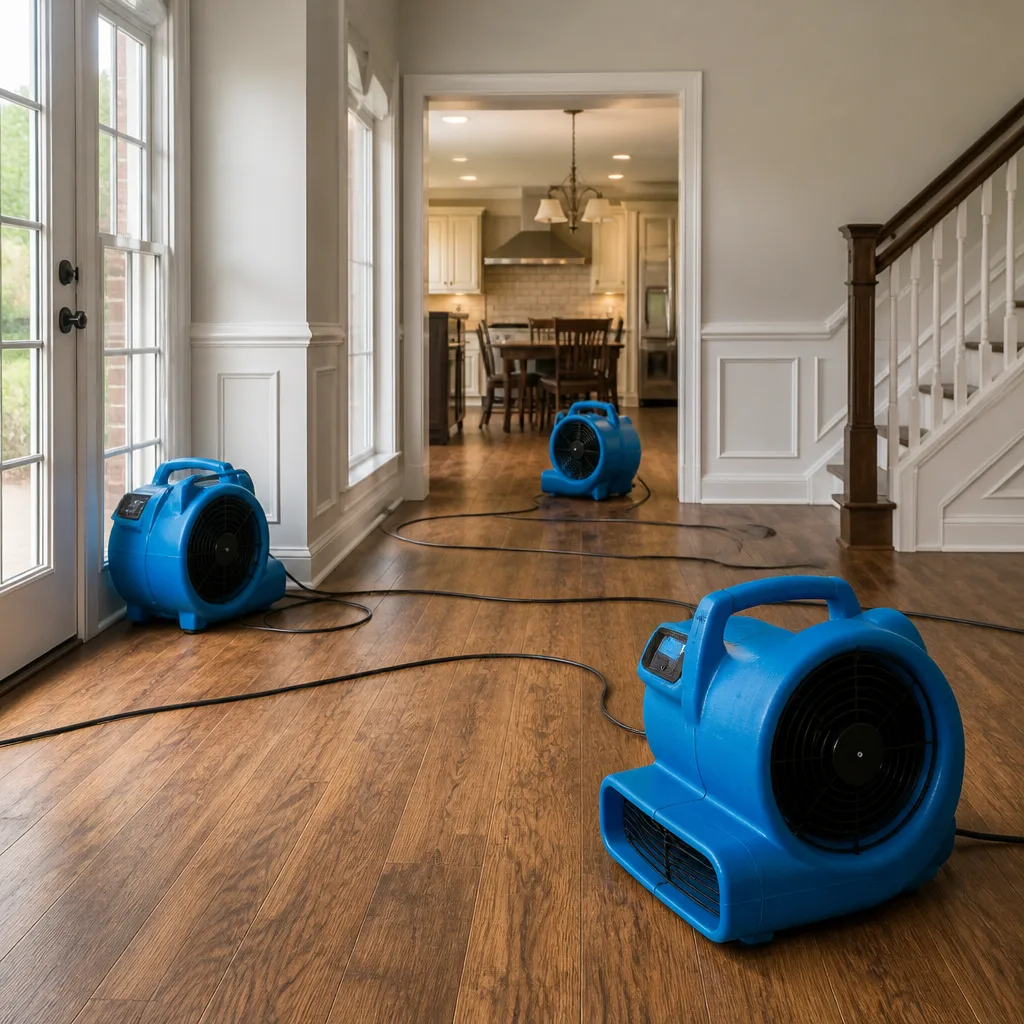
Here’s the important thing: a good fire damage restoration in Dallas contractor will identify code upgrades before the work begins and put them in the written scope. That way, the supplemental insurance claim can cover them. If we find a two-prong outlet exposed in a wet wall, we tell you before the inspector arrives, because we’d rather negotiate that cost with the adjuster than write it as an out-of-pocket surprise. We run every job with Dri-Eaz and Phoenix drying equipment, but the code conversation is pure paperwork and plain English, and we have that conversation before we open the wall.
How to Verify a Permit Was Actually Pulled and Closed
Here’s the step-by-step process for verifying a restoration permit in the City of Dallas, written in plain English. If you’re in a different city, the portal name changes, but the steps are almost identical.
- Go to the City of Dallas Development Services website. The current portal is called Dallas Build + and it replaced the older Permit and Inspection system. You don’t need an account to search.
- Click “Search Permits” or “Permit Search.” On the Dallas Build + home page, there’s a public search option. Some cities require you to accept a disclaimer first.
- Enter your street address. Use the full street address without city or ZIP. If the street is a number (e.g., 2nd Avenue), spell it out. The portal matches on the house number and street name.
- Look for permits filed during your restoration period. The search results list all permits associated with the address, including the original build and any remodel work. Note the permit type (Building, Electrical, Plumbing, Mechanical), the issue date, and the status.
- Check that the status reads “Closed,” “Finaled,” or “Complete.” An “Issued” permit means it was pulled but never inspected. An “Open” or “In Process” permit means the job wasn’t signed off. A closed permit means the work was inspected and the city accepted it.
- If a permit is open or missing, call the Development Services Department. The Dallas number is published on the city site. Ask for the permit history on your address and whether any restoration work was filed. They will tell you.
In Plano, the portal is called My Plano Portal. In Garland, it’s eTRAKiT. In Mesquite and Irving, it’s their own eTRAKiT or Accela implementations. The process is the same: search by address, read the status, call if anything is off.
One of our commitments at Dryden Restoration Dallas is that we hand every homeowner their permit number and final inspection sign-off before we ask for the final payment. It’s not a courtesy. It’s the last step of a clean restoration, and it’s what protects you five years later when you’re sitting at a closing table.
Why Insurance Adjusters Care About Permits
The insurance angle is the most overlooked part of the permit conversation, and it’s also the one that can cost you real money. Here’s what happens in a typical supplemental claim.
You have a water loss. Your adjuster writes an initial estimate for $4,800. We start work and find the damage is deeper: the bottom plate of an exterior wall has rot in three stud pockets. That’s structural. We tell you and your adjuster. The adjuster opens a supplemental claim, which means the original claim file gets re-opened and the estimate goes up, maybe to $9,200. At that point, the adjuster has two jobs: settle the claim accurately and make sure the work falls within the policy’s covered scope. If the structural repair we just documented was already done without a permit, the adjuster can flag it. The policy’s “law and ordinance” or “building code” clause may not apply to unpermitted work. And in some cases, the carrier’s own claims manual instructs the adjuster to verify permits on any restoration over a dollar threshold, usually $10,000, sometimes as low as $5,000.
When the permit trail is clean, the supplement processes smoothly. When it’s not, the adjuster has a reason to push back on code upgrades, delay the supplement, or in the worst case, deny additional living expense coverage tied to the unpermitted repair. We’ve seen adjusters ask for permit numbers on water damage restoration in Dallas supplements three different times in a single claim.
The other insurance scenario is resale. A buyer’s home inspector can pull the permit history. The buyer’s insurance company can also pull it during the underwriting process. If unpermitted structural or electrical work is discovered, the buyer’s insurer may decline coverage or require the work to be retroactively permitted before closing. That process is expensive and slow, and your original insurer won’t pay for it. The permit trail isn’t just about the city; it’s about keeping the insurance claim clean from start to finish.
Who’s Responsible: You or the Contractor?
Short answer: it depends on who pulled the permit, but the liability ultimately lands on the homeowner. Long answer: this is the part of the restoration process where the contractor’s habits matter most.
In Dallas and every surrounding city we work in, the contractor is the one who should be pulling permits on behalf of the homeowner, because the contractor is the licensed or registered entity doing the work. But that responsibility has to be in the contract. If your restoration contract doesn’t say “Contractor shall obtain all necessary permits and inspections at Contractor’s expense,” then the duty is ambiguous, and trust us, some companies exploit that ambiguity-one reason to read our How to Hire a Damage Restoration Contractor in Dallas: A Step-by-Step Guide before signing anything. They do the work, skip the permit, and when the homeowner asks later, they say “Oh, we thought you were handling permits.”
The city doesn’t care who was supposed to pull it. If unpermitted work is found, the city’s enforcement action is against the property owner, not the contractor. You get the notice. You pay the fine. You fix the work or get it retroactively inspected. The contractor, if they’re still around, might help. Might not.
That’s why we put permit responsibility in writing on every job. Our written scope includes a line for permits and inspections, and if a permit is required, we list the permit type, the city, and the expected inspection schedule. It’s part of the written price before any work starts. And it’s one of the reasons we run every restoration job in Dallas with the same equipment and the same paperwork discipline: Dri-Eaz dehumidifiers, Phoenix air movers, and a permit file that’s clean before the fans get turned on.
Common Mistakes to Avoid
- Assuming all drywall replacement is permit-exempt. In Plano, fire-rated walls have a 32-square-foot trigger. In Mesquite, exterior walls trigger at 100 square feet. In Garland, the $1,000 project valuation threshold can capture work that feels cosmetic. Ask your contractor to confirm the threshold for your specific city before they start tearing out drywall.
- Relying on the contractor’s verbal “don’t worry about it.” We hear this all the time. A contractor tells the homeowner no permit is needed, the homeowner takes the word, and then the postal service delivers a city notice a year later. Get the permit decision in writing, or verify it yourself on the city portal. It takes ten minutes.
- Paying the final invoice before the inspection is closed. A permit that’s “Issued” but never “Finaled” is worse than no permit at all in the city’s eyes. It means someone knew a permit was needed, started the process, and never finished. Hold back final payment until you see the closed status on the portal.
- Forgetting to update the insurance company when code upgrades are found. If your restoration contractor identifies a GFCI upgrade or a smoke detector hardwiring requirement after opening a wall, that’s a supplemental claim. If you pay for the upgrade out of pocket and only tell the adjuster later, the adjuster may question why the work was done without prior approval. Update the adjuster at the moment the code upgrade is identified.
- Using the wrong city’s rules for your address. A homeowner who lived in Dallas for fifteen years and then moved to Garland might assume the drywall threshold is the same. It isn’t. Garland’s $1,000 valuation trigger is one of the lowest in Dallas County.
- Ignoring the permit history during a home sale. If you’re buying a house in Dallas that had a water loss restoration, pull the permit history yourself. It’s public record. A clean permit file is a signal the work was done right; a missing permit file on a house with visible restoration signs is a negotiation chip, and a possible reason to walk.
When to Call a Professional
Call a restoration professional the moment you see water staining on a ceiling that’s growing, smell must that doesn’t clear with ventilation, or see flaking drywall tape around a window that leaks. Those are signs the moisture is still moving, and every day counts. But call with the permit question loaded: ask whether the work will need a city permit, which city’s rules apply to your address, and whether the contractor will pull the permit and close the inspection before final payment. If the company hesitates on any of those, call someone else. Dryden Restoration Dallas offers free estimates in Dallas and the surrounding cities; call (940) 468-1166 and we’ll tell you straight up whether your restoration needs a permit, which city applies, and what the written scope will say.
Frequently Asked Questions
Most water damage restoration work in Dallas does not require a permit, as long as it’s limited to non-structural drywall replacement under 64 square feet per area, flooring replacement, painting, and insulation. A permit is required when the water damage compromised structural framing, electrical wiring, plumbing lines, or HVAC ductwork. The safest way to know for sure is to search your address on the Dallas Build + portal or have your contractor give you the city’s permit decision in writing. Call (940) 468-1166 if you want a Dallas restoration company to handle the whole thing, permits included.
Dallas can issue a stop-work order, require the work to be opened up for inspection, and impose daily fines until the permit is resolved; in the most serious structural cases, the city can require removal and redo of the unpermitted work. Unpermitted work also surfaces during a home sale, where the city’s certificate of occupancy review can stall closing. The city inspects by complaint or by reviewing permit history at sale; either way, the property owner is liable, not the contractor.
Most homeowner’s policies include a “building code” or “law and ordinance” coverage clause that pays for code upgrades required as part of a covered restoration, including permit fees and GFCI outlet upgrades. The key is that the permit must be pulled and the code upgrade must be documented before the adjuster closes the claim. If the work was done unpermitted and the upgrade is discovered later, coverage is often denied. Keep the permit trail current on any restoration over $5,000 in Dallas.
Search your address on the City of Dallas Development Services portal (currently Dallas Build +), which is free and public. Look for permits matching your restoration’s timeframe and check that the status reads “Closed” or “Finaled.” If the portal shows nothing for a period when you know work was done, call Development Services and ask for a manual search. For Plano, Garland, Mesquite, or Irving, use that city’s own portal; the search process is nearly identical.
Mold remediation itself, meaning the removal of contaminated materials, does not require a permit in Dallas. The reconstruction that follows may require one, depending on what was removed and what’s being replaced. If the mold remediation exposed structural framing that needs repair, or if the remediation required replacement of drywall on a fire-rated wall exceeding the city’s square-footage trigger, then the repair portion needs a building permit and an inspection.
A typical restoration permit for structural or combined MEP work in Dallas costs $150 to $600, depending on the work’s valuation and the number of trades involved. The city’s permit fee schedule is publicly posted and based on the job’s total value including labor and materials. Plano, Garland, Mesquite, and Irving use similar valuation-based fee structures, and the permit fee is typically a small fraction of the total restoration cost. For an exact number on your job, call (940) 468-1166 and we’ll tell you the permit picture as part of a free estimate.
The Bottom Line
Texas restoration permitting is a municipal patchwork, and Dallas County has five different sets of rules within a thirty-minute drive. The work that’s permit-exempt in Lakewood may need a permit in Plano, and a $1,000 trigger in Garland changes the math on a “cosmetic” drywall patch. Learn your city’s thresholds, verify your home’s permit history before you buy, and never let a contractor’s verbal assurance replace a written scope with permit responsibility assigned. The permit trail is the single most durable proof that a restoration was done correctly, and it protects you both for insurance supplements and for the eventual sale. For more guides & resources on Dallas restoration, or if you’re in Dallas and need help, we’re here: Dryden Restoration Dallas offers free estimates and we’ll lay out the permit requirements in plain English before any work starts. Call (940) 468-1166.
Written by Carl Brandt, Owner at Dryden Restoration Dallas, serving Dallas since 2005.
See the difference
 Before
 After
After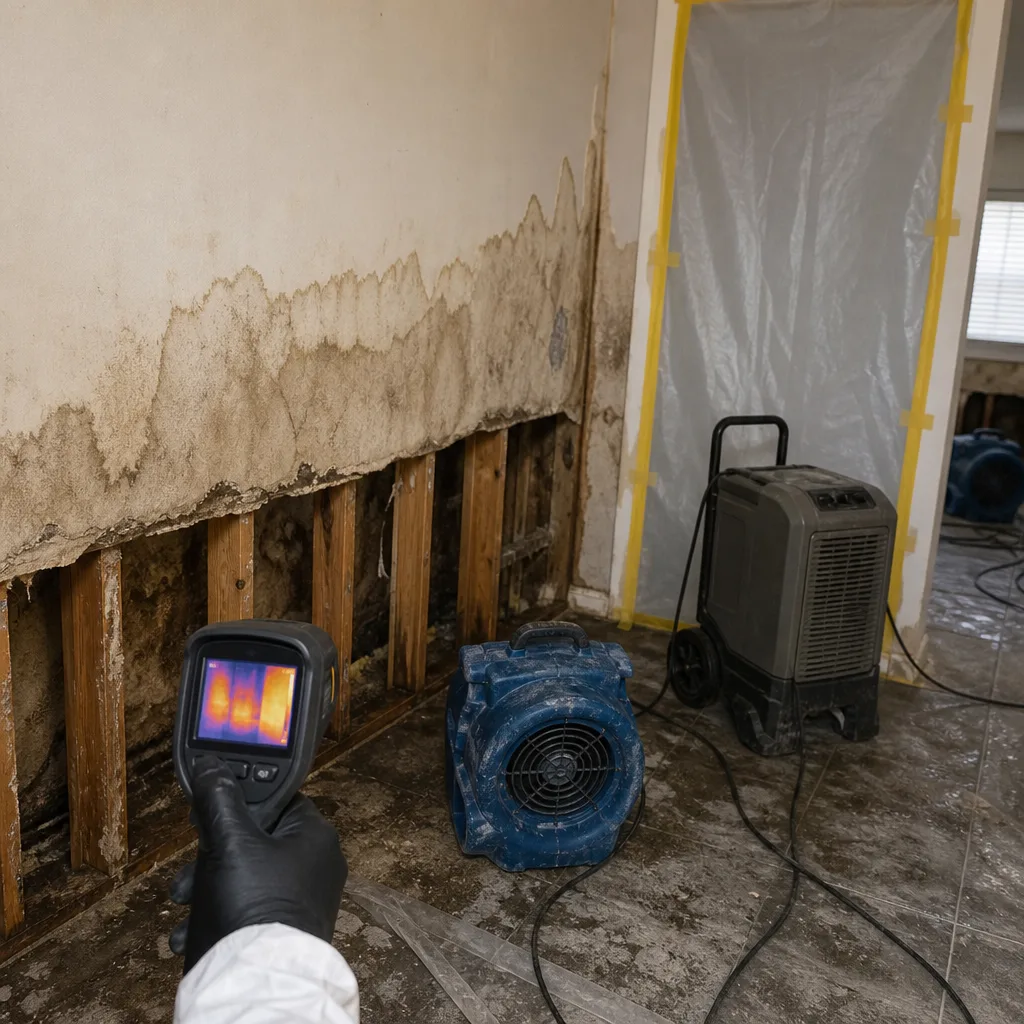 Before
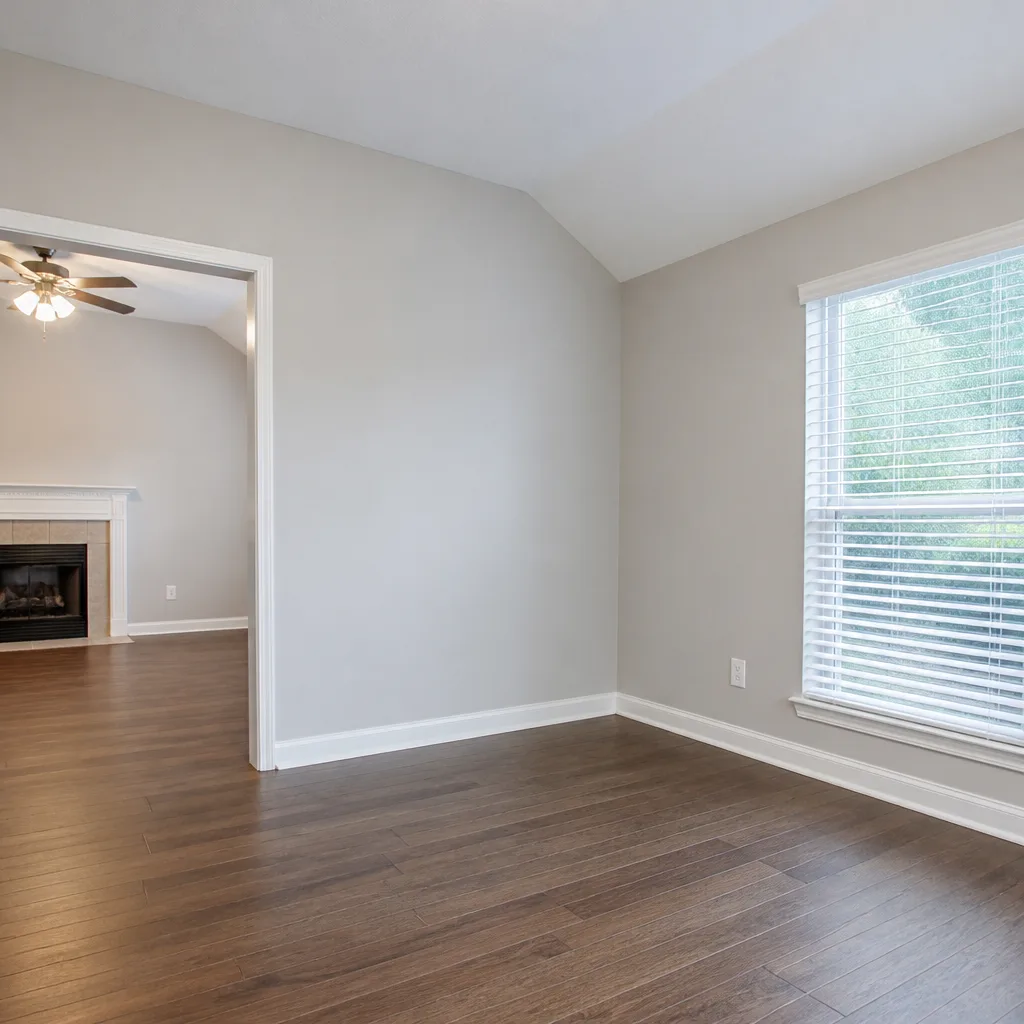 After
After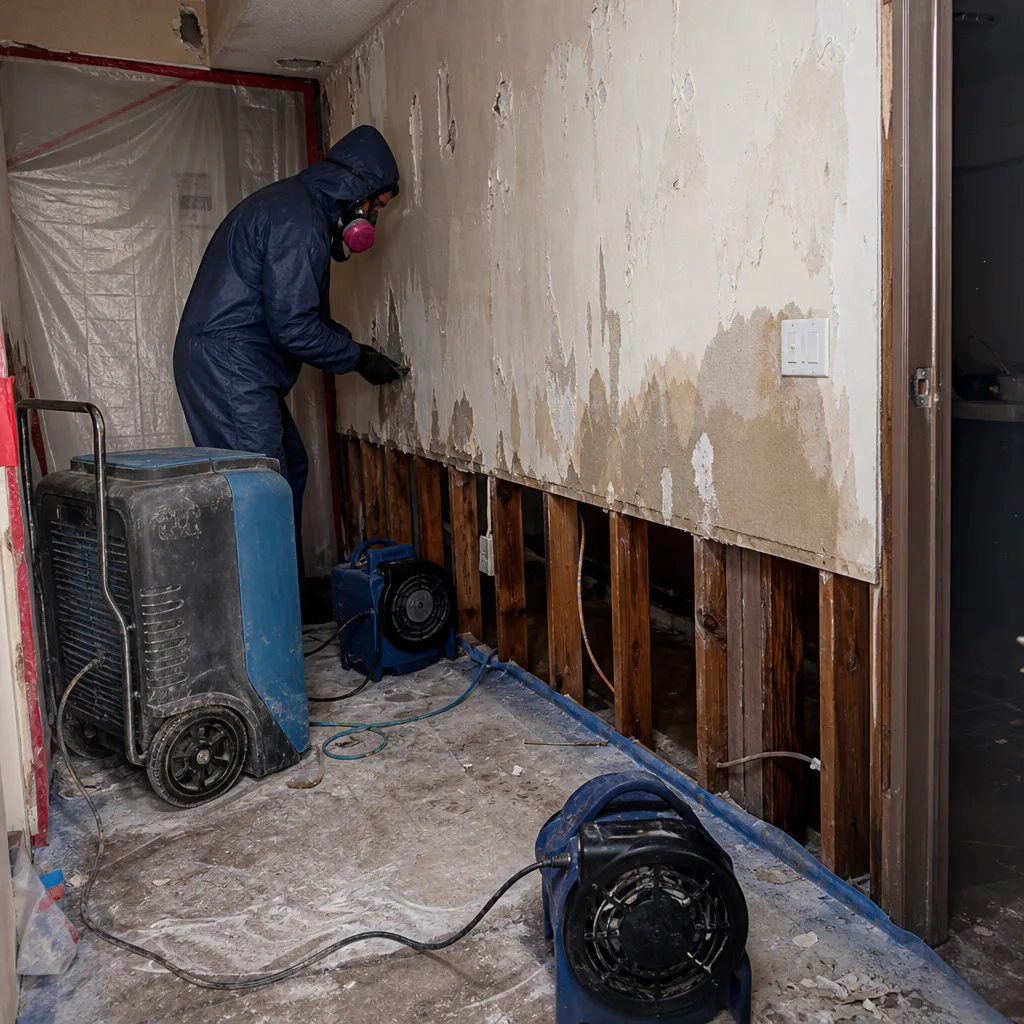 Before
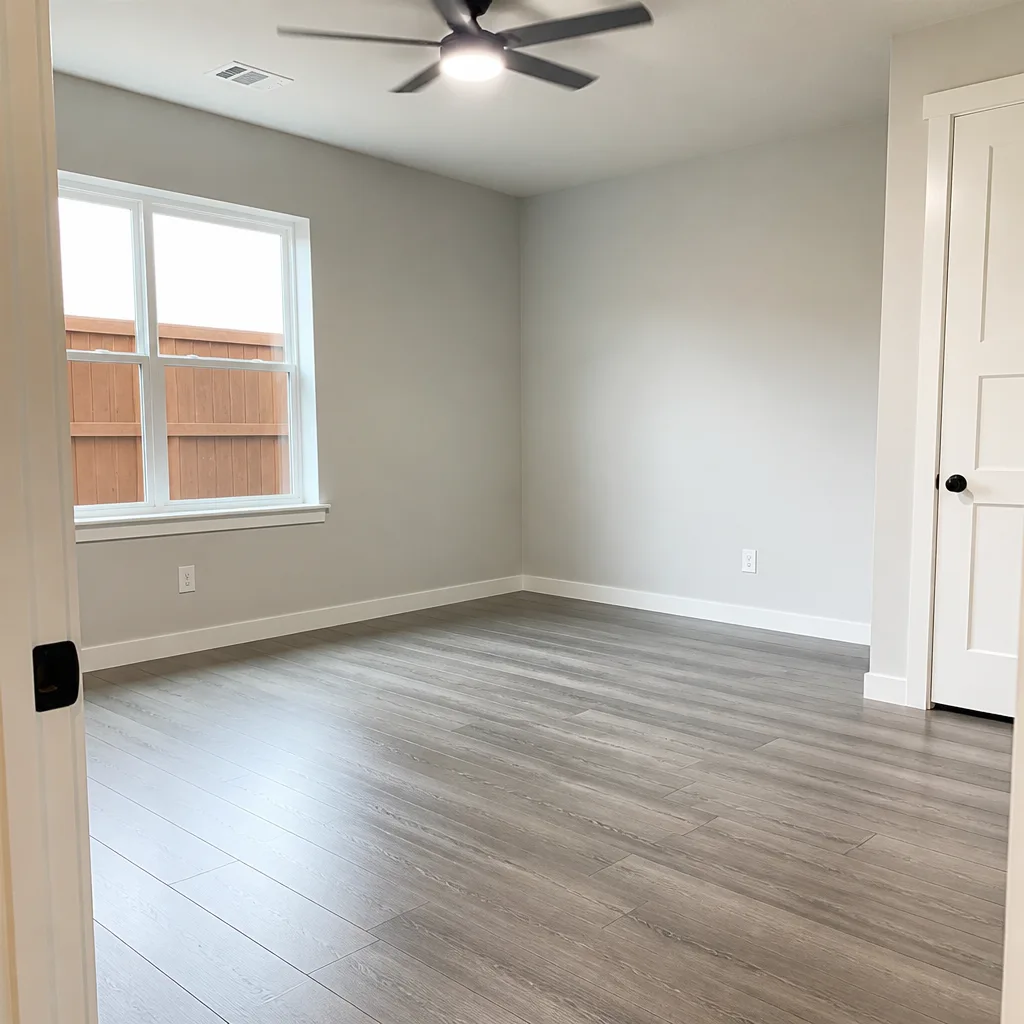 After
After