
 Water damage drying
 Fire & smoke cleanup
 Mold remediation
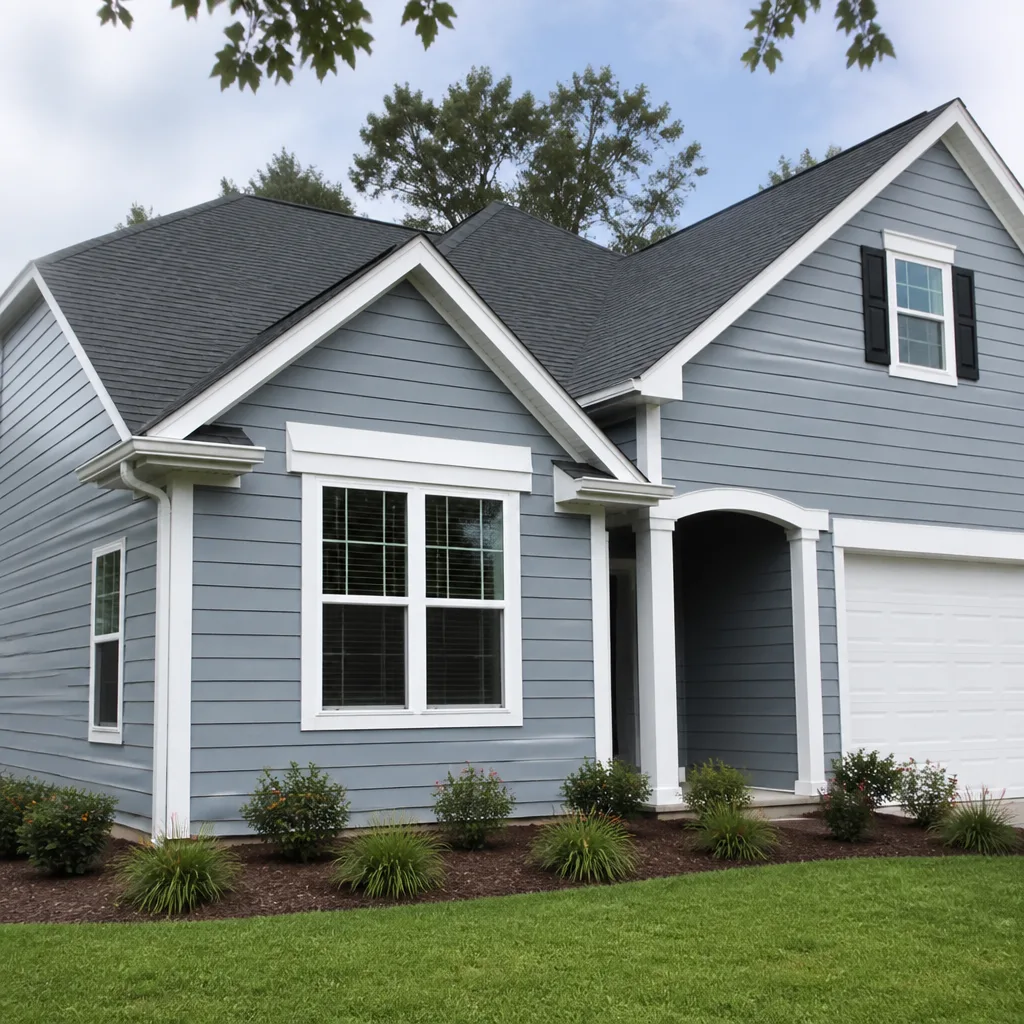 Storm response
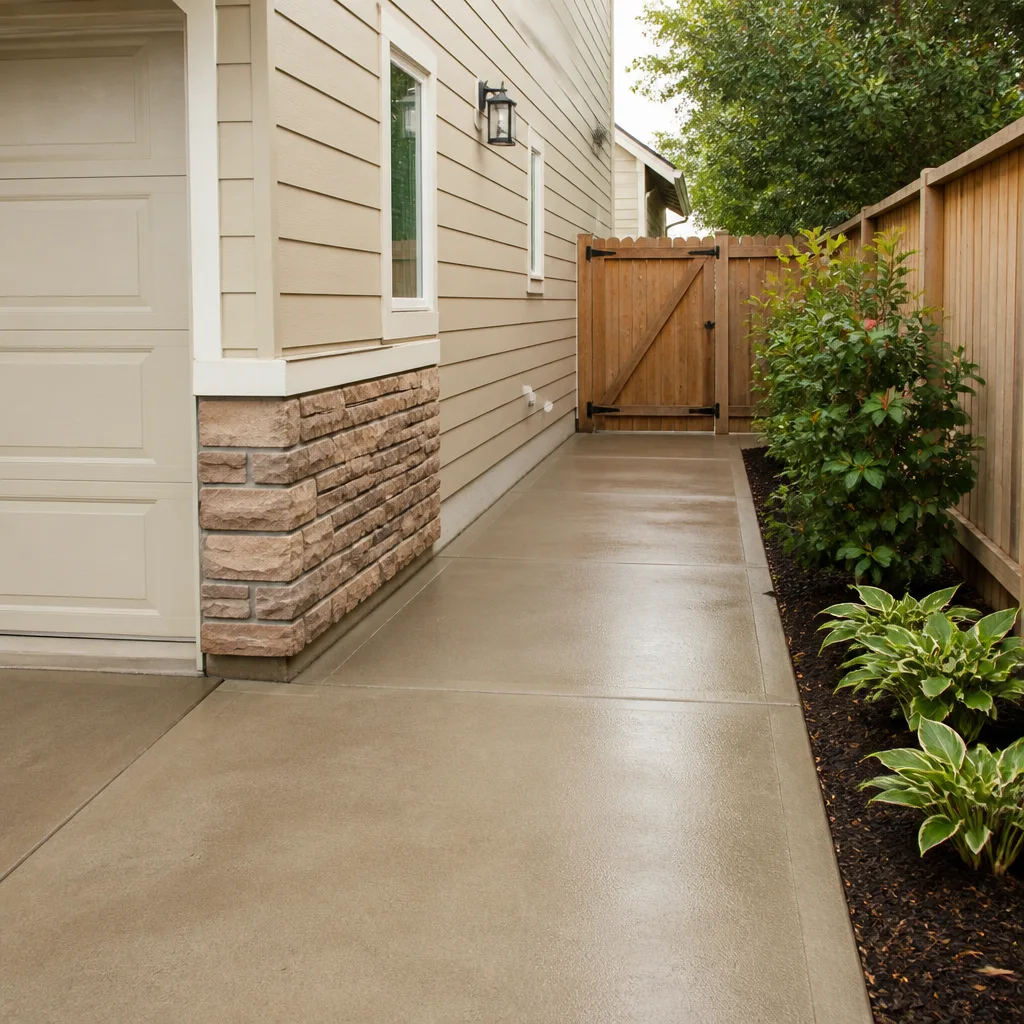 Sewage cleanup
 Reconstruction
Free visual inspection and a written scope of work before any mitigation begins - photos, moisture readings, and drying logs go in your claim file
The scope we write is the scope we bill. Anything new gets shown to you, in writing, before we touch it.
Get your free estimateFast, Reliable Water Damage Restoration Across Dallas
Water damage restoration in Dallas typically costs between $1,800 and $6,500 depending on how far the water traveled and whether it seeped beneath a slab foundation. Most jobs in Dallas need same-day water extraction because the clay soil under many homes holds moisture against the slab and pushes it back up through floor cracks. Our crews know Dallas neighborhoods like Lake Highlands, East Dallas, and the Tollway corridor well enough to give you a real arrival window, not a vague “sometime today.” Call (940) 468-1166 and a live person answers, 24 hours a day.
Why Dryden Restoration Dallas Is Dallas’s Preferred Water Damage Restoration Company
We’re an independently owned and operated Kingswell company, and we’ve built our reputation in Dallas on specific commitments, not vague assurances. Every customer gets a written price before any tool is touched. Every repair carries the 365-Day Done Right Promise in writing: if the repair fails within a full year, we come back and make it right at no charge. Homeowners in Dallas have told us this is what they care about most, because too many of them have been burned by a contractor who no-showed, a price that ballooned at the door, or a repair that failed weeks later.
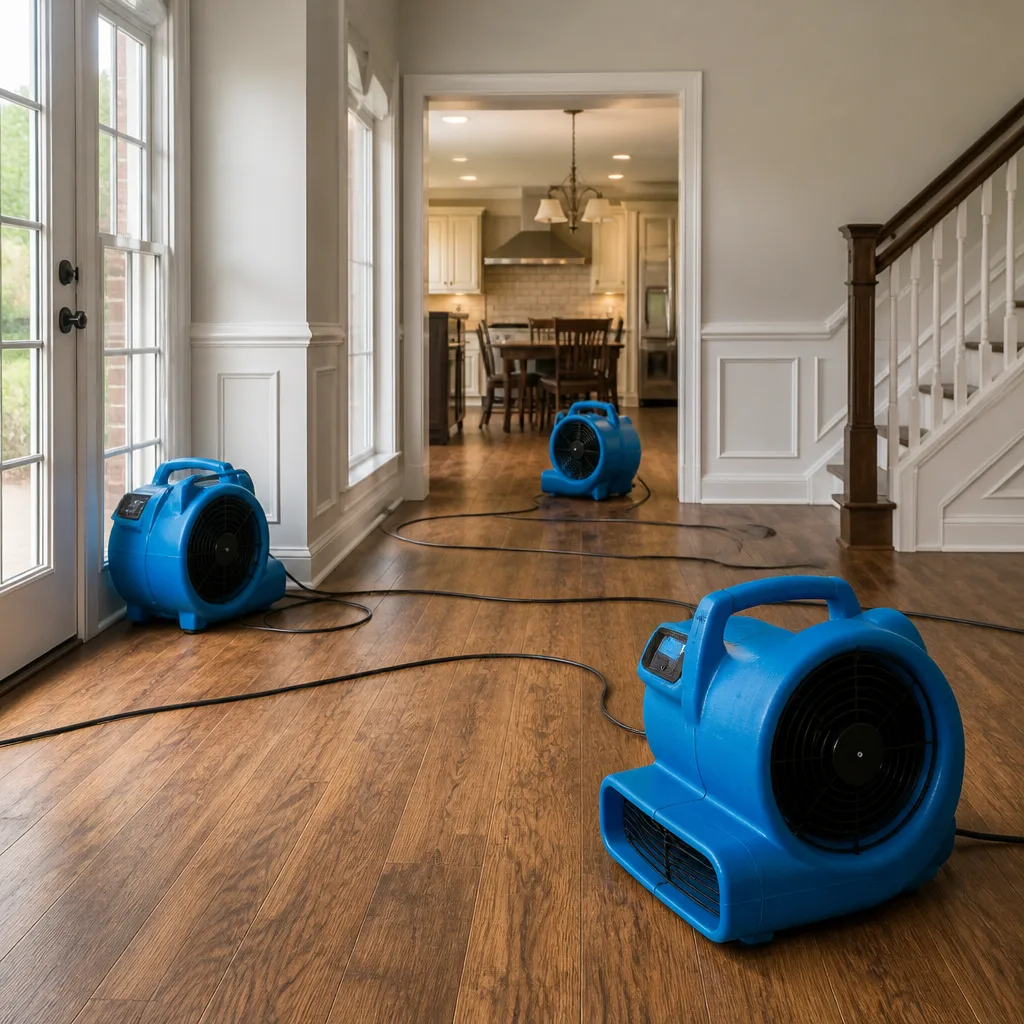
Our technicians are background-checked and arrive in Dryden uniform, so you know exactly who you’re letting into your home. We work to Water Damage Restoration standards set by the IICRC, RIA, and IFA, which means we document moisture levels daily, classify water properly, and don’t skip steps that show up as mold six months later. The equipment we run is the same professional-grade fleet used by large commercial crews: Dri-Eaz dehumidifiers, Phoenix axial fans, XPOWER air movers, B-Air units, and Injectidry floor mats for slab and hardwood drying. In a city where the clay soil changes how water behaves, the tools and the process matter equally.
Restoration work we handle
Water Extraction in Dallas
Water Extraction in Dallas almost always involves more than pulling water off carpet. Because so many Dallas homes sit on slab foundations over expansive clay soil, water from a burst supply line or appliance overflow gets between the slab and the flooring, then wicks upward through cracks and seams. We use moisture mapping to find water you can’t see, then run sub-slab extraction with Injectidry mats and high-volume extractors before the floor assembly swells or delaminates. A typical water extraction in a Dallas single-family home runs $900 to $2,800, depending on affected square footage and whether furniture and contents need pack-out.
Sub-Slab Extraction and Moisture Mapping
On slab-on-grade homes, we don’t guess. We map moisture across the entire floor with penetrating and non-penetrating meters, mark the affected perimeter, and extract from beneath the slab where water is trapped. This is the only way to know whether drying can save the flooring or whether demolition is required.
Contents and Furniture Handling
When water reaches a bedroom or living room, we move and document contents before extraction starts. Wet furniture goes to a drying area or gets evaluated on site. You get a written scope of what we moved, what we dried, and what we recommend replacing, before the drying phase begins.
Emergency Water Removal in Dallas
Emergency Water Removal in Dallas means getting a crew to your home fast enough to stop water from migrating into walls, baseboards, and the slab beneath your floors. In the hot, humid summer months, mold can establish in 48 to 72 hours after a water event, so extraction speed directly affects how much demolition you’ll need. Emergency water removal in Dallas typically runs $1,200 to $3,500 for the initial extraction and containment setup, with drying equipment billed separately based on the number of affected rooms and days on site. We answer the phone live at (940) 468-1166, 24 hours a day, 7 days a week.
After-Hours and Weekend Response
A slab leak discovered at 11 p.m. or a washing machine supply line that fails on a Saturday doesn’t wait for Monday. We dispatch crews to Dallas neighborhoods around the clock, and we give you a named arrival window before the technician leaves our shop. No call-back queue, no voicemail.
Containment and Category Classification
The first hour on site determines everything about the job. We test the water source and classify it: category 1 clean water, category 2 gray water, or category 3 contaminated water from sewage or ground flooding. In older clay-soil homes with failing cast-iron lines, getting this classification right means we don’t try to dry materials that should be removed.
Trusted Brands We Service in Dallas
Dallas homeowners run a wide range of equipment, and we stock parts for the brands we see most often in local homes: Wayne, Zoeller, Liberty Pumps, Generac, and RIDGID. Because we carry common sump pump, transfer pump, and backflow components on our trucks, we can often complete emergency water removal and replace a failed pump in the same visit. If your system uses a less common brand, we’ll source parts locally and give you a straight answer on lead time before we order anything.
See the difference
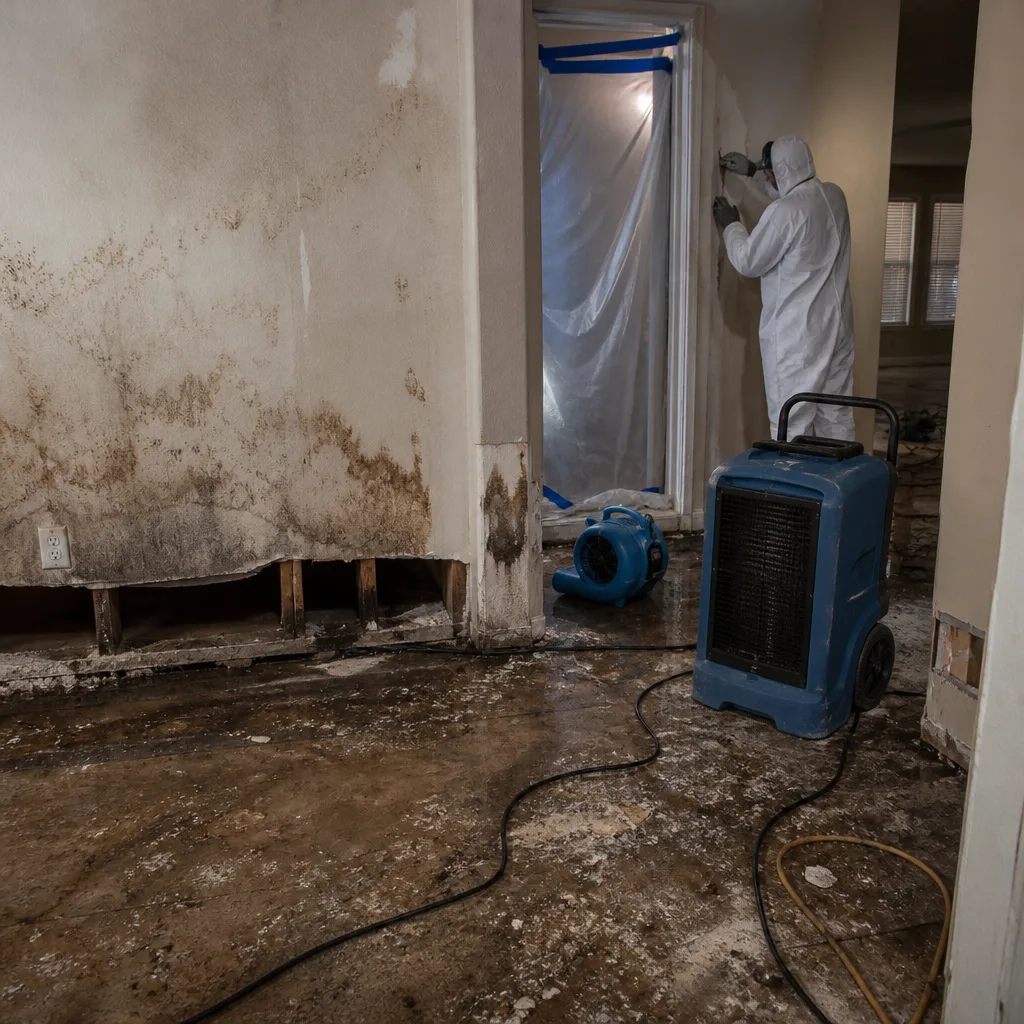 Before
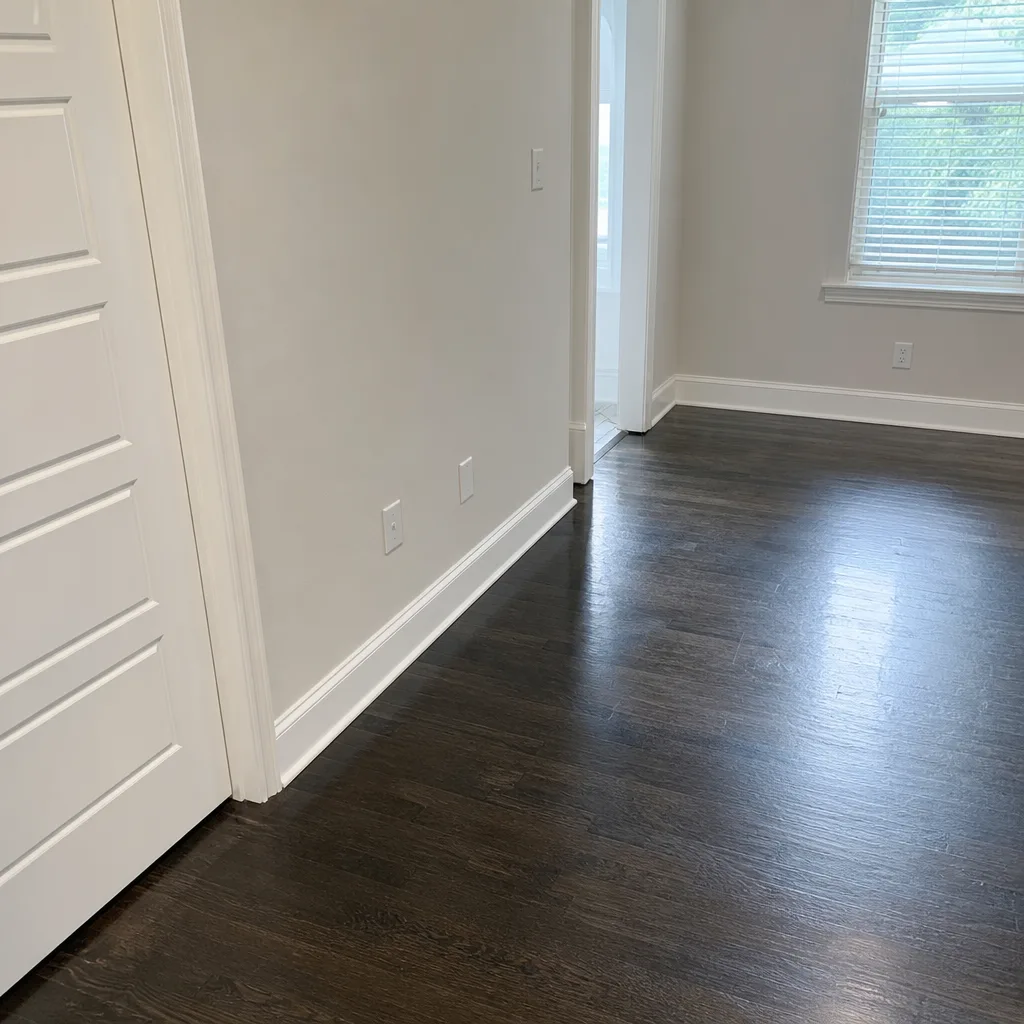 After
After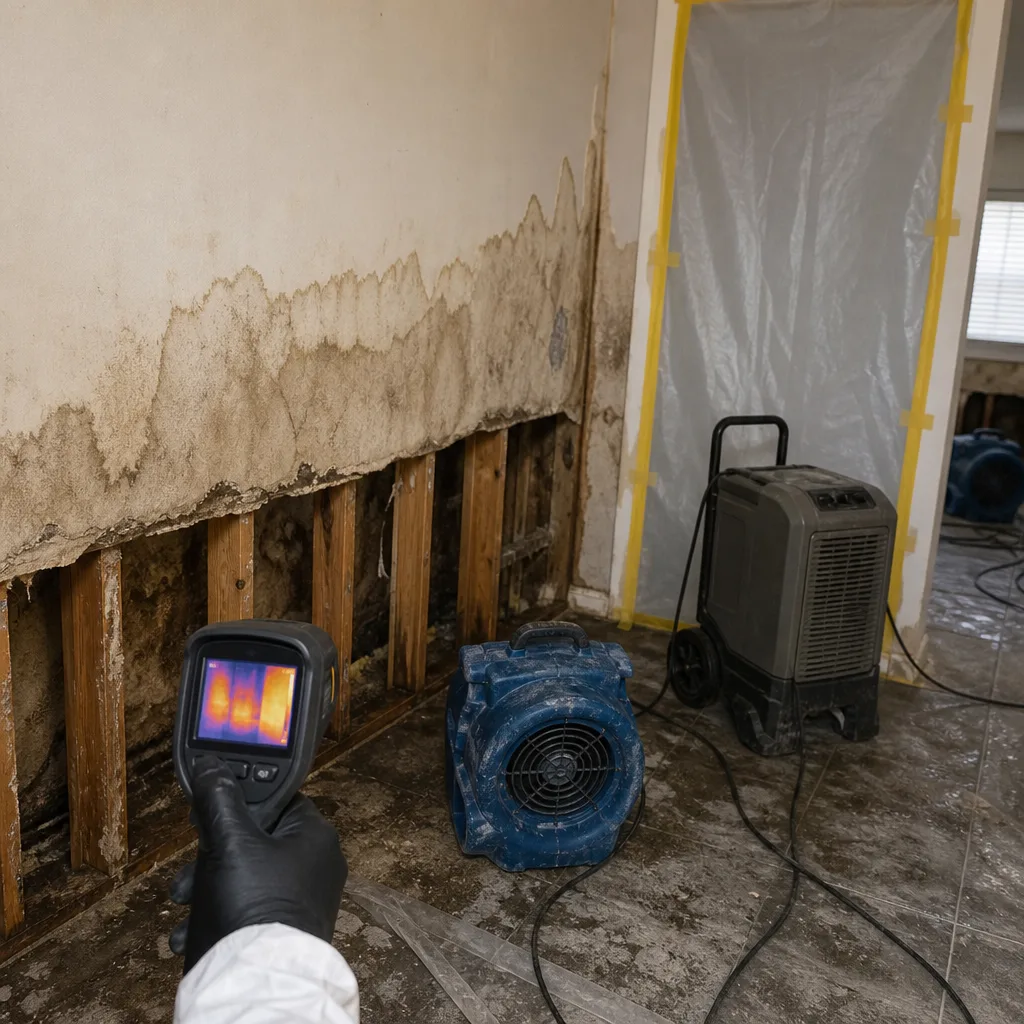 Before
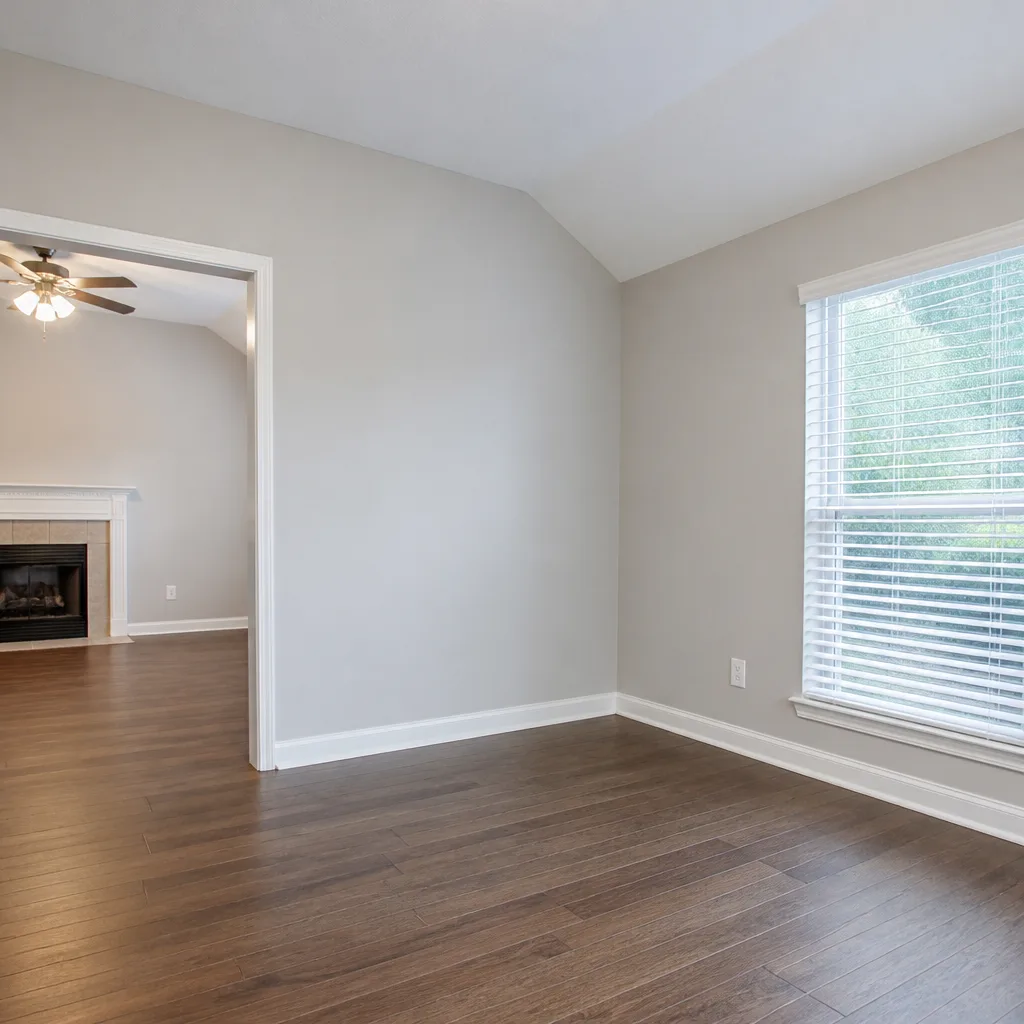 After
After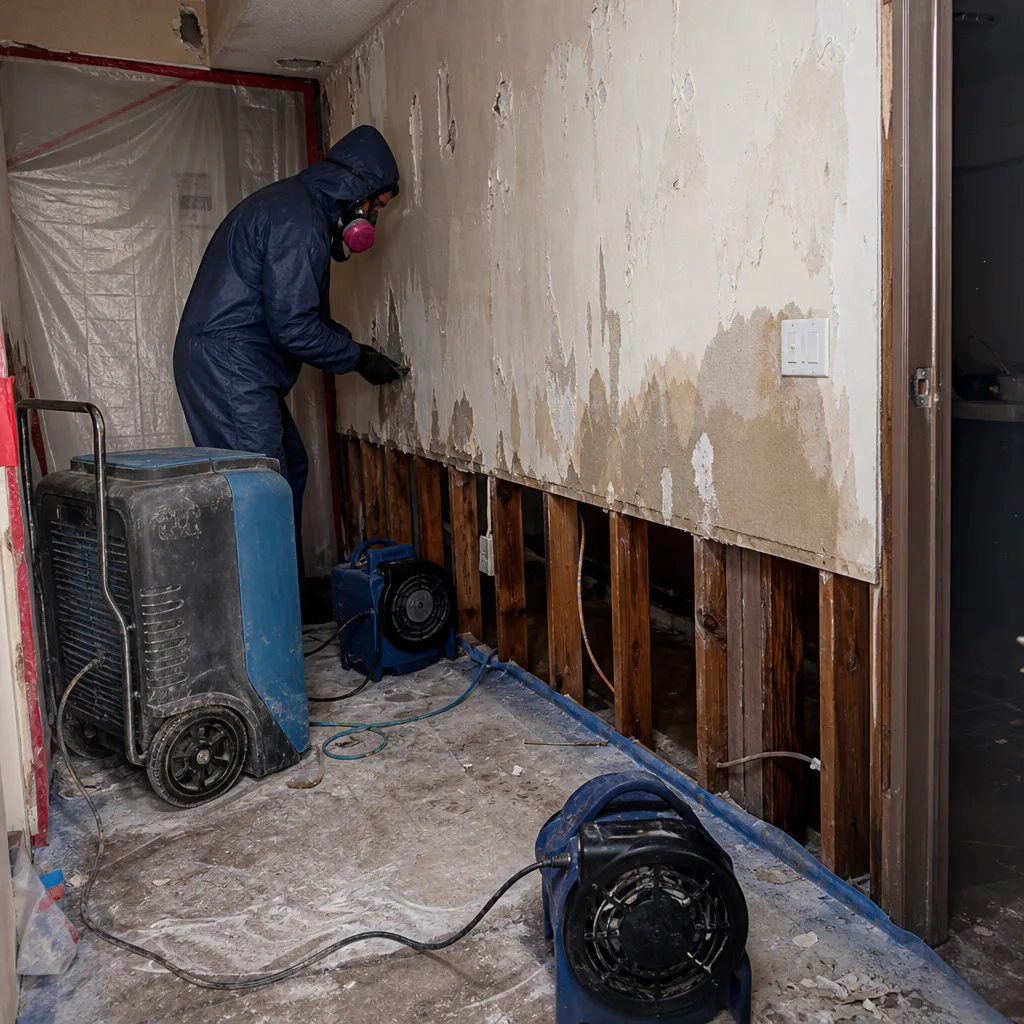 Before
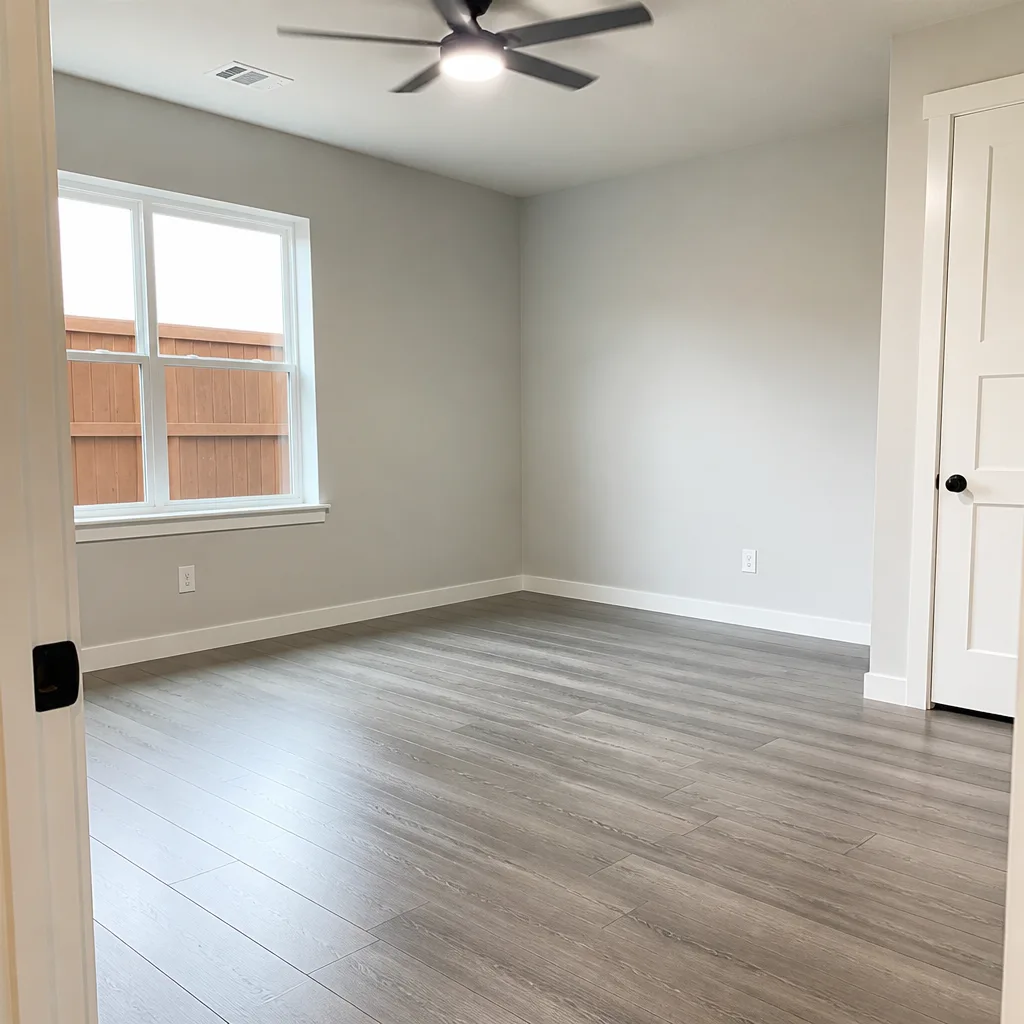 After
AfterCommon Water Damage Restoration Problems We See in Dallas Homes
- Slab foundation water trapping: Dallas’s post-1970s housing boom left tens of thousands of slab-on-grade homes over expansive clay soil, so a burst pipe or sewage backup often means water trapped beneath the slab and forced up through floor cracks, not just wet carpets.
- Cast-iron sewer line failures: In neighborhoods like Lake Highlands and East Dallas, heavy rains can cause cast-iron sewer lines under slab foundations to fail, leading to slow, hidden sewage backups that require full interior demolition. This problem is worsened by shifting clay soil.
- Moisture migration in attached units: In dense townhome and alley-load neighborhoods near downtown, water in one unit travels through shared walls if containment isn’t set properly. We set containment on day one, not day three.
- Roof and ceiling leaks from severe weather: Dallas thunderstorms bring large hail and intense downpours that breach roofs and flash-flood low-lying areas, sending water into ceilings, walls, and floors. The hot, humid summers that follow accelerate mold and mildew growth.
Pricing for Water Damage Restoration in Dallas, TX
Water damage restoration in Dallas runs $1,800 to $6,500 for most single-family homes, but that range reflects the wide difference between a contained bathroom overflow and a sewage backup that requires sub-slab extraction and full interior demolition. Water extraction alone typically costs $900 to $2,800. Emergency water removal with containment runs $1,200 to $3,500. Structural drying, including dehumidifiers and air movers, adds $400 to $1,200 per affected room depending on days on site. These are honest Dallas market numbers, and we give you a written price before any work starts, not an estimate that changes at the door.
We Also Serve Cities Near Dallas
Our Dallas crews regularly respond to homes in Mesquite, Hutchins, Carrollton, and Coppell, where slab foundations and clay soil create the same sub-slab water challenges. If you’re just outside Dallas, call (940) 468-1166 and we’ll confirm our next available arrival window for your area.
Serving Dallas, TX - Our Local Coverage Area
We’re based in the Dallas area and know this community well. Use the map below to see our service coverage - if you’re nearby, we can almost certainly help.
FAQs About Water Damage Restoration in Dallas
Dallas’s expansive clay soil holds water against the underside of the slab, so after a slab leak, water doesn’t just run to a low point, it gets trapped beneath the slab and forced up through floor cracks and seams. We use moisture mapping to find that hidden water, then run sub-slab extraction with Injectidry mats before the flooring assembly swells or delaminates. The drying process on a slab home takes longer than on a pier-and-beam home because the slab itself holds moisture against the flooring from below. Call (940) 468-1166 for a free assessment of your specific situation.
Category 3 water is grossly contaminated and carries sewage, bacteria, and other pathogens, which means porous materials like carpet, pad, drywall, and insulation that touched it must be removed, not dried. In an East Dallas home with a failing cast-iron line, the sewage often travels far beneath the slab before surfacing, so we pack out affected contents, set containment, and demo affected materials before drying begins. Hard, non-porous surfaces can be cleaned and dried, but we document everything so you and your adjuster can see exactly what was removed and why.
Sometimes, but only if we catch the water fast enough and the flooring material responds to drying. We use moisture mapping to find the affected perimeter, then run Injectidry mats and extraction equipment to pull water from beneath the slab before flooring swells, delaminates, or develops mold. If the water sat for days or the flooring is already warping, demolition is usually the cheaper long-term answer, because a repair that fails in six months costs more than doing it right the first time. We’ll give you a straight recommendation in writing before any work starts.
In Dallas’s hot, humid summers, mold can establish within 48 to 72 hours after a water event, so extraction should start the same day you discover the water. The faster the water comes out, the less demolition you’ll need and the less risk of mold growth in walls, baseboards, and beneath your slab. We answer the phone live 24 hours a day at (940) 468-1166, and we give you a named arrival window, not “sometime tomorrow.”
We set containment between units on day one, before drying equipment goes in, so moisture and mold can’t migrate through shared drywall into your neighbor’s home. We use negative air pressure and barriers at the shared wall, and we monitor the drying environment daily with moisture readings logged for both your unit and the affected boundary. If your neighbor’s unit shows elevated moisture, we document it and coordinate with your HOA or property manager so the problem doesn’t become a dispute later.
Call (940) 468-1166 for a free estimate. A live person answers, we schedule a named arrival window, and you get a written price before any work starts. If we can’t fix it right the first time, the 365-Day Done Right Promise means we come back and make it right, at no charge, in writing.
Written by Carl Brandt, Owner at Dryden Restoration Dallas, serving Dallas homeowners with water damage restoration, mold remediation, and fire damage restoration since 2005.