
Last updated October 16, 2026
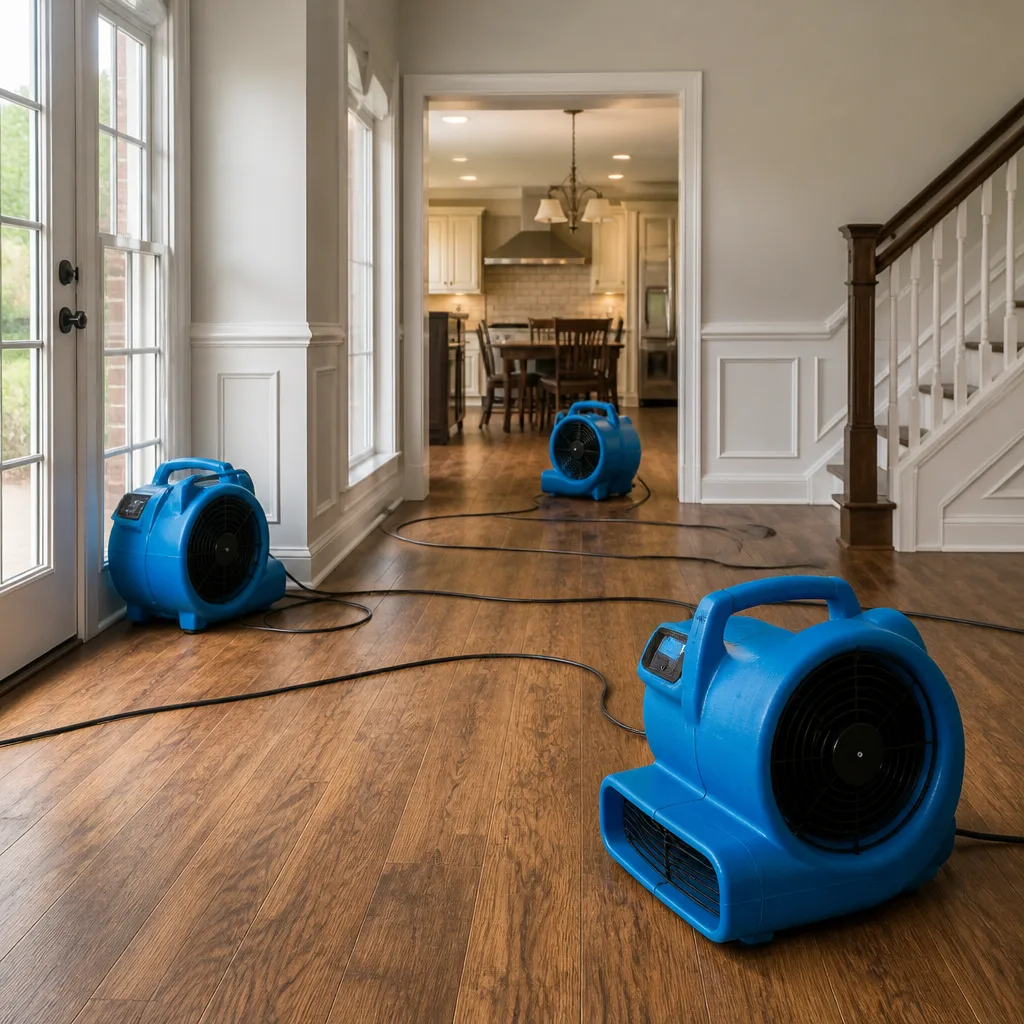 Water damage drying
 Fire & smoke cleanup
 Mold remediation
 Storm response
 Sewage cleanup
 Reconstruction
Free visual inspection and a written scope of work before any mitigation begins - photos, moisture readings, and drying logs go in your claim file
The scope we write is the scope we bill. Anything new gets shown to you, in writing, before we touch it.
Get your free estimateThe Complete Guide to Damage Restoration in Dallas
Dallas ranks in the top 10 U.S. cities for foundation claims, and a shifting slab can quietly crack supply lines inside walls for months before a homeowner sees a single wet spot. By the time that first stain appears, the meter has already been running: warped framing, soaked insulation, and the early stages of what Dallas humidity turns into mold. Most homeowners never connect those three dots until the bill arrives. This guide walks through every major damage type we deal with in Dallas, what each one costs, how the local climate changes the timeline, and what a legitimate restoration process should look like from first call to final walkthrough.
Quick Answer
Damage restoration in Dallas typically means water, mold, or fire recovery, and the cost you face depends on how fast you respond and which category of water you’re dealing with. A contained Category 1 water loss like a supply line leak usually runs $1,200 to $3,500, while a Category 3 sewage event commonly lands between $8,000 and $25,000 or more. The single most important factor in Dallas specifically is response speed: with our summer humidity, mold colonization can begin within 48 hours, which is faster than in most drier U.S. markets. Call Dryden Restoration Dallas home at (940) 468-1166 for a written estimate, or keep reading to understand the full picture before you call.
Restoration work we handle
Table of Contents
- Three Dallas Hazards That Compound Each Other
- Water Categories: What Insurers Use, What They Mean for You
- What Water Damage Restoration Costs in Dallas
- Mold Remediation in Dallas: Humidity Changes the Math
- Fire Damage Restoration: The Overlooked Water Problem
- How to Read a Scope of Work Before You Sign
- What Professional Drying Actually Means
- Navigating Insurance: Photo Documentation and Adjuster Coordination
Three Dallas Hazards That Compound Each Other
Most national damage restoration guides treat a roof leak, a foundation crack, and a bathroom mold problem as three separate issues. In Dallas, that framing misses the point. We have expansive clay soil, and when it swings between wet and dry seasons, it moves. That movement stresses foundations and every pipe running through them. A slab shift cracks a copper supply line behind a wall. The leak soaks the surrounding framing and drywall. Then a Dallas summer pushes indoor relative humidity (RH, the amount of moisture in the air compared to what it can hold) past 60 percent, and dormant mold spores on that wet drywall have everything they need. What started as a foundation issue becomes a water damage claim becomes a mold remediation project. The three hazards feed one another, and the guide below maps each one to the fix that actually works here.
Homeowners in neighborhoods from Lake Highlands to Oak Cliff tell us the same story: they noticed a musty smell, or a baseboard pulling away, months before they saw standing water. In our experience, by the time water is visible, the hidden damage is at least twice the area you can see. That’s not a scare tactic. It’s what slab construction and clay soil do in North Texas.
Water Categories: What Insurers Use, What They Mean for You
The restoration industry and your insurance company both classify water damage into three categories. Understanding them helps you know how urgent your situation actually is and whether the drying process will take two days or two weeks. Here’s the plain-English breakdown:
- Category 1 – Clean water: Water from a supply line, a faucet, a water heater tank, or rainwater before it touches anything dirty. This is the easiest and cheapest to dry. In Dallas, a contained Category 1 loss on a slab from a pinhole leak in a copper line usually dries in 2 to 4 days with professional equipment.
- Category 2 – Gray water: Water with some contamination: washing machine overflow, dishwasher discharge, or clean water that sat for more than 24 hours. Drying takes longer because affected materials like carpet pad often need removal, not just drying.
- Category 3 – Black water: Sewage backup, toilet overflow beyond the bowl, or floodwater from outside. This water carries bacteria and pathogens. Carpet, pad, baseboards, and sometimes drywall need removal and disposal, not drying. In Dallas summers, a Category 3 loss starts growing mold faster than most people expect.
Here’s the part most homeowners don’t hear: a Category 1 loss that goes unaddressed for 48 hours becomes a Category 2 situation. The water itself degrades as it sits. Fast response isn’t a sales line in this business. It’s the single biggest lever on what you’ll pay and how much of your house has to come out.
What Water Damage Restoration Costs in Dallas
Every house is different, but Dallas homeowners constantly ask us for real numbers, so here they are. These are ranges we see in this market, not national averages that don’t account for slab foundations and Texas humidity:
| Damage Type | Typical Dallas Range | What’s Included |
|---|---|---|
| Contained Category 1 water loss (supply line, water heater) | $1,200 – $3,500 | Extraction, drying equipment, monitoring, minor repairs |
| Category 2 loss with carpet/pad removal | $4,000 – $8,000 | Removal, drying, reinstallation, baseboard work |
| Category 3 sewer backup | $8,000 – $25,000+ | Containment, disposal, sanitizing, drying, reconstruction |
| Full gut-and-rebuild from a flood | $25,000 – $60,000+ | Demo, framing, electrical, drywall, finish work |
| Mold remediation (contained, 100 sq ft) | $1,800 – $4,500 | Containment, HEPA removal, sanitizing, clearance testing |
| Mold remediation (widespread, 300+ sq ft) | $8,000 – $20,000+ | Full containment, structural work, post-remediation verification |
| Fire damage (smoke cleanup, no structural rebuild) | $5,000 – $15,000 | Soot removal, ozone/thermal fogging, content cleaning |
| Fire damage (structural rebuild required) | $30,000 – $100,000+ | Demo, framing, utilities, drywall, paint, full finish |
One note on these Dallas-specific ranges: slab construction means water doesn’t drain down into a basement or crawlspace like it does in Northern or Eastern markets. It moves laterally through the slab, soaking everything in its path at floor level. That’s why Dallas water losses often involve more linear feet of baseboard and drywall than a similar event in a house with a basement. If you’re facing any of these, call us at (940) 468-1166 and we’ll put a written price in front of you before any equipment comes off the truck. No games, no door-knocker markup.
Mold Remediation in Dallas: Humidity Changes the Math
Mold is a numbers game, and Dallas’s numbers are stacked against homeowners. The rule of thumb in the restoration industry holds that mold colonization can begin within 24 to 48 hours of water exposure. In Dallas, with our June through September indoor RH regularly above 60 percent in unconditioned spaces, the 24-hour end of that window is the realistic one. We have walked into homes 30 hours after a water heater failure and found visible mold on baseboards. That doesn’t happen in Phoenix. It happens here routinely.
Remediation in Dallas therefore leans on two things: speed of initial response and the quality of the containment engineering once mold is present. The process our crew follows, aligned with IICRC standards for mold remediation, goes like this:
- Assessment: We identify the water source, map the affected area, and measure airborne spore counts if needed. No demolition begins without the source being stopped.
- Containment: Affected rooms are sealed with plastic sheeting and kept under negative air pressure so spores don’t spread to the rest of the house during removal.
- Removal: Mold-affected porous materials, like drywall and carpet pad, are cut out and bagged for disposal. Non-porous surfaces are HEPA-vacuumed and sanitized.
- Drying: The exposed structure is dried to a strict moisture content target, not a visual guess. We use Injectidry systems and other professional drying equipment to hit those targets in wall cavities, not just on visible surfaces.
- Clearance: Before we call the job done, the area is re-tested or visually verified by a third party, depending on what the situation calls for.
Here’s the honest reality in Dallas: if you had a leak and smell something musty, you probably already have mold, even if you can’t see it. Our Mold Remediation in Dallas service starts with an honest assessment, not a scare speech. Some situations genuinely need full remediation. Some need targeted cleaning and a humidity correction. We’ll tell you which one you’re looking at, in writing, before any work starts.
Fire Damage Restoration: The Overlooked Water Problem
When a fire happens in a Dallas home, the visible damage is smoke and soot and charred framing. The less visible damage is water. Fire suppression systems and fire department hoses dump hundreds of gallons into a structure, and that water sits and soaks while the smoke is still clearing. In Dallas summer conditions, that means a fire followed by firefighting water creates a mold window almost immediately.
Fire restoration in Dallas therefore always runs on two parallel tracks. First, smoke and soot removal: thermal fogging to neutralize odors, HEPA vacuuming for soot on surfaces, content cleaning for what can be saved. Second, water extraction and drying for everything the hoses soaked. Skip the second track and you’ll have a freshly repainted house that starts smelling like a locker room by September. Our Fire Damage Restoration in Dallas process always addresses both, and we document everything photographically for your insurance claim from the first day.
What does it cost? Smoke and soot cleanup without structural rebuild typically runs $5,000 to $15,000 in Dallas. If framing, electrical, and drywall need reconstruction, the range expands significantly to $30,000 to $100,000 or more, depending on the home’s size and finish level. Those numbers are why we always recommend a written scope before any demolition begins.
How to Read a Scope of Work Before You Sign
A scope of work is the document that defines exactly what a restoration contractor will do, what it costs, and what it doesn’t include. Most homeowners skim it and sign. That’s how door-to-door price changes happen. Here’s what to look for in every line item, with the specific Dallas questions to ask:
- Moisture mapping documentation: Does the scope include specific room-by-room moisture readings before and after drying? If not, you’re signing up for a visual guess. Ask for a written moisture map with numbers, not a phrase like “dried to standard.”
- Drying equipment list with quantities: How many air movers? How many dehumidifiers? What brands? Professional-grade equipment from manufacturers like Dri-Eaz and Phoenix has measurable performance specs. A scope that says “drying equipment as needed” tells you nothing.
- Category classification: Does the scope state which category of water you’re dealing with? That classification drives everything: what gets removed, what gets dried, and what the job costs. If it’s missing, ask why.
- Rebuild vs. remediation split: In Dallas especially, many restoration jobs end with reconstruction: drywall, paint, trim, flooring. Is that rebuild clearly separated from the drying/remediation portion? Is it priced line by line? If it says “TBD,” push back.
- Guarantee terms in writing: What happens if the repair fails in six months? Who’s responsible? We put our 365-Day Done Right Promise on every job, meaning if a covered repair fails within a year, we come back free. If a contractor won’t put something similar in writing, that’s a data point.
Carl Brandt, who leads our team at Dryden Restoration Dallas, reviews every scope before it reaches a homeowner. Not because he doesn’t trust the crews, but because a scope you can’t understand is a quote you can’t hold anyone to.
What Professional Drying Actually Means
Psychrometric drying is the science of removing moisture from a structure by controlling temperature, humidity, and airflow in combination. That word scares people off. Here’s the plain-English version: professional drying is not just pointing fans at a wet floor. It’s measuring the moisture content of the air and the materials, calculating how much water needs to leave the space, and then deploying the right amount of air movement and dehumidification to move that water out without warping your wood floors or cracking your drywall.
RIA (Restoration Industry Association) standards and IFA (Institute of Inspection, Cleaning and Restoration Certification partner organizations) establish the benchmarks professionals use. Equipment matters. The air movers and dehumidifiers we run, including Dri-Eaz and Phoenix units, are not the same machines you rent from a big-box hardware store. They move three to six times more air, and their dehumidification capacity is measured in gallons per day, not pints.
What does that difference mean for your Dallas home? A pro-grade drying job on a contained loss typically wraps in 2 to 4 days, compared to a week or more with home-store equipment, which often just recirculates humid air. That shorter window matters in Dallas: every extra day of elevated moisture is another 24 hours for mold to find a foothold.
Navigating Insurance: Photo Documentation and Adjuster Coordination
Almost every restoration job has an insurance component, even when nobody says it out loud. Your adjuster will ask for documentation. A legitimate restoration contractor provides photo and moisture documentation from day one: before photos, during-photos, after-photos, and room-by-room moisture readings. That documentation is what separates a smooth claim from a months-long fight over scope.
We coordinate directly with adjusters and send documentation in the formats they actually request. You shouldn’t have to translate restoration industry terms into insurance-speak on your own. That coordination is part of what you’re paying for, and it matters especially in Dallas, where slab foundation water losses often get scrutinized harder because the water path is less visible than in a basement house.
Our Water Damage Restoration in Dallas service includes direct insurance billing documentation, written scopes, and a clear line of communication with your adjuster. If your policy covers the work, we’ll help you prove it. If it doesn’t, we’ll tell you that before you’ve spent money you can’t get back.
Common Mistakes to Avoid
- Waiting to see if it dries on its own. In Dallas humidity, nothing dries on its own. Every day of delay moves you closer to a Category 2 situation and mold. Call the moment you see water.
- Hiring the first door-knocker after a storm. Post-storm Dallas neighborhoods get canvassed by out-of-town crews with no local accountability. Ask where the company is based and whether they have Dallas references.
- Signing a contract without a written scope. Verbal estimates are worthless for restoration work. Get the scope in writing with specific line items and prices before any tool touches your house.
- Ignoring the water source. Drying a room without fixing the pipe or foundation crack that caused the leak means you’ll be drying the same room again next season.
- Using consumer dehumidifiers for a Category 1 loss. Big-box dehumidifiers pull a pint a day. Pro-grade units pull gallons. The difference in drying time is the difference between a 3-day job and a mold problem.
- Painting over water stains. A fresh coat of paint doesn’t stop what’s happening inside the wall cavity. If the stain came from a leak, address the leak and the moisture behind the drywall first.
- Not asking about warranty terms before work starts. A contractor who won’t put a guarantee in writing is telling you something about how they’ll handle problems after the check clears. Listen to that.
See the difference
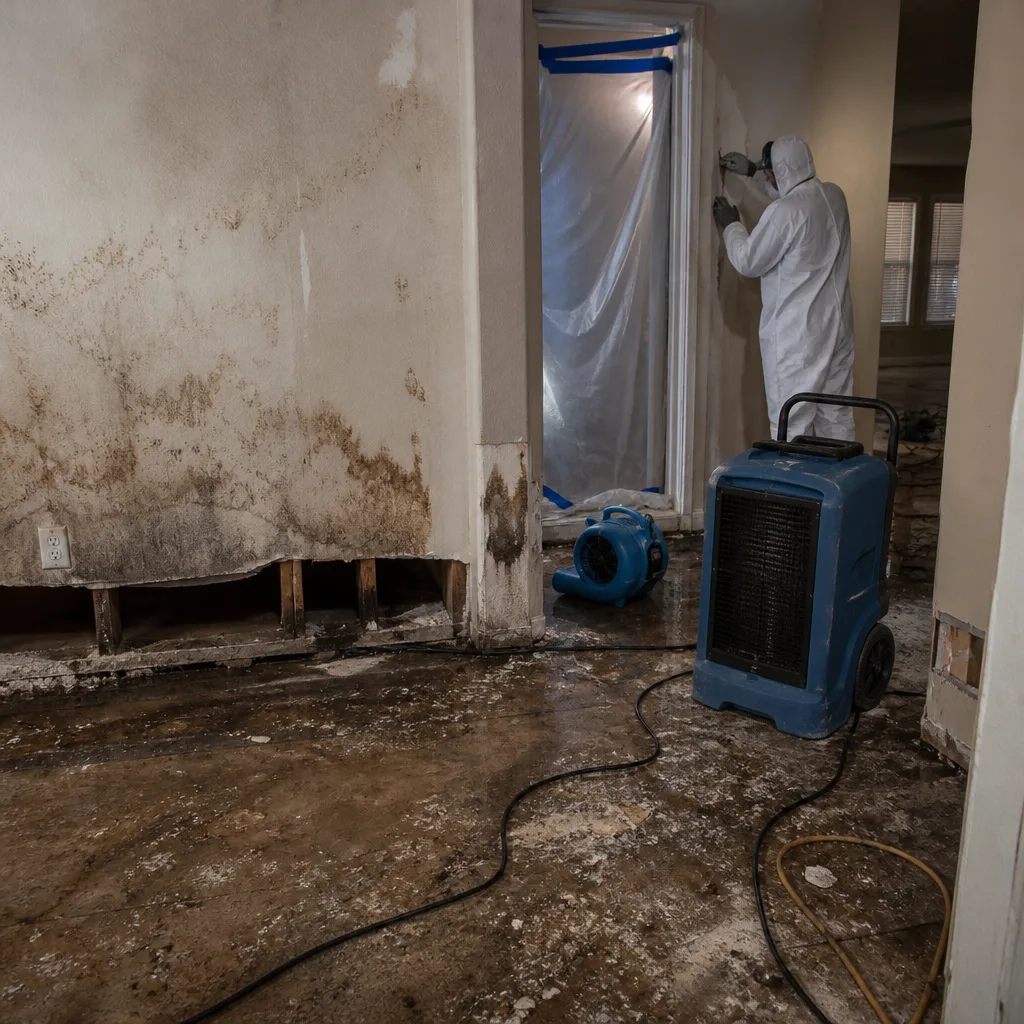 Before
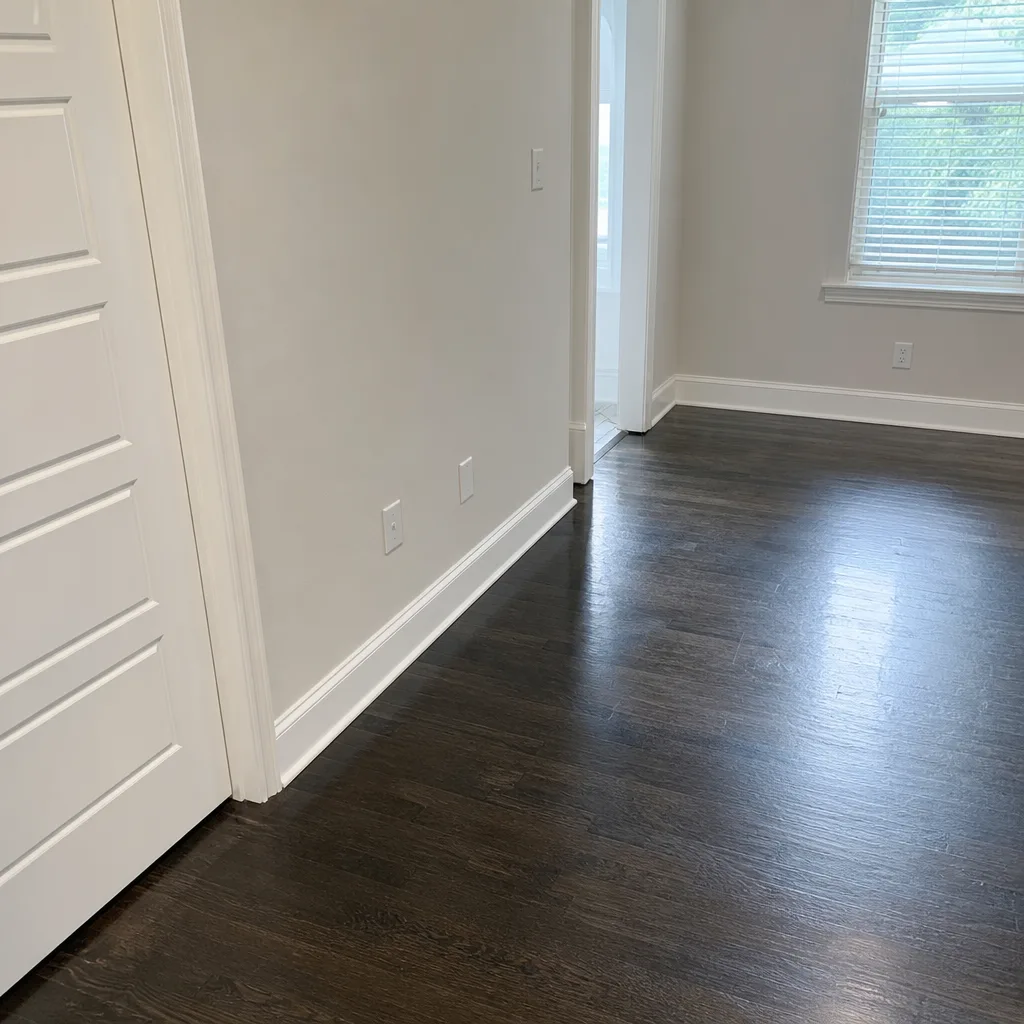 After
After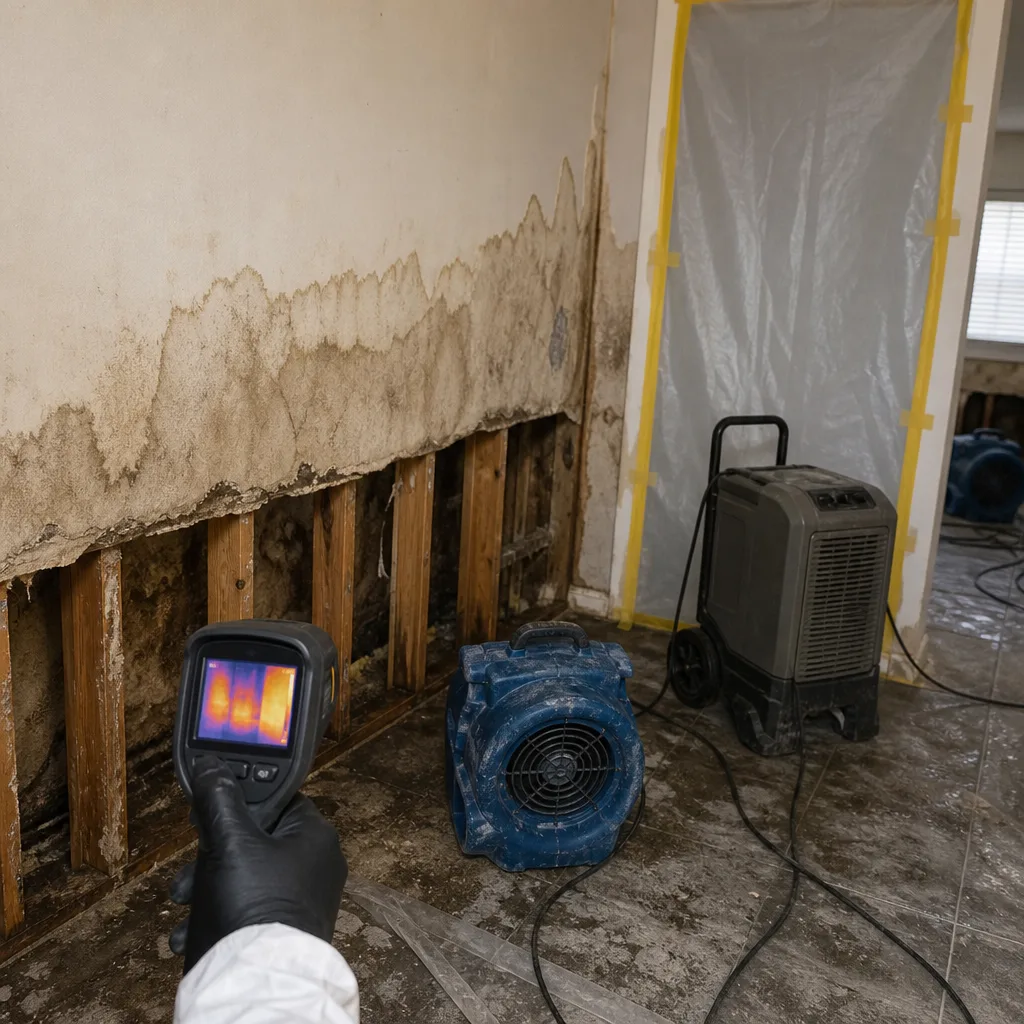 Before
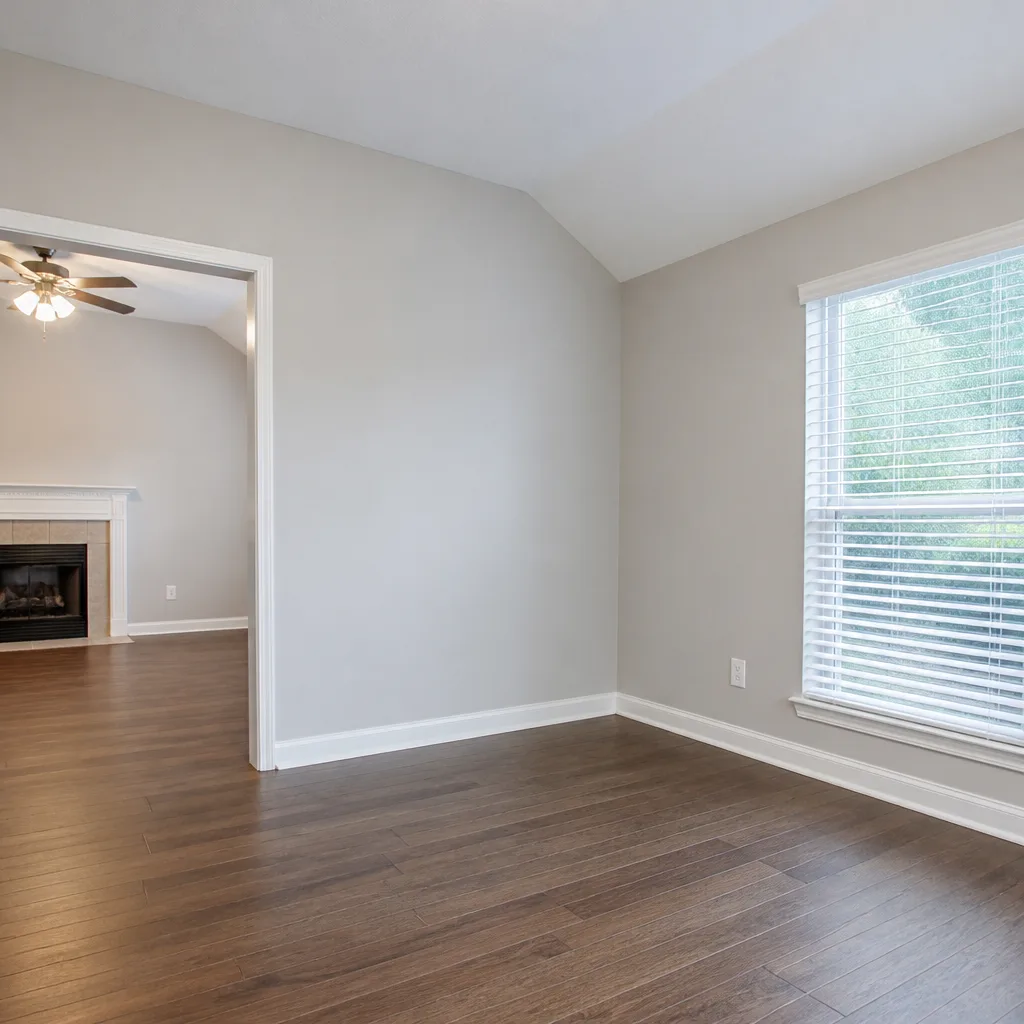 After
After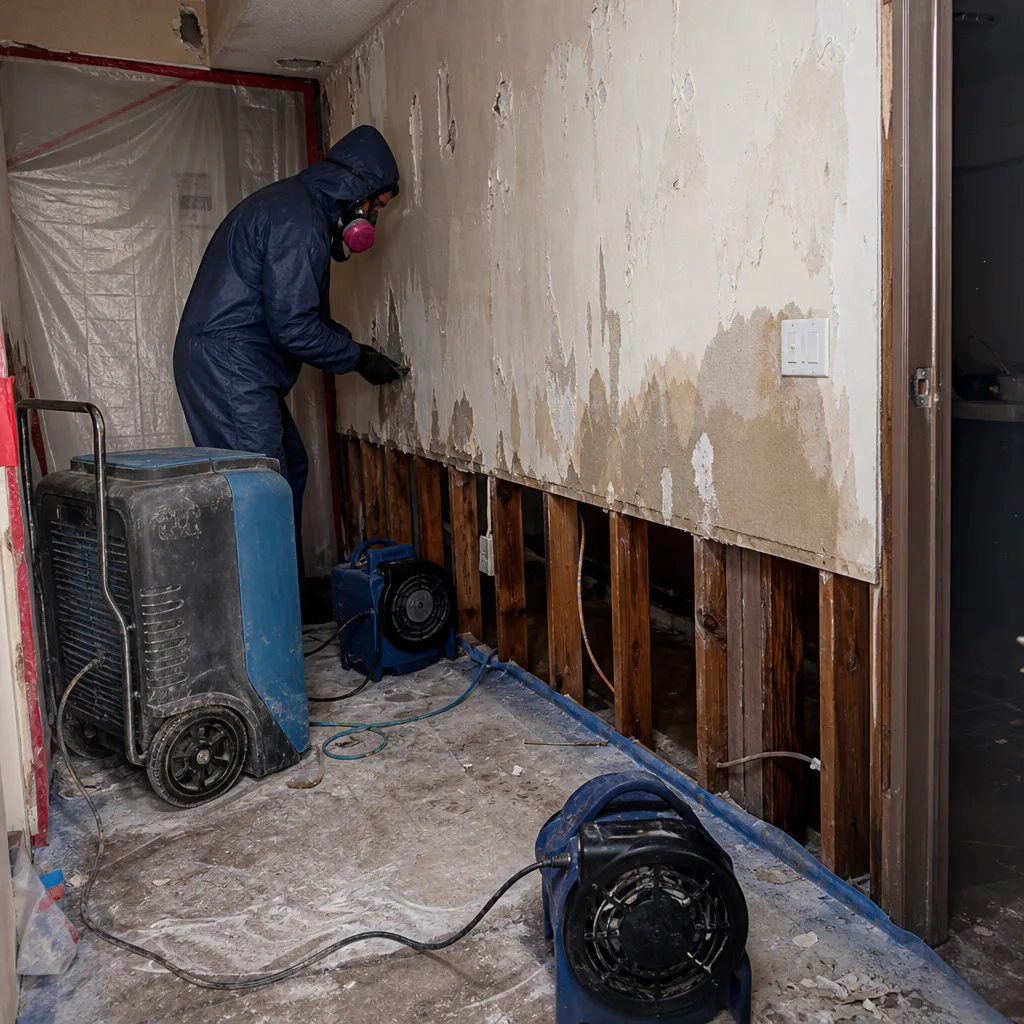 Before
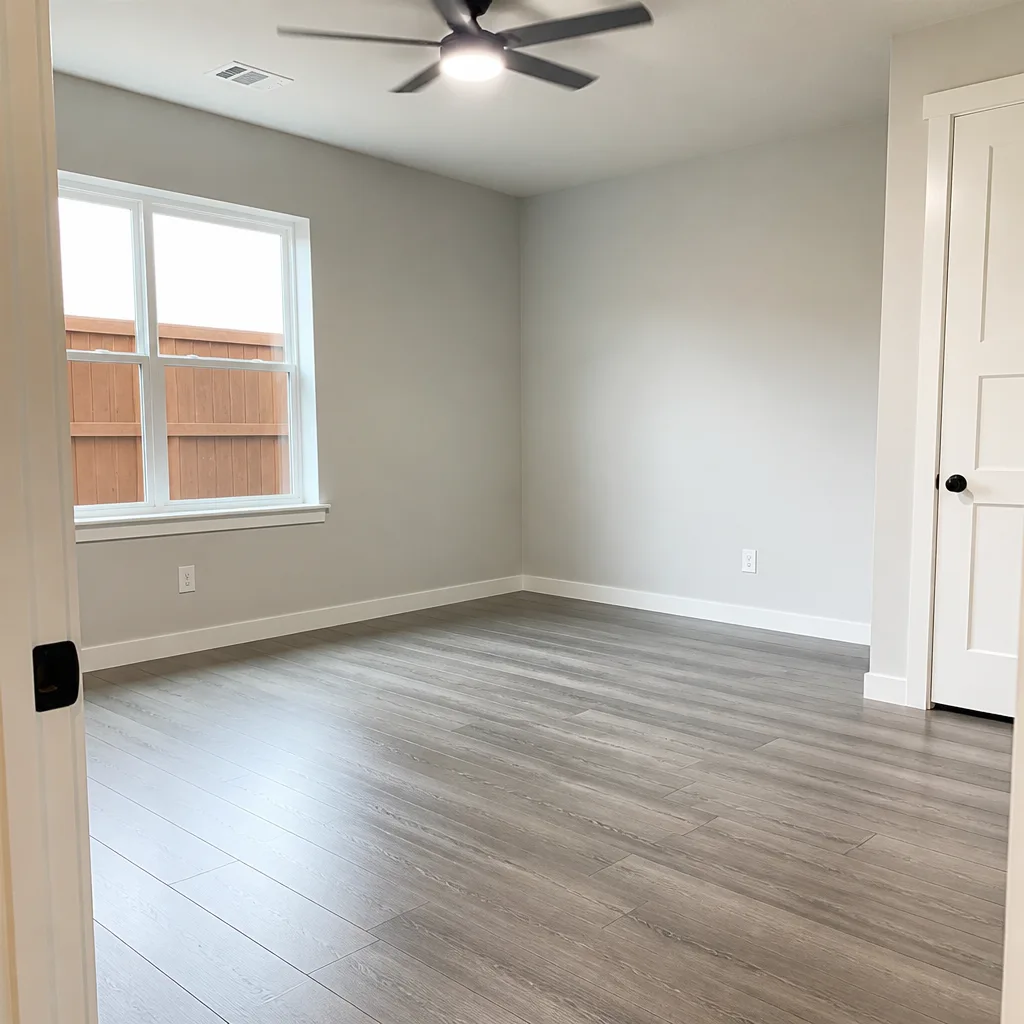 After
AfterWhen to Call a Professional
Call a professional the moment you see standing water, smell a musty odor you can’t source, or notice a water stain that wasn’t there last week. If water is touching drywall, baseboards, or flooring in any quantity, the clock is running. Sewage backups and floodwater are always professional territory: the health risk and the contamination level are not DIY situations. If you have smoke or soot damage from even a small fire, the lingering odor and airborne particles require professional equipment to address fully. In each of these situations, speed matters more than anything else. Dryden Restoration Dallas offers free estimates in Dallas. Call (940) 468-1166 and a live person will answer, 24 hours a day, 7 days a week.
Frequently Asked Questions
A contained Category 1 water loss in Dallas typically runs $1,200 to $3,500, while a Category 3 sewage event ranges $8,000 to $25,000 or more. Fire restoration varies widely based on whether structural rebuild is required. Call (940) 468-1166 for a written estimate based on your specific damage.
Mold colonization can begin within 24 to 48 hours of water exposure in Dallas, with the 24-hour end of that window being common during our humid summer months. Professional drying within the first 24 hours is the single most effective way to prevent a mold problem.
Most standard policies cover sudden and accidental water damage, like a burst pipe, but not gradual leaks or floods from outside without a separate flood policy. We document every job photographically and coordinate directly with your adjuster to maximize what your policy covers.
Targeted cleaning works for small, contained areas of surface mold on non-porous materials, but mold on drywall, carpet pad, or anything porous usually requires removal of the affected material. A professional assessment that includes moisture readings and containment planning will tell you which situation you’re in without overselling you.
Professional drying for a contained Category 1 loss typically takes 2 to 4 days with pro-grade equipment. Category 3 sewage events involving material removal and reconstruction can take 2 to 4 weeks or longer, depending on the rebuild scope.
Turn off the water source if you can do so safely, move valuables out of the affected area, and avoid walking through contaminated water. Do not attempt to dry the area with a household dehumidifier or fan, as this can spread contaminants. Take photos for your insurance claim, then call us at (940) 468-1166.
The Bottom Line
Damage restoration in Dallas is shaped by three compounding forces: expansive clay soil that moves foundations and cracks pipes, flash flooding that overwhelms drainage, and summer humidity that starts mold growth within 48 hours. The cost of every damage type, from a $1,200 Category 1 water loss to a $100,000 fire rebuild, depends on how quickly you respond and whether the scope of work in front of you has specific numbers, not vague language. Whether you need water damage restoration, mold remediation, or fire damage restoration, the path back starts with a phone call to a live person and a written price before any work begins. At Dryden Restoration Dallas, that’s how every job works. Call (940) 468-1166 and you’ll understand the difference on the first call.
Written by Carl Brandt, Owner at Dryden Restoration Dallas, serving Dallas since 2005.