
Last updated October 16, 2026
 Water damage drying
 Fire & smoke cleanup
 Mold remediation
 Storm response
 Sewage cleanup
 Reconstruction
Free visual inspection and a written scope of work before any mitigation begins - photos, moisture readings, and drying logs go in your claim file
The scope we write is the scope we bill. Anything new gets shown to you, in writing, before we touch it.
Get your free estimateDamage Restoration Cost Breakdown: The Dallas Homeowner’s Reference for 2026
Here’s a number that should trouble every Dallas homeowner: restoration estimates for the same water leak in the same neighborhood routinely land between $1,800 and $6,500. Same drywall, same flooring, same house size. The 300% spread exists because most estimates hide the real variables inside line items that sound fixed but aren’t. This guide breaks down what restoration actually costs in Dallas in 2026, exposes the five line items most likely to double your final invoice, and gives you the numbers and checklists you need before you sign anything. For DIY vs Professional Damage Restoration: The Dallas Homeowner’s Decision Guide and more guides & resources, see our blog.
Quick Answer
Water damage restoration in Dallas typically runs $900 – $7,000 depending on water category and affected square footage, with Category 1 clean-water damage in a 200 sq ft area averaging $900 – $2,200, Category 2 gray-water damage in 400 sq ft running $3,500 – $7,000, and Category 3 sewage or floodwater starting at $6,500. Mold remediation typically ranges $1,500 – $6,000 per affected room, and fire damage restoration runs $3,000 – $25,000 depending on smoke penetration and structural involvement. The single biggest cost inflator is not the emergency itself but the change orders that get added after the initial estimate.
Restoration work we handle
Table of Contents
- Actual Cost Ranges by Damage Category in 2026
- The 5 Line Items Most Likely to Generate Change Orders
- What Texas Insurance Actually Covers (and What Dallas Adjusters Deny)
- Dehumidifier Day-Rates: What’s Reasonable in Dallas
- The Written Estimate Checklist: 8 Things That Must Be There
- How Professional Drying Actually Works (and Why It Takes Days, Not Hours)
- Mold and Fire: The Two Categories Dallas Homeowners Underestimate
- Common Mistakes to Avoid
- When to Call a Professional
- Frequently Asked Questions
Actual Cost Ranges by Damage Category in 2026
Restoration pricing in Dallas is not random, but it is also not standardized. The industry classifies water damage into three categories, and each one carries a fundamentally different cost profile. Here are the ranges we’re seeing across Dallas County in 2026 for residential jobs, from North Oak Cliff to Richardson to the M Streets.
Category 1 is clean water: a supply line break under a sink, a burst pipe behind an interior wall, an overflowing bathtub with no contaminants. In a 200 square foot affected area, expect to pay $900 – $2,200 for extraction, drying, and basic drywall patching if you catch it within 24 hours. Most Category 1 jobs in Dallas involve one affected room and finish within 3 – 5 days of equipment runtime.
Category 2 is gray water: discharge from a washing machine, a dishwasher leak, an aquarium failure, or a sump pump overflow. Gray water carries biological and chemical contaminants. A 400 square foot Category 2 loss in Dallas typically runs $3,500 – $7,000 because it requires carpet pad replacement, antimicrobial treatment on affected framing, and containment during demolition. The price step-up from Category 1 reflects the disposal cost and the disinfection protocol, not just the extra square footage.
Category 3 is black water: sewage backup, toilet overflow from the bowl, rising floodwater from the street, or any water that has passed through soil. Category 3 starts at $6,500 in Dallas even for a small affected area because it requires full containment, Category 3-rated personal protective equipment for the crew, biosolid disposal, and cutting out affected porous materials to the studs. There is no drying-and-saving drywall in a Category 3 loss. It all comes out.
These numbers reflect actual Dallas 2026 market rates. They include labor, equipment, and standard disposal but not reconstruction, which is a separate quote that should never be folded into a mitigation estimate. If someone gives you a single number for “make it all better,” that’s your first red flag.
Restoration Cost by Damage Type in Dallas, 2026
- Category 1 water (200 sq ft): $900 – $2,200
- Category 2 water (400 sq ft): $3,500 – $7,000
- Category 3 sewage (any size): $6,500+
- Mold remediation (per room): $1,500 – $6,000
- Fire damage (contained): $3,000 – $9,000
- Fire damage (whole-home smoke): $12,000 – $25,000
- Storm/flood damage (structure + contents): $5,000 – $30,000+
These ranges assume a typical Dallas single-family home built between 1960 and 2005. Newer construction with open spray foam insulation can shift costs upward because wet foam must be removed mechanically rather than dried in place. Older pier-and-beam homes in East Dallas and Casa View present different access challenges that also affect pricing.
The 5 Line Items Most Likely to Generate Change Orders
The hardest conversation we have with Dallas homeowners is the one about the estimate they already signed. The most common pattern we see in competitor invoices looks like this: a fixed line for “water extraction and drying” at a specific price, followed by an open-ended line for “affected drywall removal” with no square footage attached. That second line is where the final invoice can double. Here are the five line items that generate the most change orders in Dallas restoration jobs, and what you should look for on any estimate you receive. For a deeper look at early indicators of trouble, read Damage Restoration Warning Signs: A Dallas Homeowner’s Reference Guide.
1. Asbestos and Mold Testing
Dallas homes built before 1980 frequently contain asbestos in drywall joint compound, popcorn ceiling texture, and vinyl flooring. If a restoration crew starts cutting without testing, they may be violating Damage Restoration Permits, Codes & Inspections in TX: What You Need to Know from the Texas Department of State Health Services regulations. The testing itself is legitimate and necessary, but it should be on the initial estimate, not added after demolition begins. A pre-demolition asbestos survey in Dallas runs $400 – $900 for a typical affected area. Mold testing should similarly be scoped before work starts, not discovered mid-job.
2. Cavity Drying Equipment
When water gets inside wall cavities, drying requires either drilled holes with air injection or full cavity access. The equipment for this, often Injectidry panels or specialized air movers, carries a higher day-rate than standard floor drying. Some estimate writers quote floor drying equipment only, then add cavity drying systems as a change order when the moisture meter shows elevated readings in the wall. Any reputable estimate should include anticipated cavity drying based on the visible water path. If the estimate doesn’t mention wall cavities at all, ask why.
3. HVAC Sanitization
Contaminated water or heavy smoke in a Dallas home means the HVAC system has likely pulled particles through the return air. A proper restoration includes duct cleaning and coil sanitization, which runs $500 – $1,800 depending on system size. This line item often appears as a change order because the initial emergency response focuses on the visible water or fire damage. But it should have been foreseeable from the start. Look for it on the first written estimate.
4. Content Pack-Out and Storage
When affected rooms contain furniture, clothing, and personal items, those contents must be moved, inventoried, cleaned if exposed, and often stored off-site during drying. Pack-out for a 400 square foot affected area in Dallas typically runs $800 – $2,500 including inventory documentation and local storage. The change-order risk here is the storage duration: if the estimate assumes five days of storage and drying takes nine, the storage line climbs. Ask for the assumed day-count in writing.
5. Structural Drying Beyond the Quoted Day-Count
Every drying estimate includes an assumed number of equipment days, often three to five. If the drying stalls because the Dallas humidity spiked or because the water had been sitting for days before discovery, the equipment keeps running and the day-rate keeps ticking. The legitimate response is a written daily log showing moisture readings and the drying target. Estimates that don’t commit to a named day-count and a moisture-content stopping point are built to generate change orders.
Our approach at Dryden Restoration Dallas is to include these line items in the initial written price whenever they are reasonably foreseeable, and to explain in plain English why each one exists. A written price before any work starts means these five items land on the first piece of paper, not the third.
What Texas Insurance Actually Covers (and What Dallas Adjusters Deny)
Texas insurance law operates on a doctrine called “sudden and accidental.” In plain English: your policy covers damage that happens suddenly and by accident, like a pipe bursting at 3 a.m. It does not cover damage that happens slowly over time, like a pinhole leak behind a wall that has been dripping for six months. The distinction sounds obvious until you’re standing in a flooded laundry room explaining to an adjuster that you had no idea the supply line was compromised.
What Dallas adjusters commonly approve: pipe bursts from freezing or age, appliance supply line failures, water heater ruptures, storm-driven water entering through wind-damaged openings, and fire suppression water release after a contained fire. The key phrase in Texas policy language is “ensuing water damage” from a covered event. If a covered peril caused the water, the resulting drying and mitigation is covered.
What Dallas adjusters commonly deny or heavily scrutinize: slow leaks present for more than 14 days, roof leaks from deferred maintenance, foundation seepage after repeated storms, mold that developed prior to the reported event, and any Category 3 sewage backup unless you carry a specific sewer and drain endorsement. Many Dallas homeowners carry an HO-3 policy with a standard named-peril list; that list does not automatically include sewage backup.
Our Water Damage Restoration in Dallas service includes direct adjuster coordination and photo-documented assessments because we’ve learned that a clear, dated photo log with moisture readings changes the conversation with the insurance carrier. The documentation should start the moment damage is discovered, before any cleaning or demolition begins. Whatever you do, take photos before you touch anything.
Dehumidifier Day-Rates: What’s Reasonable in Dallas
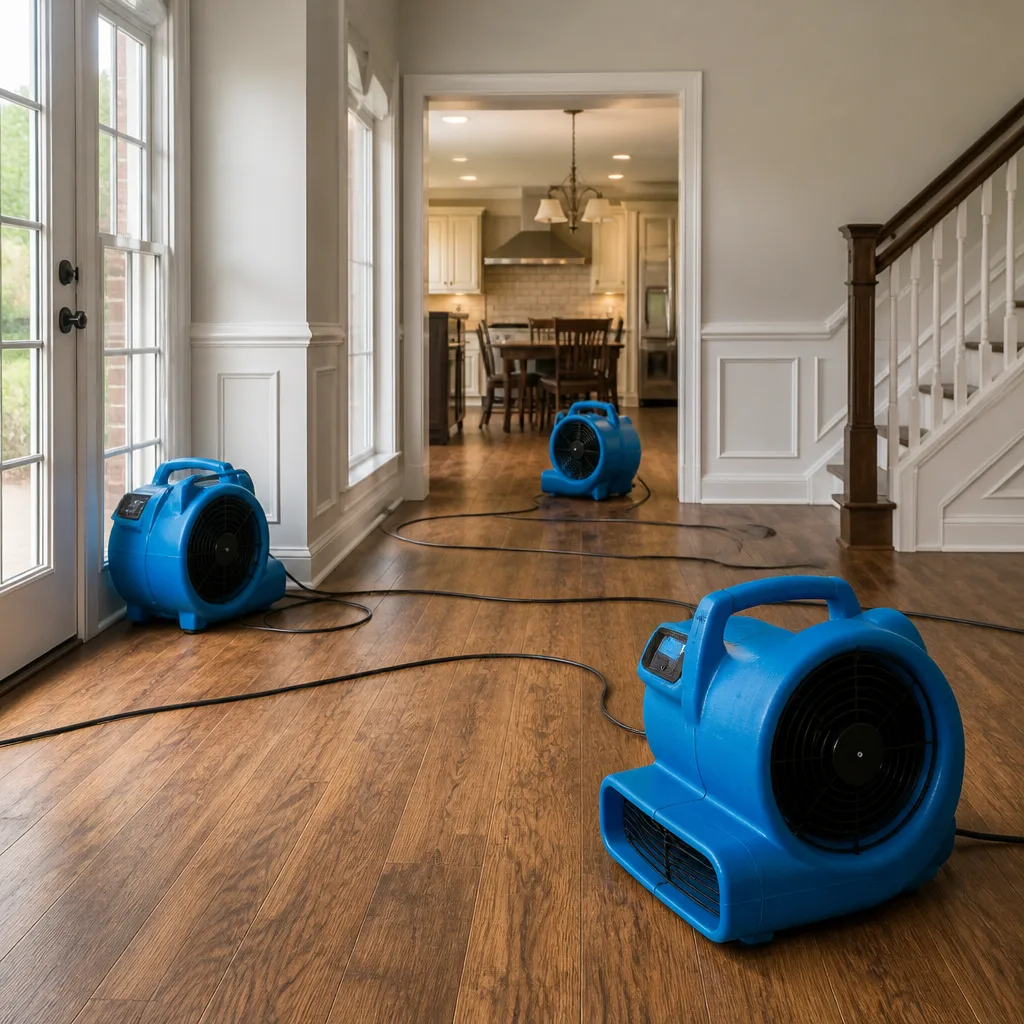
Professional drying equipment in Dallas carries a day-rate of $100 – $175 per dehumidifier unit, and $40 – $75 per air mover. Those rates include delivery, setup, monitoring, and removal. They do not include electricity, which the homeowner pays as part of their normal utility bill during the drying period. A typical 1,500 square foot affected area with standing water and wet drywall requires 2 – 3 dehumidifiers and 6 – 10 air movers. That’s $350 – $825 per day in equipment charges alone.
Here’s the math an honest estimator uses. A single Dri-Eaz LGR 7000XLi dehumidifier removes about 70 pints of water per day at standard conditions. If your affected area holds an estimated 50 gallons of water, that’s 400 pints that need to come out of the materials and air. One unit can’t do that in five days. Two units can’t do it in three days without air movement. The number of units on the estimate should trace directly to a psychrometric calculation, which is the science of measuring temperature, humidity, and the rate moisture leaves building materials. RH, or relative humidity, should be tracked daily and shared with you in the drying log.
When you see an estimate with six dehumidifiers on a 400 square foot bathroom, that’s padding. When you see one dehumidifier on a flooded 1,500 square foot basement, that’s under-equipping, which means your drying target will be missed and the day-count will extend. Ask the estimator to show you the psychrometric math behind the unit count. If they can’t explain it in plain English, you’re dealing with a day-rate merchant, not a restoration professional.
Our equipment fleet includes Dri-Eaz, Phoenix, XPOWER, and B-Air systems because these are the machines we can calibrate and verify. The brand matters less than the documentation: every Dryden job includes a daily log showing the RH readings, the drying target, and the equipment runtime. You should expect that from anyone you hire.
The Written Estimate Checklist: 8 Things That Must Be There
A legitimate Dallas restoration estimate is not a one-paragraph quote with a total at the bottom. It’s a scope of work that holds up when you show it to your insurance adjuster or, if necessary, a lawyer. Here are the eight items every written estimate must include before it’s worth your signature.
- Water category classified in writing. Category 1, 2, or 3 must be specified by name. This is the single most important line on the estimate because it determines the entire protocol.
- Affected square footage, measured, not estimated. The number should come from a laser measurement, not a walk-through guess. Any change to that square footage triggers a legitimate change order; any change before that measurement happens is a red flag.
- Equipment list with unit counts and day-rates. Specific brands help, but unit count and daily rate are mandatory. “Drying equipment as needed” is not a line item.
- Expected drying day-count with a moisture-content stopping point. The estimate should say “3 – 5 days, target 8 – 10% moisture content in affected framing.” No day-count, no signature.
- Demolition scope with square footage or linear feet. “Affected drywall removal” must be quantified. If it’s not, that open-ended line can double your final invoice.
- Containment and PPE assumptions. For Category 2 and 3, the estimate should state whether full containment is included and what level of protective protocol applies.
- Testing line items (asbestos, mold, lead) with third-party lab costs. Testing should be a pass-through cost to an independent lab, not a profit center for the restoration company.
- A guarantee clause in writing. The estimate should state what happens if the repair fails. At Dryden, that’s the 365-Day Done Right Promise: if something fails within a year, we return and fix it at no charge. That promise is in writing on every job we do.
If any of these eight items is missing, don’t sign. Politely ask for the item to be added. A company that won’t put its scope in writing is a company that doesn’t want to be held to it.
How Professional Drying Actually Works (and Why It Takes Days, Not Hours)
Here’s what surprises most Dallas homeowners: water from a single burst pipe can travel 20 feet laterally through a ceiling cavity before it ever shows as a stain. That’s why a small visible patch often requires a much larger contained drying area. And it’s why drying takes days, not hours. No machine on the market can pull water from inside a wall cavity in a single afternoon.
Professional drying in Dallas follows a measurement-first approach. Before any equipment gets placed, the technician uses a moisture meter to map the affected area and establish baseline readings. Those readings go into a psychrometric calculation that determines how many dehumidifiers and air movers the space needs. The equipment then runs continuously, and the technician returns daily to take new readings and adjust placement. The drying target is typically 8 – 10% moisture content in framing, depending on the wood species and ambient conditions.
Dallas’s climate makes this work harder than it sounds. Our summer dew points hover in the 65 – 75°F range, which means the outside air is itself a moisture source. If a tech props open a window to “help things dry,” they’ve just made the problem worse. Professional drying requires closing the envelope and controlling the environment from the inside. During July and August, a properly contained drying chamber in a Dallas home needs more dehumidifier capacity than the same job would in Phoenix or Denver.
The trade term for the measurement practice is psychrometric drying, which simply means using instrument readings rather than the backs of hands to know when materials are dry. If a restoration company tells you the walls are dry because they “feel dry,” that’s not drying. That’s guessing. The IICRC standard, which is the recognized benchmark for water damage restoration training, requires documented moisture readings throughout the drying process.
Mold and Fire: The Two Categories Dallas Homeowners Underestimate
Most Dallas homeowners think of water damage when they think of restoration. But the two categories that surprise people most at the invoice are mold and fire, and each has its own Dallas-specific cost profile.
Mold Remediation in Dallas
Mold remediation in Dallas runs $1,500 – $6,000 per affected room depending on the type of mold, the depth of penetration, and the accessibility of the affected materials. The cost driver is not the mold itself; it’s the containment and disposal protocol. Proper Mold Remediation in Dallas requires negative air pressure containment, HEPA filtration on every exhaust point, and bagged disposal of affected materials through a contained pathway. That equipment and labor is what you’re paying for, not the cleaning solution.
Dallas’s humidity creates a long mold season compared to drier climates. Interior mold from a water event can establish in 48 – 72 hours, but the mold that comes from chronic humidity and poor ventilation can build for months before it’s visible. The difference matters for insurance: sudden-event mold is often covered as ensuing damage; chronic-humidity mold is almost never covered under a standard Texas policy. The Fire Damage Restoration in Dallas team handles the third category, which is smoke and soot, and it often involves its own containment challenges.
Fire Damage: What Smoke Actually Costs
A contained kitchen fire in a Dallas home runs $3,000 – $9,000 for smoke and soot mitigation, content cleaning, and odor neutralization. A whole-home smoke event from a fire that burned hot and pulled through the HVAC runs $12,000 – $25,000. The variable is not the fire itself; it’s where the smoke went. Smoke is a particulate, and particles travel. They enter the ductwork, they settle on every horizontal surface, they penetrate porous materials like drywall and upholstery, and they leave an odor that persists for years if not properly addressed.
Proper fire restoration includes thermal fogging or ozone treatment for odor, ultrasonic cleaning for hard contents, and HVAC sanitization as early as possible. The earlier the HVAC is isolated, the less the smoke spreads through the home. If you have a fire in Dallas, close the HVAC return in the affected area if you can do so safely, then call your restoration company before you call anyone else except the fire department.
Common Mistakes to Avoid
- Waiting to call. Water damage worsens by the hour in Dallas, especially in summer when interior humidity accelerates mold growth. A 12-hour delay can move a job from Category 1 to Category 2.
- Signing a one-page estimate. If the entire scope fits on a single page with one total at the bottom, the details are missing. A legitimate scope runs multiple pages.
- Paying for “drying as needed.” That phrase means the company will run equipment until the invoice reaches whatever number they had in mind. Demand a unit count and a day-count.
- Trusting a verbal “insurance will cover it.” Only your adjuster determines what’s covered. Your restoration company should document and coordinate, not promise coverage.
- Starting demolition before photos are taken. Once the drywall is out, the evidence is gone. Document everything first.
- Hiring the first company that answers the phone. Dallas has hundreds of restoration companies. Some are excellent local operators; others are storm-chasers who follow hail events from state to state. Ask how long they’ve served Dallas specifically.
- Skipping the guarantee question. A company that won’t put a repair guarantee in writing is telling you something. Listen to it.
When to Call a Professional
Call a restoration professional in Dallas any time water has been present for more than 24 hours, any time sewage or floodwater is involved, any time mold is visible on more than a few square feet, and any time smoke has traveled beyond the room of origin. These are not DIY situations, and in the case of Category 3 water, attempting cleanup without proper PPE can introduce serious health risks. Water-damaged electrical components should never be approached without cutting power at the breaker first, and gas lines affected by fire or structural movement require a licensed professional before re-entry. Dryden Restoration Dallas offers free estimates across the Dallas area. Call (940) 468-1166 and a live person answers, 24 hours a day, 7 days a week.
Frequently Asked Questions
Water damage restoration in Dallas ranges from $900 for a small Category 1 clean-water loss up to $7,000 for a larger Category 2 gray-water job, with Category 3 sewage damage starting at $6,500 regardless of size. These ranges include extraction, drying, equipment, and standard demolition but not reconstruction. Call (940) 468-1166 for an exact written quote on your specific damage.
Insurance covers water damage that is “sudden and accidental,” like a burst pipe or appliance failure, but not slow leaks, deferred maintenance, or gradual seepage. Texas adjusters also commonly deny sewage backup unless you carry a specific sewer endorsement on your policy. Photo documentation and a detailed moisture log are your strongest tools for getting the claim approved.
With Dryden Restoration Dallas, a live person answers the phone 24/7 at (940) 468-1166, and we work from a named arrival window, not a vague “sometime today.” In water emergencies, the sooner the equipment goes in, the less the final cost will be, because every hour of standing water expands the affected area.
If water sat for more than 24 hours, if the water category is 2 or 3, or if mold is already visible, cleaning is not enough. Porous materials like drywall, carpet pad, and insulation must be removed and replaced; surface cleaning only masks the problem and gives mold time to establish inside the cavities. A moisture meter reading showing elevated levels inside wall cavities is the definitive signal that remediation is required.
At Dryden Restoration Dallas, we coordinate directly with your adjuster, providing the photo log, moisture readings, and written scope of work they need to process the claim. We don’t promise coverage; we document the loss to the standard adjusters require. That direct coordination saves homeowners the burden of translating restoration terminology into insurance language.
The 365-Day Done Right Promise is our written guarantee that if any covered repair fails within a full year of completion, we return and correct it at no charge. It’s part of The Kingswell Guarantee that applies to every Dryden job: a written price before work begins, a committed arrival window, a clean job site, and a documented promise to come back if something goes wrong. The guarantee is written, not verbal.
The Bottom Line
Dallas restoration costs vary by 300% for the same job description because the description rarely matches the actual scope. The homeowners who pay fairly are the ones who demand a written estimate with eight specific elements: classified water category, measured square footage, equipment counts with day-rates, a drying day-count, quantified demolition, containment assumptions, testing line items, and a written guarantee. The ones who pay too much sign one-page estimates with open-ended lines and trust that the final invoice will match the first number. It rarely does. Learn the line items, document everything before work starts, and call a company that puts its promises in writing. For more guides & resources on protecting your home and your wallet, visit our blog. Dryden Restoration Dallas does exactly that. Call (940) 468-1166 for a free written estimate, any hour of any day.
Written by Carl Brandt, Owner at Dryden Restoration Dallas, serving Dallas since 2005.
See the difference
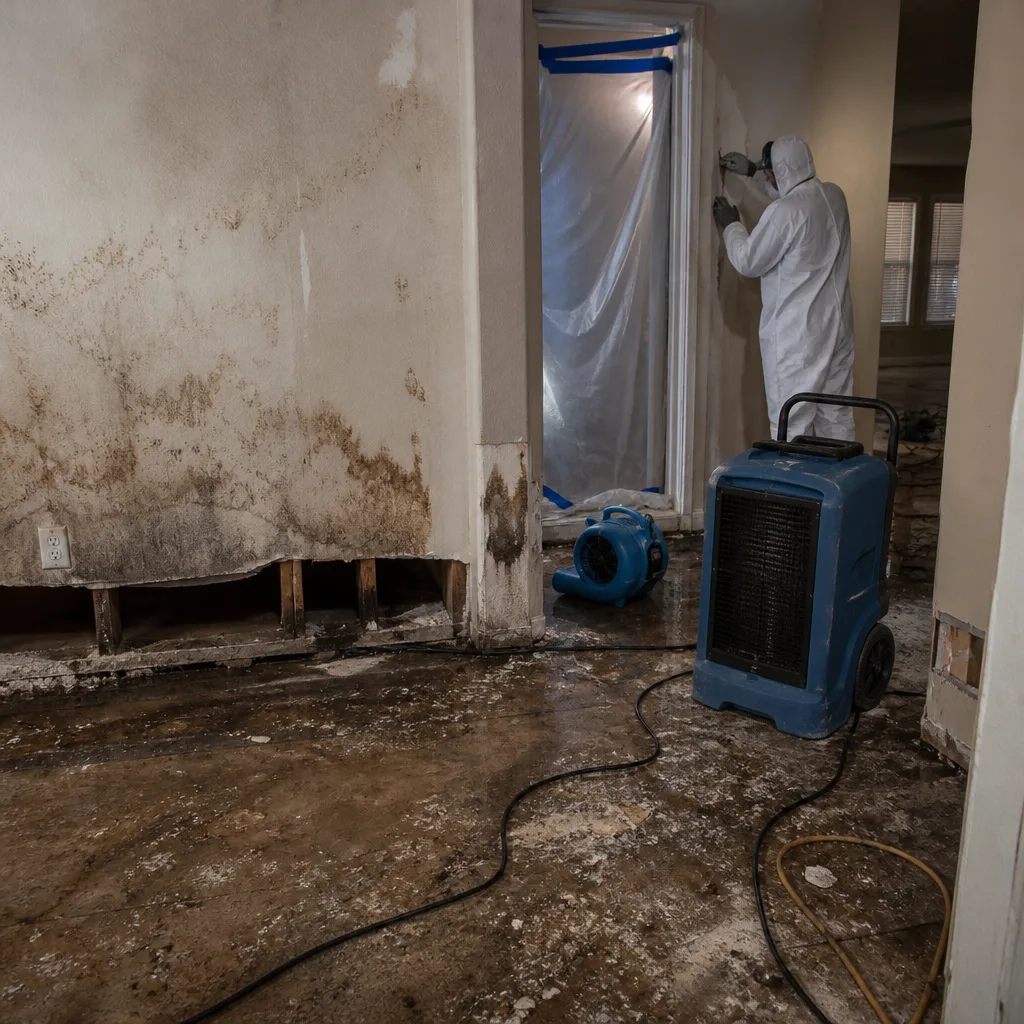 Before
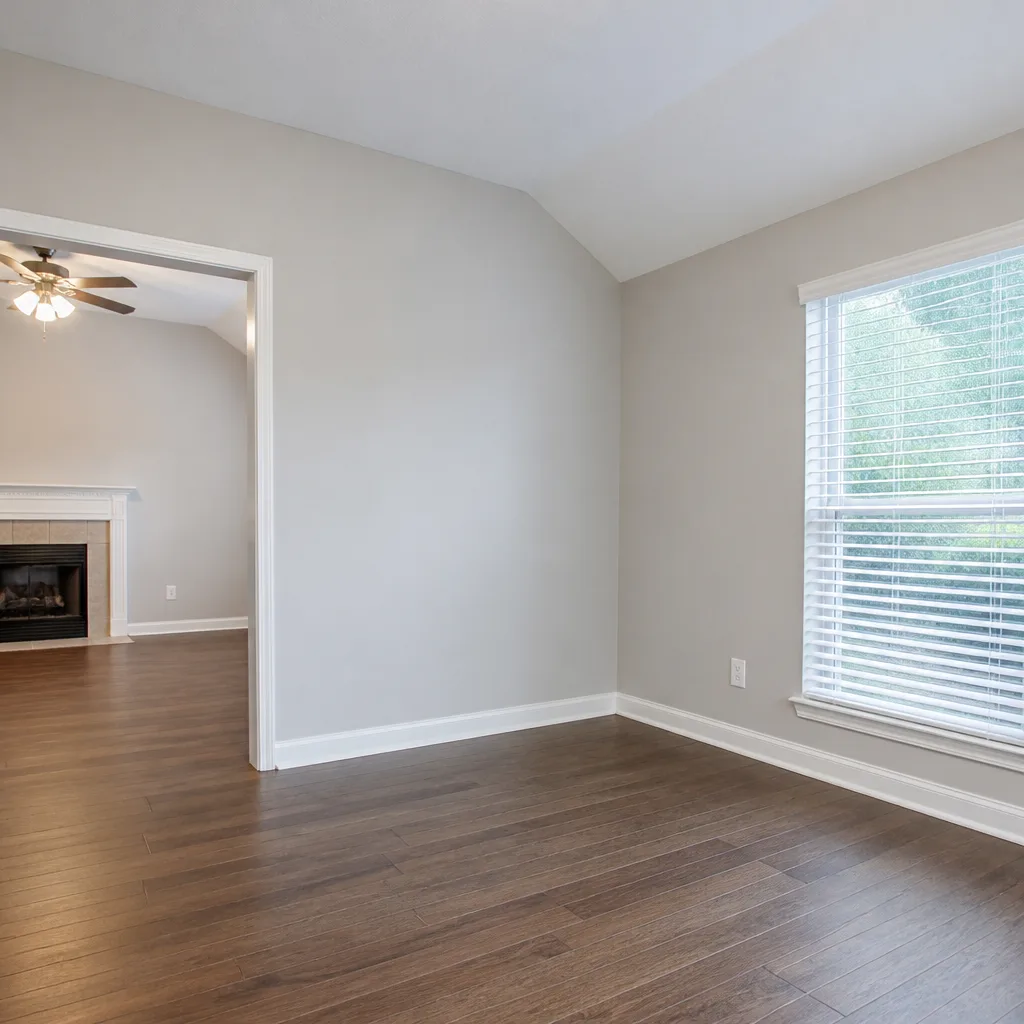
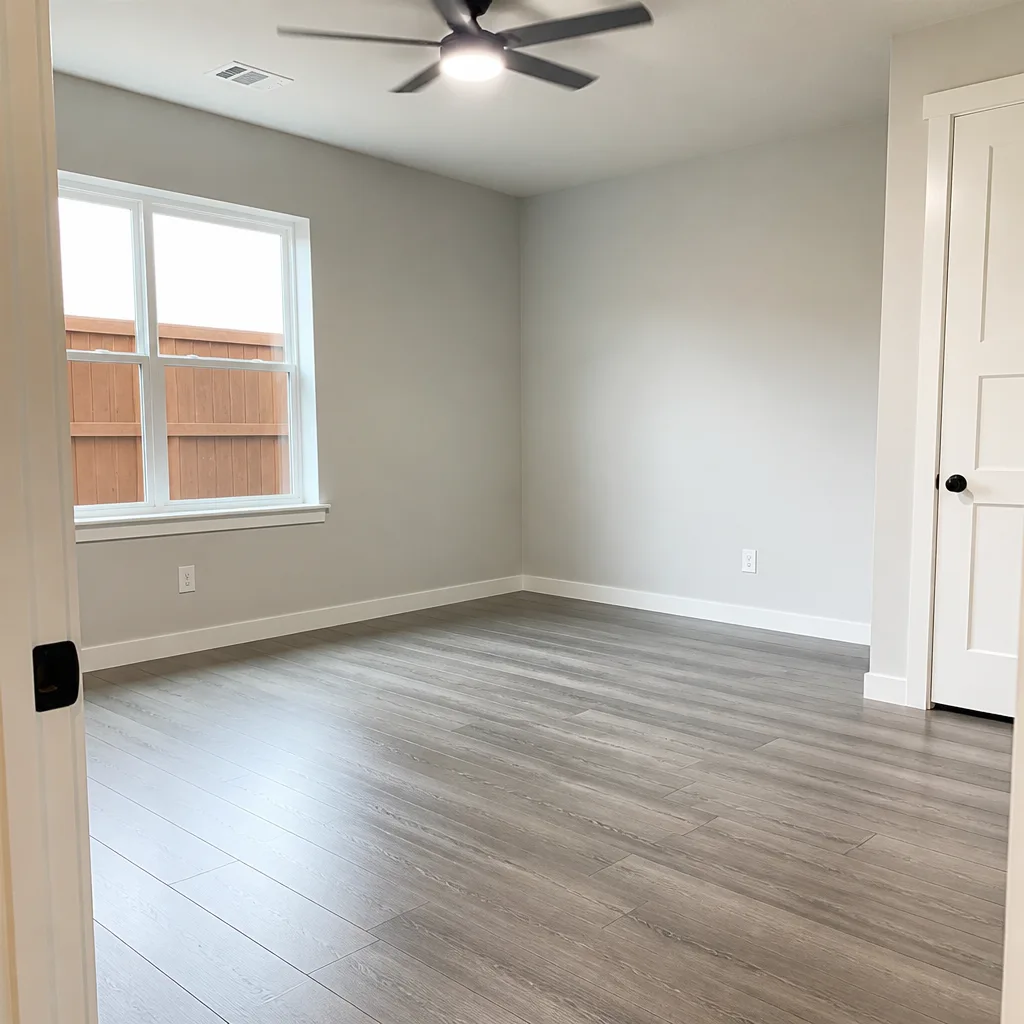
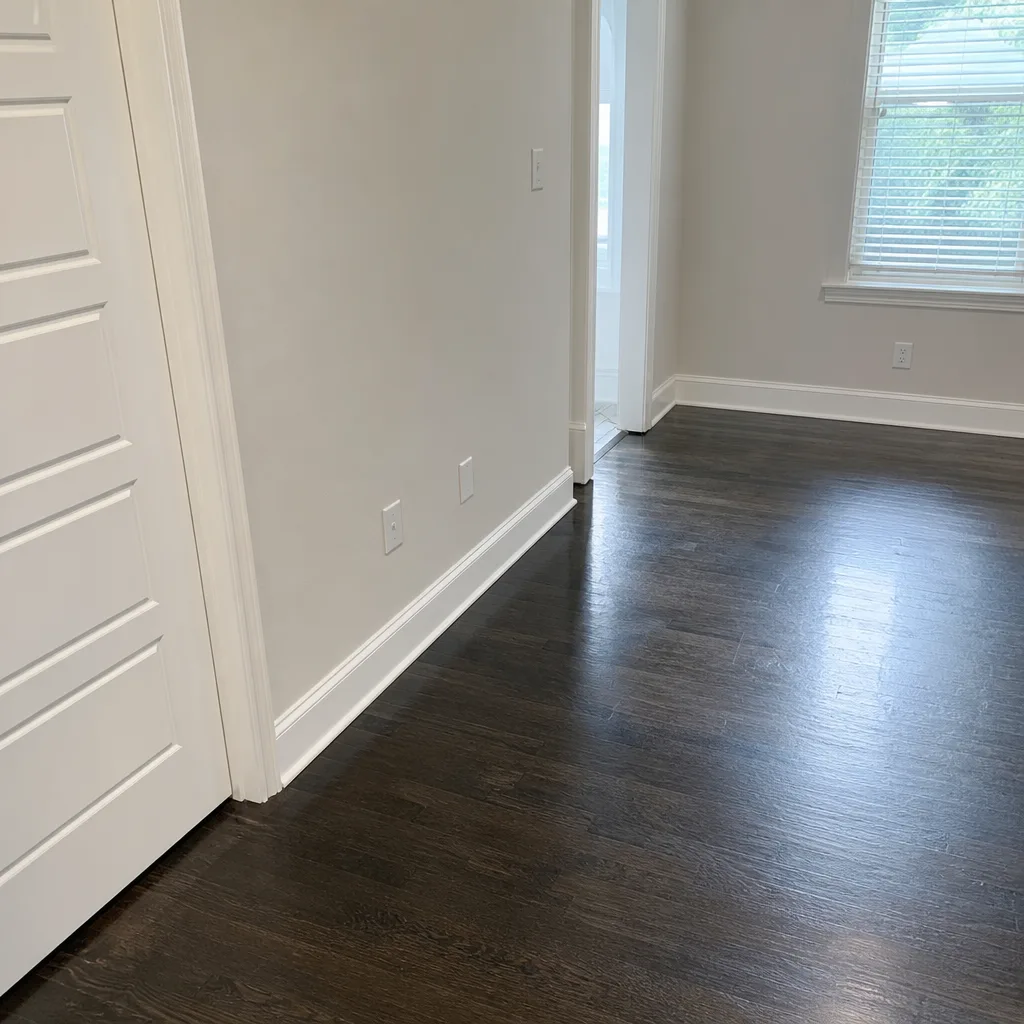 After
After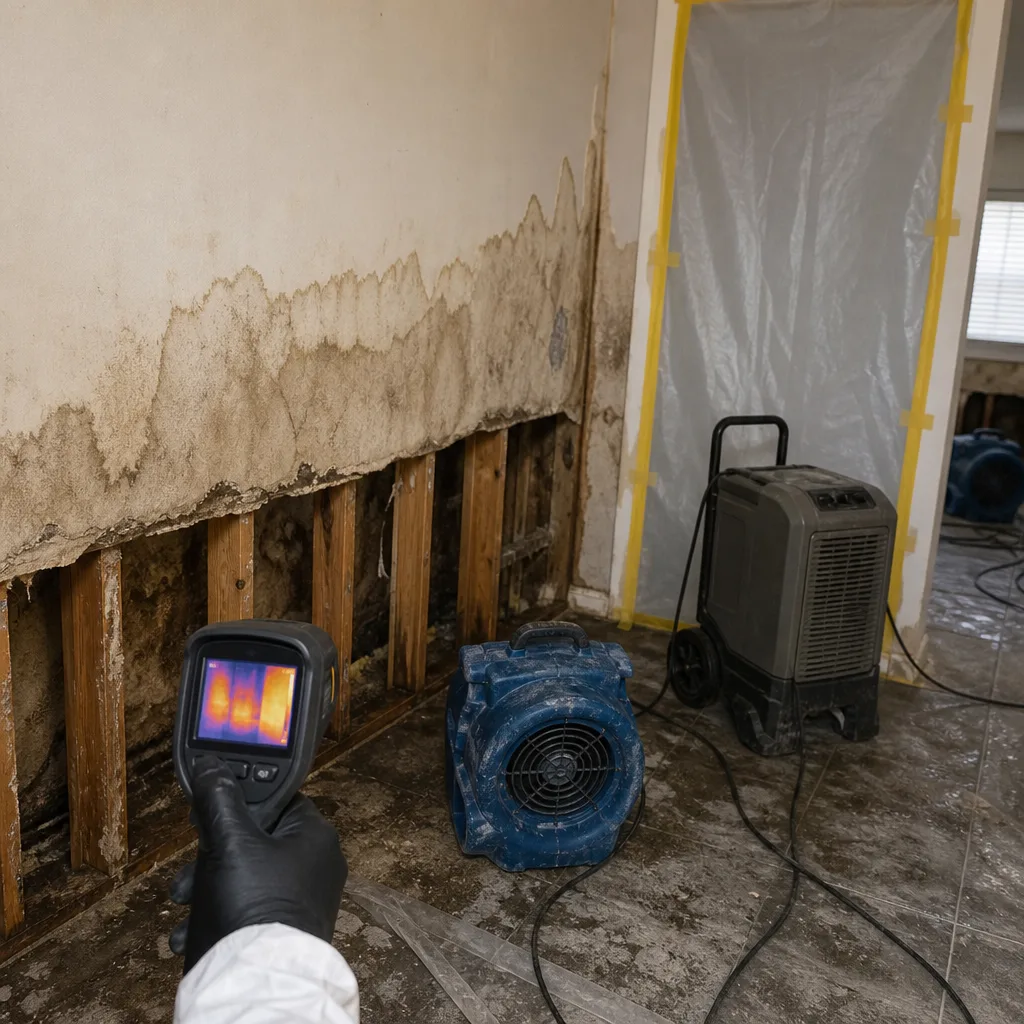 Before
 After
After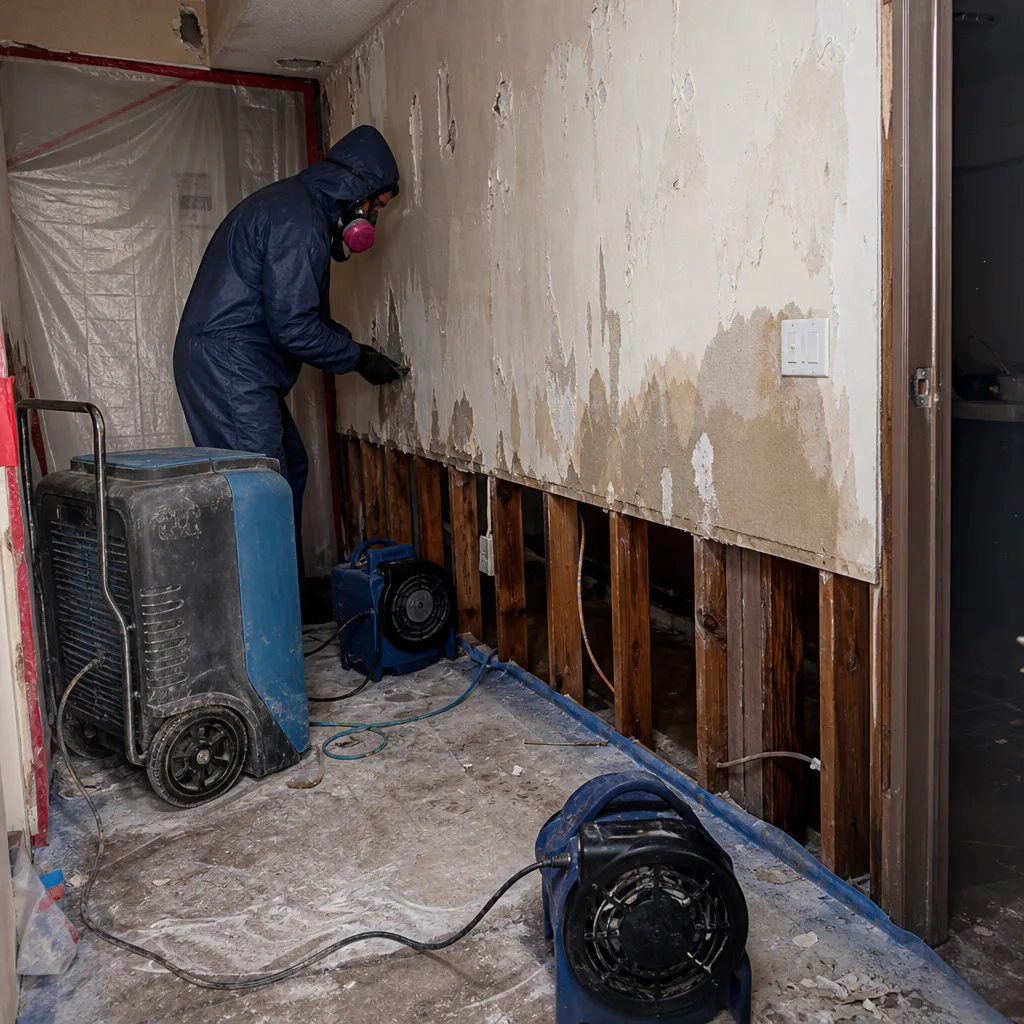 Before
 After
After