
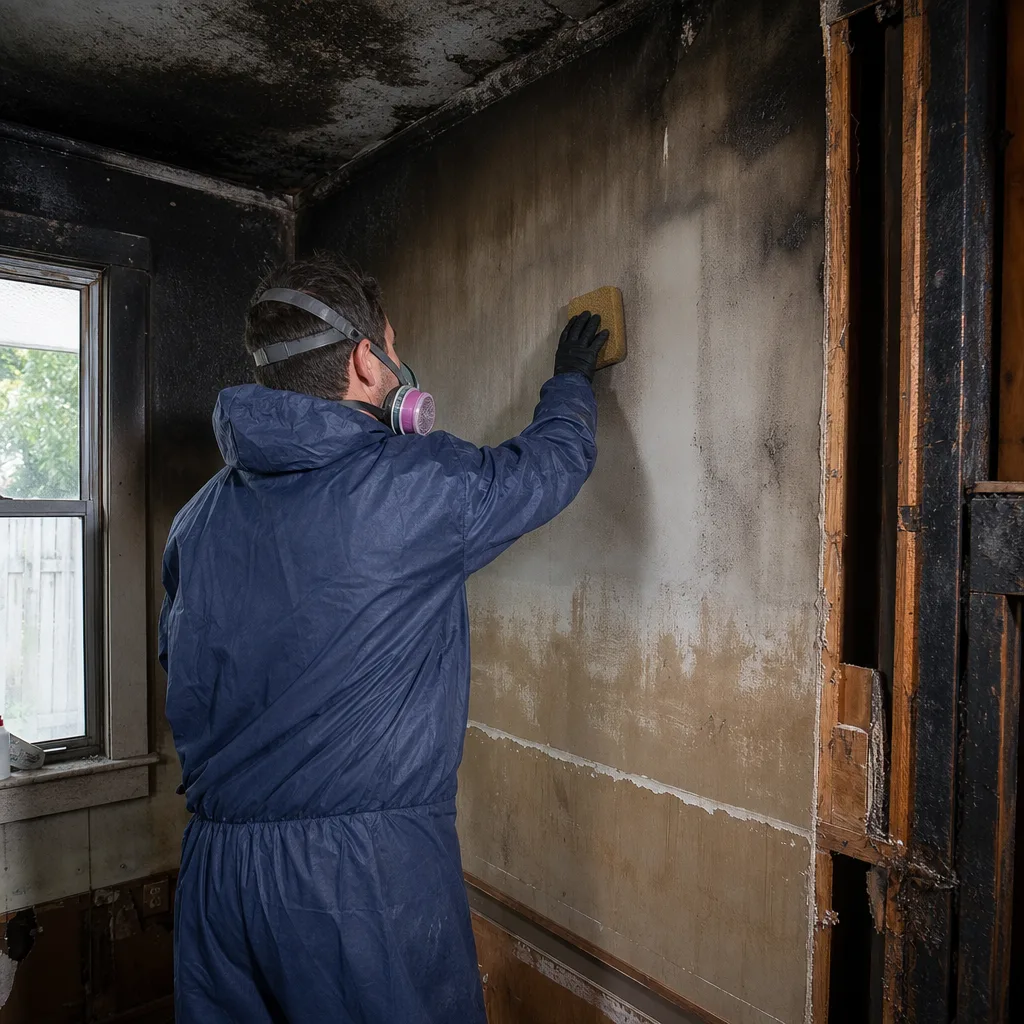
 Fire & smoke cleanup
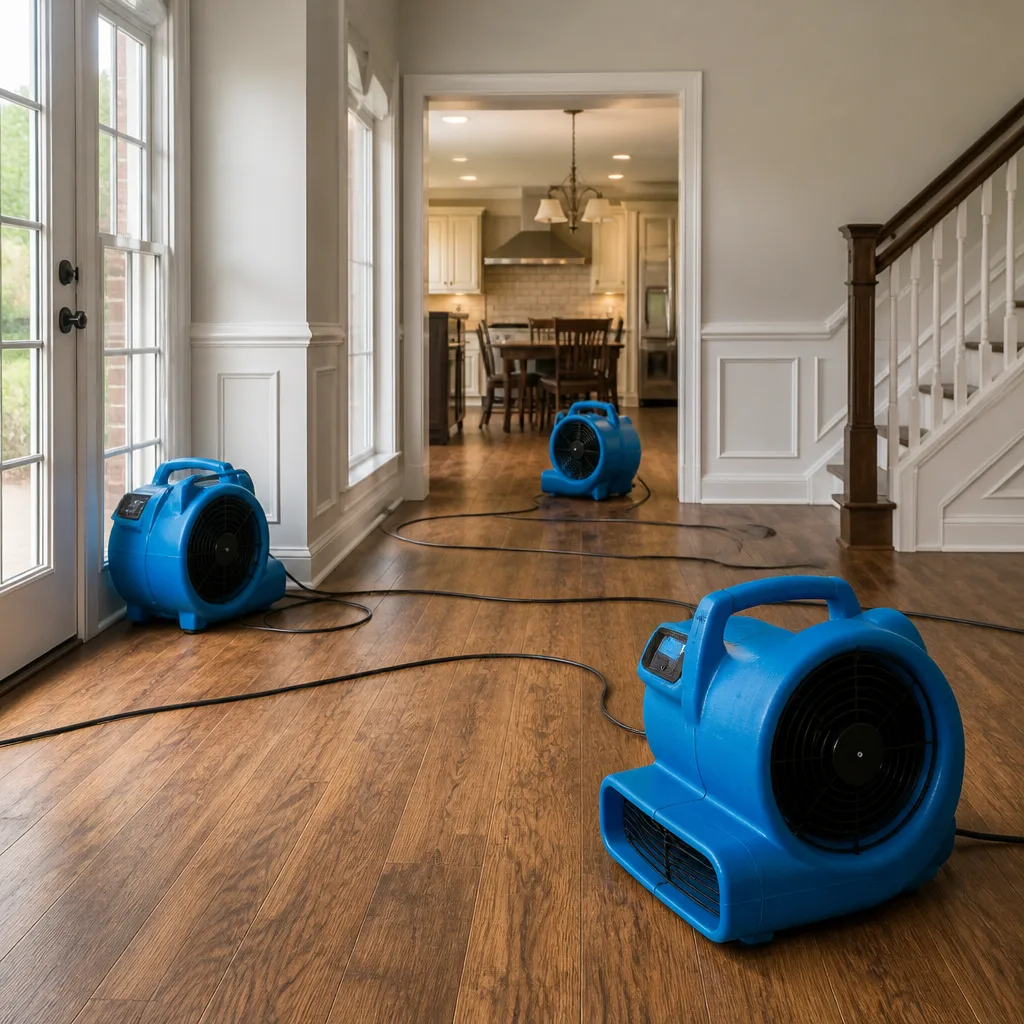 Water damage drying
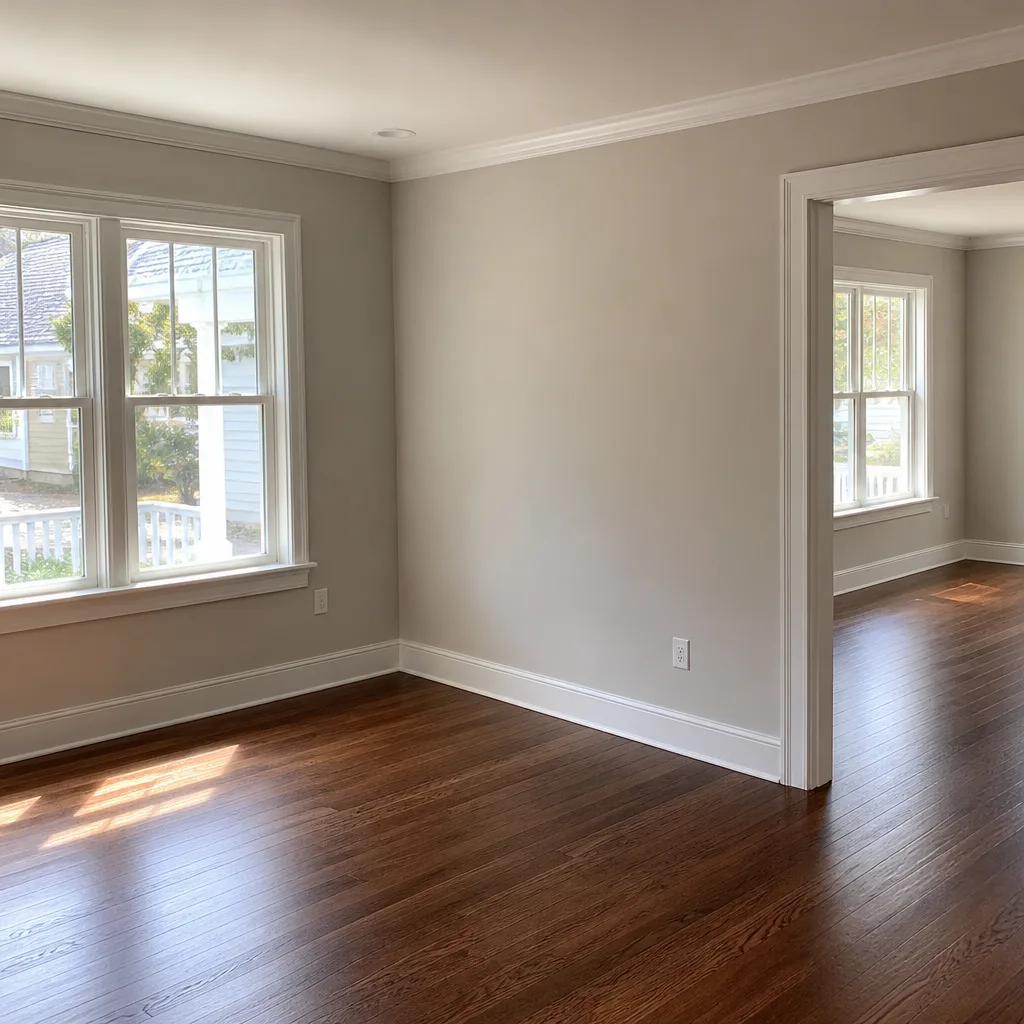 Mold remediation
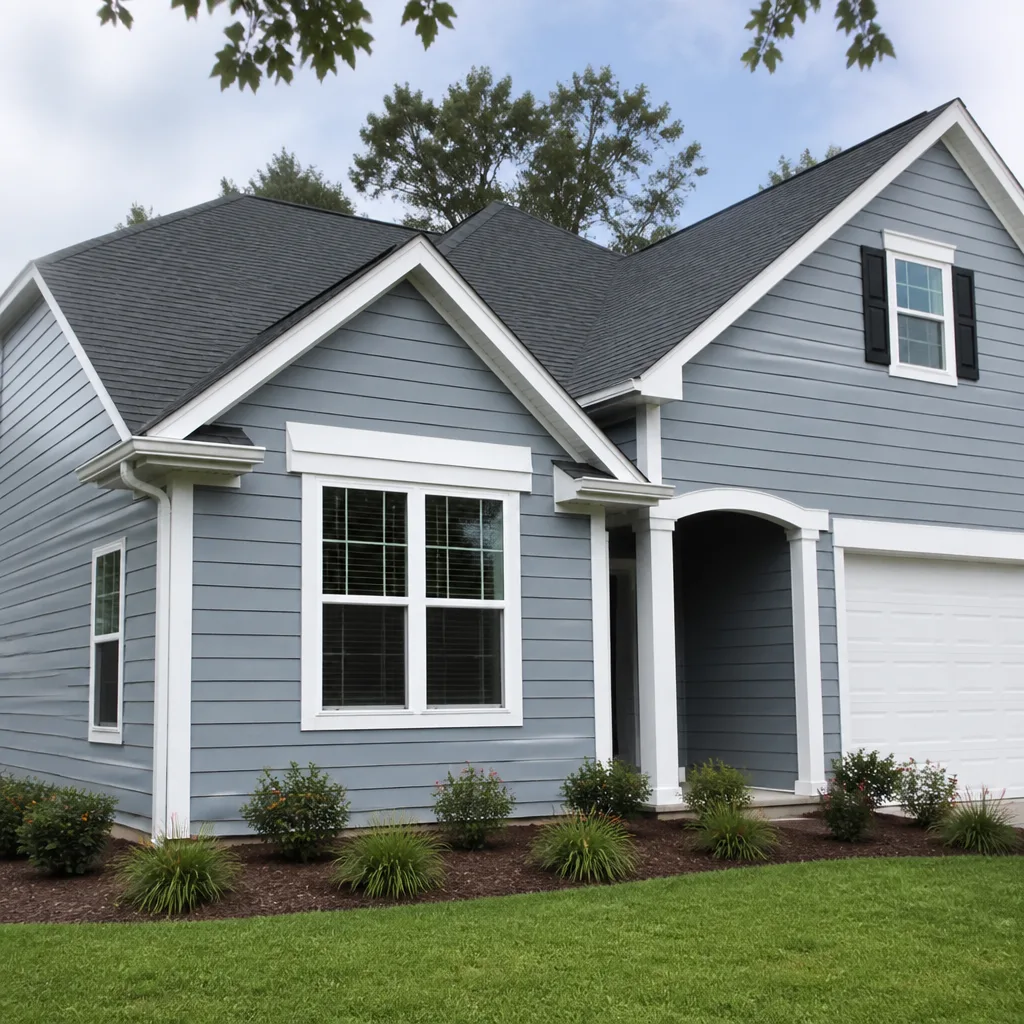 Storm response
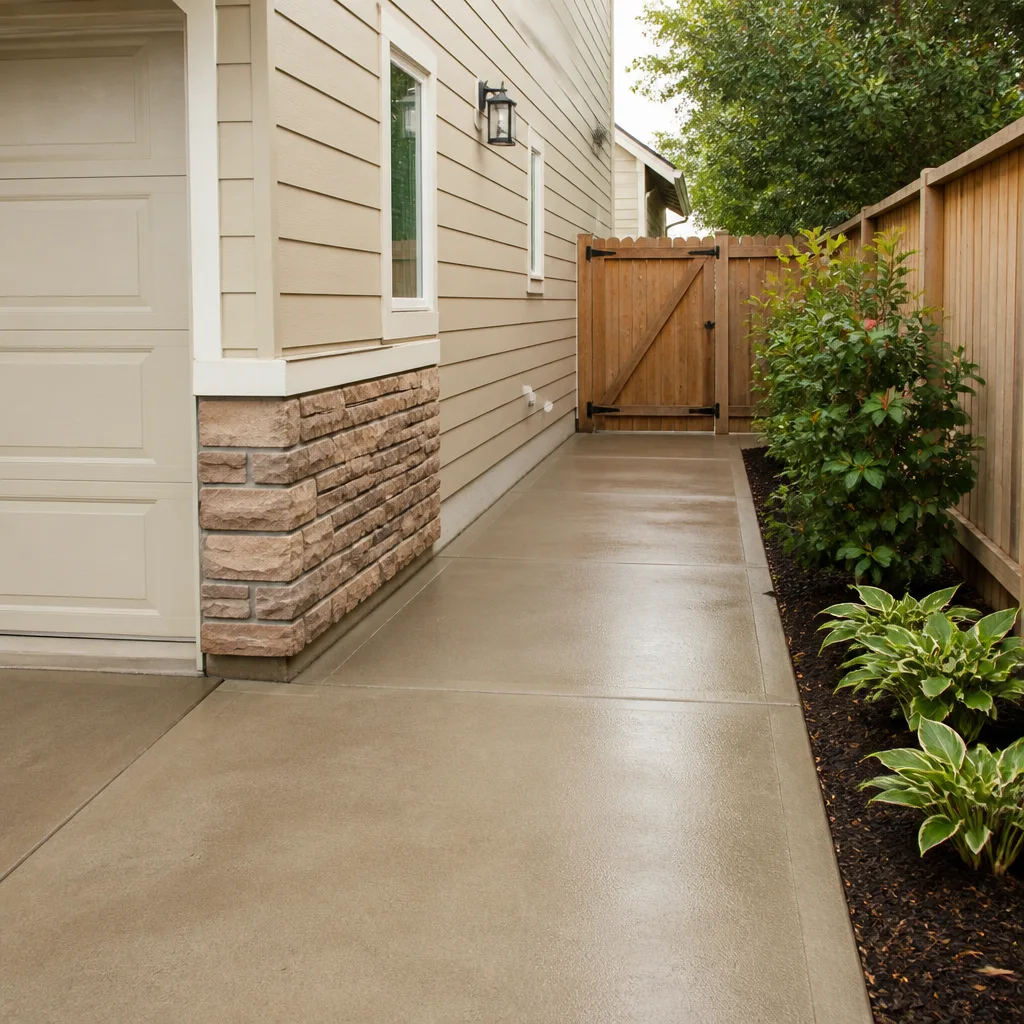 Sewage cleanup
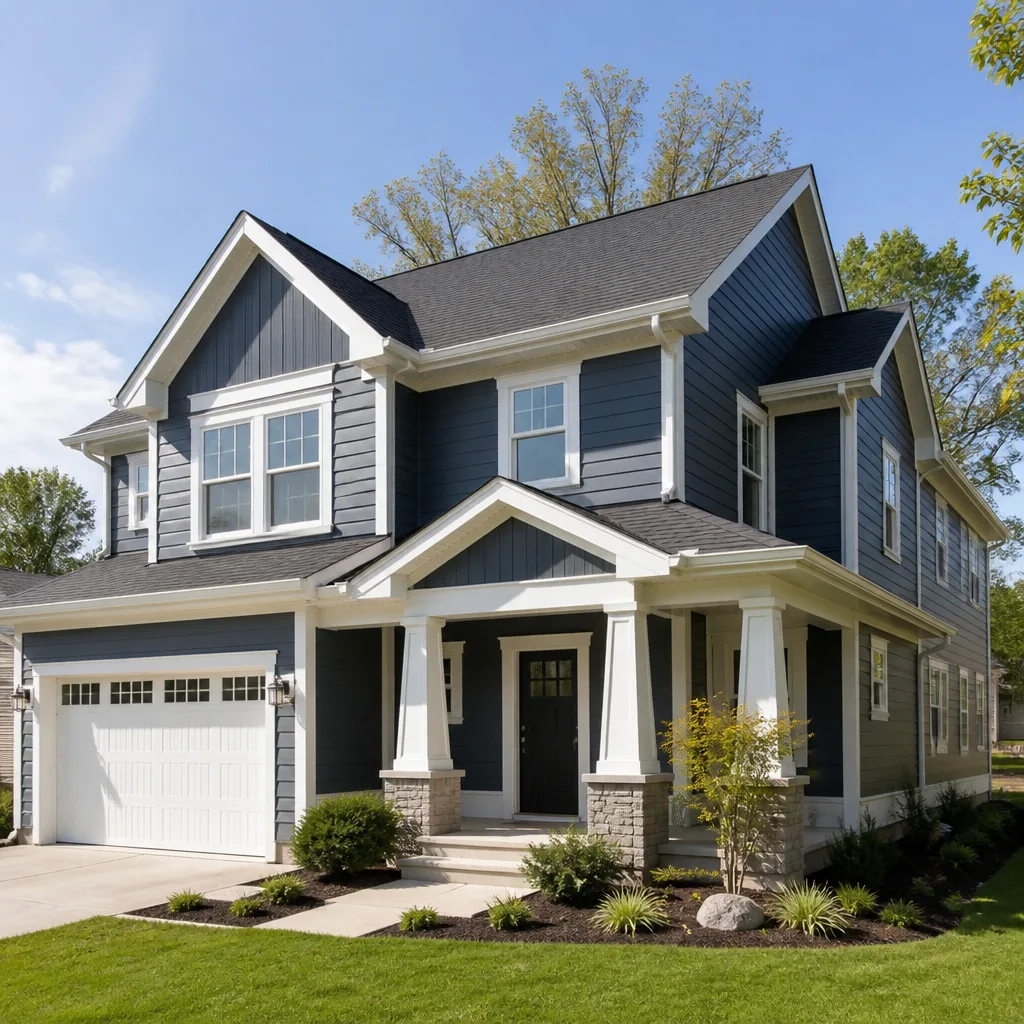 Reconstruction
Free visual inspection and a written scope of work before any mitigation begins - photos, moisture readings, and drying logs go in your claim file
The scope we write is the scope we bill. Anything new gets shown to you, in writing, before we touch it.
Get your free estimateRestoration work we handle
See the difference
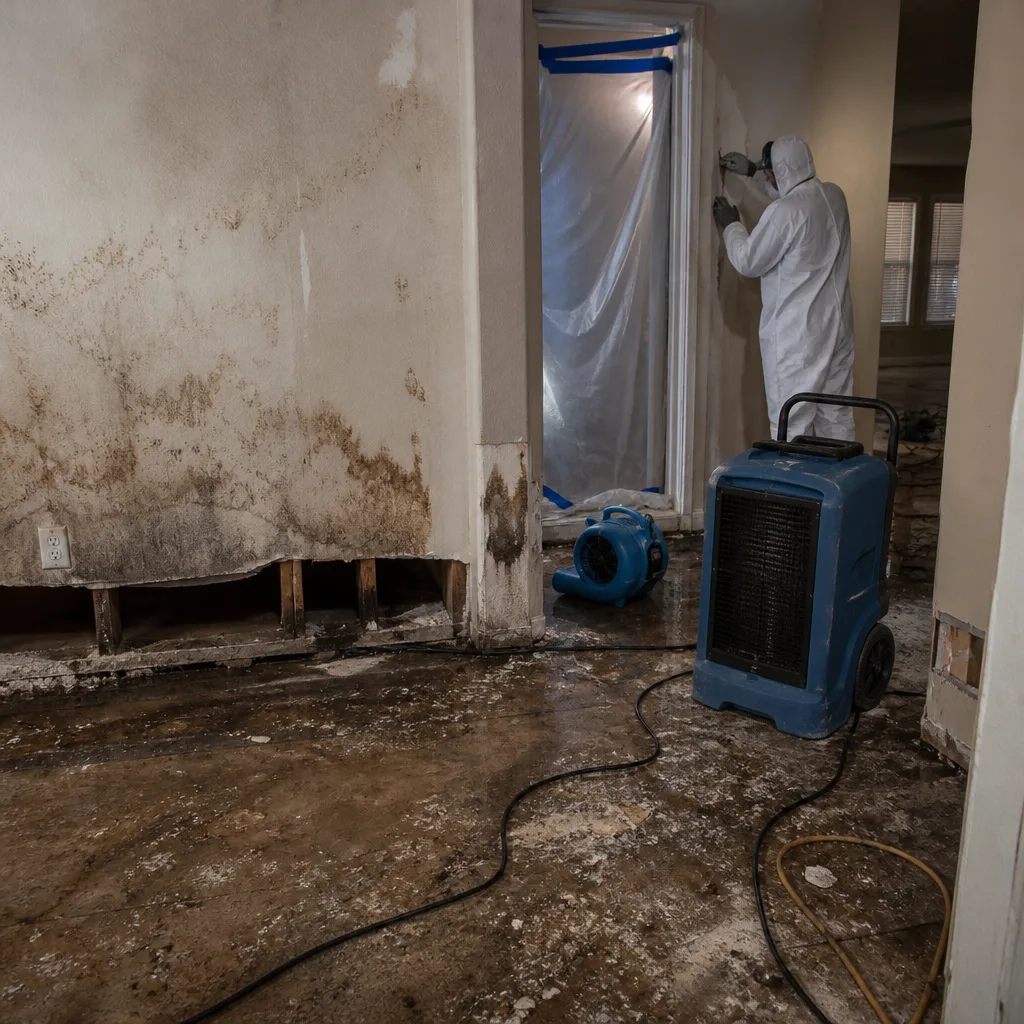 Before
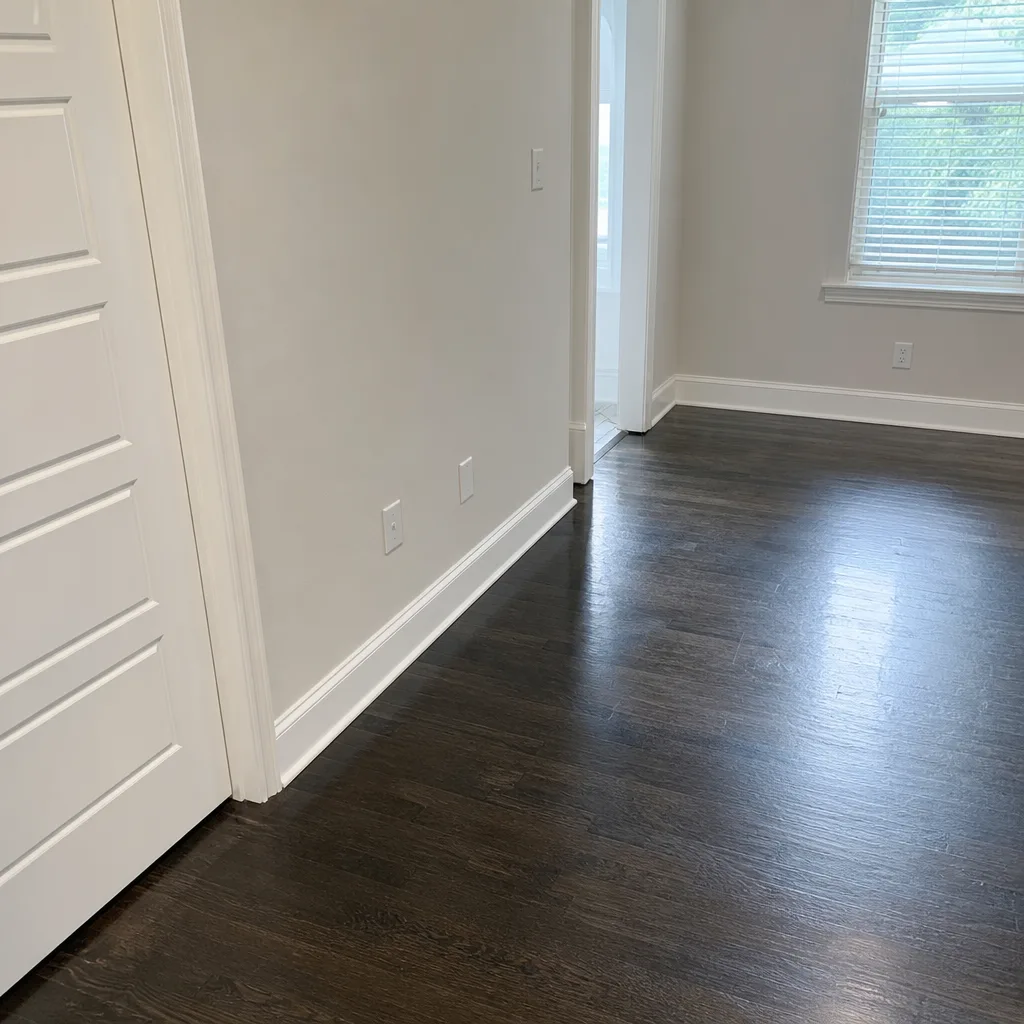 After
After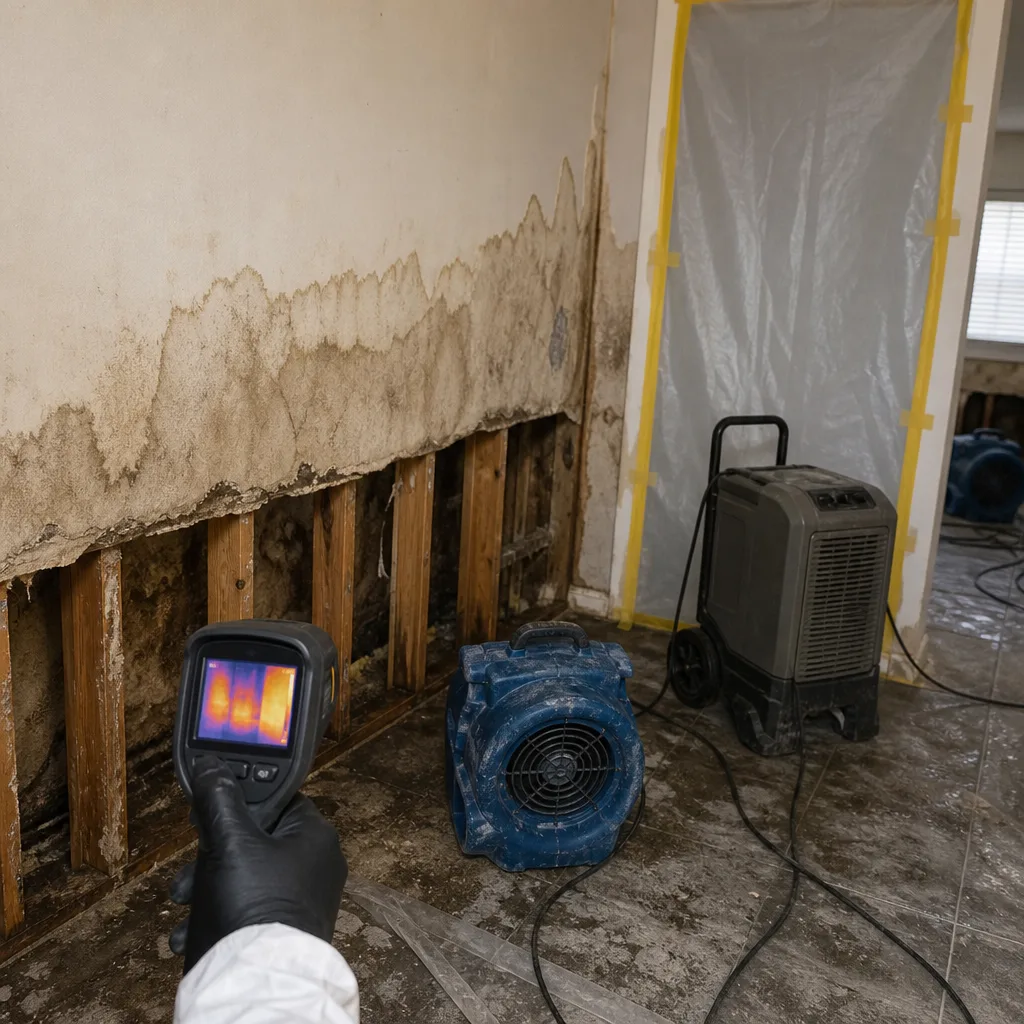 Before
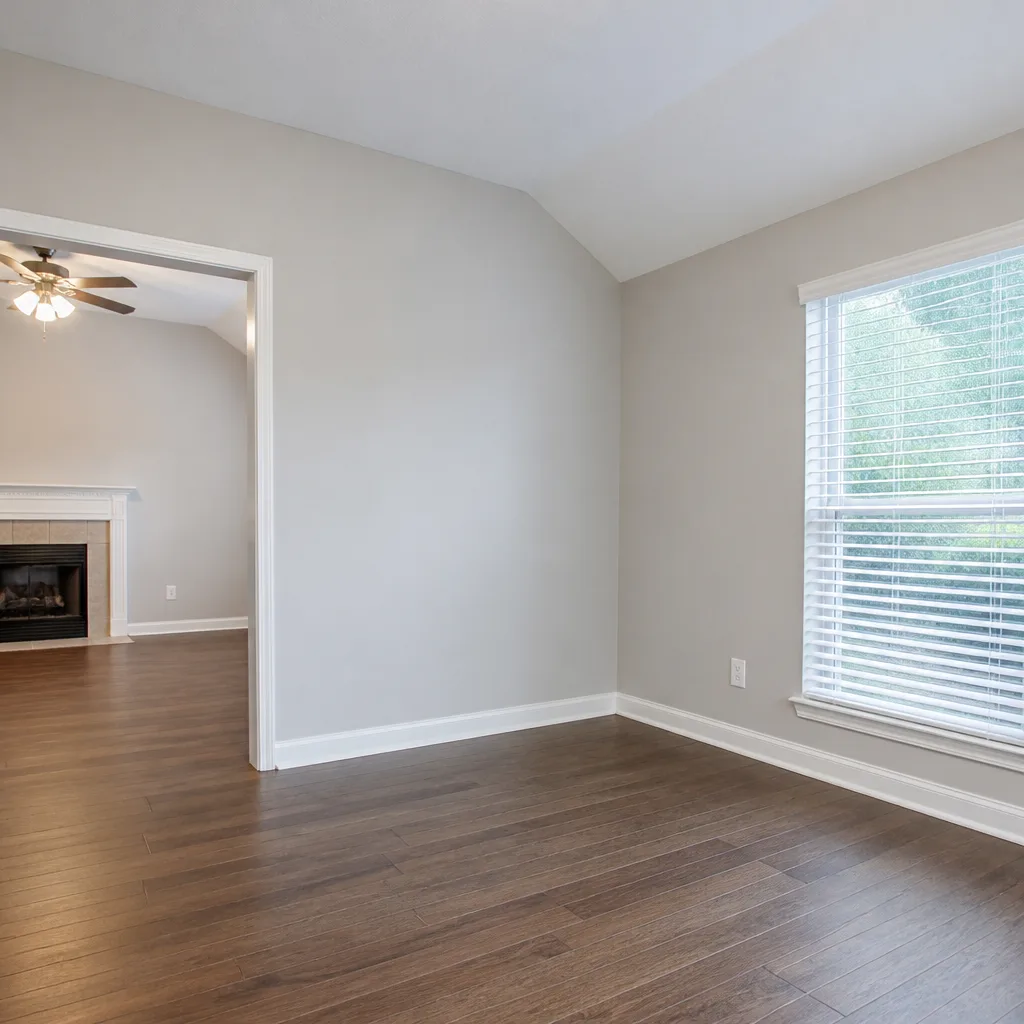 After
After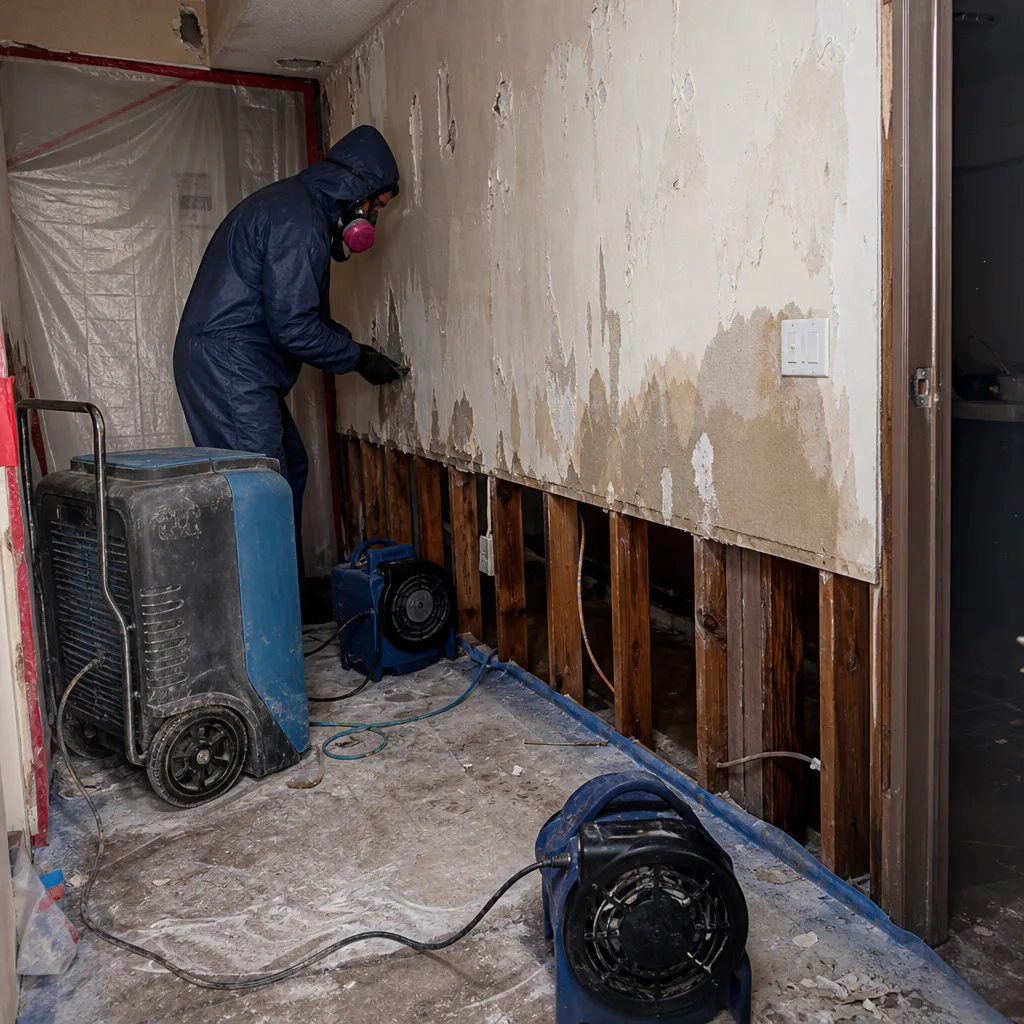 Before
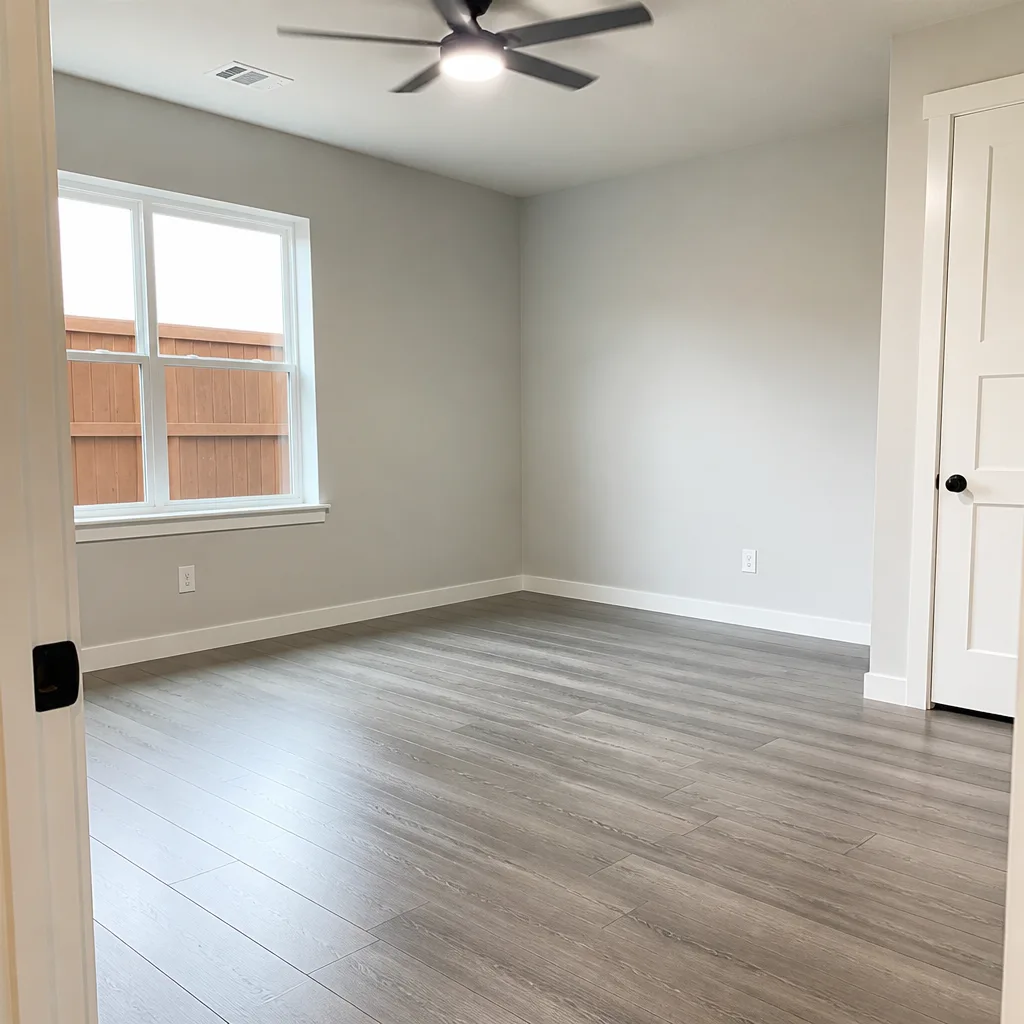 After
AfterHow Much Does Reconstruction & Cleanup Cost in Dallas?
Reconstruction and cleanup in Dallas typically costs between $3,500 and $28,000 for most residential projects, with a citywide average of roughly $9,750 for water, fire, or storm damage restoration that requires structural rebuilding. Smaller cleanup-only jobs, like a single-room water extraction with drywall removal, usually land between $1,800 and $4,200, while full rebuilds after a major fire or flooding event run $35,000 to $85,000 or more depending on square footage and materials. These figures reflect Dallas-area labor rates, local permit fees, and the cost of materials as of 2026.
Every damage situation is different, which is why Dryden Restoration Dallas puts a written price in your hands before any tool is touched. You’ll know the number up front, and that number does not change at the door. Call (940) 468-1166 for a free estimate from a live person, any hour, any day. Or keep reading for a detailed breakdown of what reconstruction and cleanup actually costs in Dallas and the surrounding areas like Plano, Garland, Irving, and Mesquite.
Reconstruction & Cleanup Cost Breakdown (2026)
Here’s what homeowners in Dallas can expect to pay for common reconstruction and cleanup services in 2026. These ranges are based on jobs we’ve priced across Dallas County and reflect current material costs from local suppliers and prevailing labor rates in the metro area.
| Service | Typical Dallas Price Range | What’s Included |
|---|---|---|
| Water extraction & drying (single room) | $1,800 – $4,200 | Standing water removal, baseboard detach, pedestal or submersible pump setup, Dri-Eaz or Phoenix dehumidifier placement, 3-5 days of drying, moisture monitoring |
| Sewage or contaminated water cleanup | $4,500 – $12,000 | Water removal, disposal of saturated materials, antimicrobial treatment, air scrubber, HEPA vacuuming, drying |
| Drywall replacement (per room) | $950 – $2,600 | Demolition of damaged drywall, haul-off, new gypsum board, taping, floating, texture match, primer |
| Flooring removal & replacement (per 500 sq ft) | $2,800 – $7,500 | Tear-out of damaged flooring, subfloor inspection, new flooring installation (laminate, engineered hardwood, or tile depending on room) |
| Full kitchen rebuild (post-fire or post-flood) | $18,000 – $55,000 | Demolition, electrical and plumbing rough-in, drywall, insulation, cabinetry, countertops, flooring, paint, trim |
| Full bathroom rebuild | $9,500 – $28,000 | Gut to studs and rebuild: waterproofing, tile, fixtures, vanity, drywall, paint |
| Mold remediation (localized, under 100 sq ft) | $1,500 – $4,000 | Containment, HEPA air filtration, affected material removal, antimicrobial treatment, post-remediation verification |
| Mold remediation (whole-home) | $8,000 – $25,000 | Full containment, room-by-room remediation, structural drying, treat or replace affected framing, post-remediation testing |
| Fire damage cleanup (smoke and soot only) | $3,200 – $9,800 | Soot removal from walls and ceilings, thermal fogging, ozone treatment, air duct cleaning, content cleaning |
| Structural repair after fire | $12,000 – $65,000 | Framing repair or replacement, roof section rebuild, drywall, insulation, electrical, plumbing, paint, finish work |
| Full home reconstruction (major loss) | $35,000 – $85,000+ | Complete gut and rebuild of affected areas, structural repairs, all finishes, fixtures, and flooring |
A few things push a Dallas reconstruction price toward the top of these ranges. Two-story homes in neighborhoods like Lakewood or Preston Hollow often cost more because water travels down through floor cavities and damages ceilings below. Older homes throughout East Dallas and Oak Cliff frequently have plaster walls instead of drywall, which requires more labor to remove and repair. And homes in newer developments like Frisco or McKinney, while newer, may have higher-end finishes that cost more to match.
Something else worth knowing: the psychrometric drying process, which is the technical approach to removing moisture from the air and structural materials after water damage, directly affects cost. If relative humidity (RH) inside the home stays above 60%, drying takes longer and requires more equipment days. Our crews use Dri-Eaz, Phoenix, XPOWER, B-Air, and Injectidry systems, the same professional-grade machines used by large commercial restoration crews, and we explain what we’re using and why on every job.
You’ll get a written price before any work starts, and it includes everything: labor, materials, equipment rental, disposal fees, and the reconstruction and cleanup work itself. No line item appears later that wasn’t in the original number.
What Affects Reconstruction & Cleanup Pricing in Dallas
Several factors move the needle on what you’ll pay for reconstruction and cleanup in the Dallas area. Some are obvious, others less so.
- Water category and contamination level. Category 1 clean water from a supply line costs less to address than Category 2 or 3 water from a washing machine overflow or sewer backup. Contaminated water requires more aggressive material removal and antimicrobial treatment, which adds to the total. In Dallas, many homes on slab foundations route plumbing through the slab, and a failed line can push Category 3 water up through flooring.
- Square footage affected. This is the most straightforward cost driver. A 200-square-foot laundry room flood costs far less than a 2,000-square-foot downstairs soaking. More area means more drywall, more flooring, more drying equipment, and more labor.
- Material type and finish level. Standard drywall and carpet cost less to replace than custom cabinetry, hardwood flooring, or specialty tile work. Homes in areas like University Park or Highland Park often feature finishes that require matching specific materials, which can double or triple the material line item.
- Access and structural complexity. Crawlspaces, attics with limited clearance, and slab foundations all slow down work. Homes built on pier-and-beam foundations, which are common in older Dallas neighborhoods like M Streets and Junius Heights, require crews to work underneath the home, which adds labor time.
- Permit requirements. The City of Dallas requires permits for structural, electrical, and plumbing work. Permit fees and inspection scheduling add cost and time. Most of the surrounding suburbs, including Richardson, Carrollton, and Arlington, have their own fee schedules, and we handle the permitting process as part of the written price.
- Drying timeline. In Dallas summers, outdoor temperatures climb into the 90s and beyond, and indoor humidity rises right along with it. That means dehumidifiers work longer and harder to reach the target moisture content in structural wood and drywall. More equipment days on site adds to the bill.
Dallas slab foundations present a specific challenge that many homeowners don’t anticipate. When a supply line fails under the slab, water seeps upward through the concrete and into flooring, baseboards, and the lower sections of drywall. The repair often means breaking through concrete to access the failed pipe, then patching and re-pouring before finish work begins. That single factor can add $2,000 to $6,000 to a project versus a similar-sized loss in a home with a crawlspace.
Older Dallas homes bring their own cost considerations. Plaster walls, which we encounter regularly in neighborhoods like Bishop Arts, Winnetka Heights, and Kessler Park, require more labor to cut out, dispose of, and match than modern drywall. Similarly, homes built before the 1980s may contain materials that require special handling and disposal protocols.
We also see storm-related reconstruction pricing shift after major Dallas weather events. After the hailstorms that regularly roll through North Texas in March through May, material costs can spike temporarily as demand rises across the metro. The same happens after a major freeze event like the one that hit Texas in February 2021, when burst pipes flooded thousands of Dallas homes in a single week.
Our pricing approach means you won’t be surprised by any of this. Carl Brandt, who leads Dryden Restoration Dallas, built the company’s process around a simple principle: say the price before the work. That means walking the property, assessing the actual damage, checking moisture levels with professional equipment, and putting the real number in writing. It’s the Kingswell way, and it’s been our standard since 2005.
Reconstruction & Cleanup Process: How It Works
Understanding the process helps you understand the price. Here’s how a typical reconstruction and cleanup job in Dallas goes from first call to final walkthrough.
- Call and assessment. You call (940) 468-1166, and a live person answers, 24 hours a day, 7 days a week. We schedule a time for a technician to assess the damage. The assessment includes moisture readings, structural inspection, and a review of affected materials.
- Written price. Before any work starts, you receive a written price that covers the entire scope of the job. This is the number, and it does not change unless the scope changes and you approve the change in writing first.
- Mitigation and water removal. If water is present, we begin extraction immediately. Saturated drywall, insulation, and flooring come out. Drying equipment goes in: Dri-Eaz dehumidifiers, Phoenix air movers, and depending on the space, an XPOWER, B-Air, or Injectidry system for hard-to-reach cavities.
- Drying and monitoring. Over the next several days, crews monitor moisture levels daily. The goal is to get structural wood and drywall down to the moisture content appropriate for Dallas’s climate before any rebuild begins. Skipping this step is how bad contractors leave hidden moisture behind that turns into mold.
- Reconstruction. Once everything reads dry, rebuild starts. New drywall, insulation, flooring, paint, trim, cabinetry, whatever the scope calls for. This phase moves room by room and includes all finish work.
- Final cleanup and walkthrough. We leave the place cleaner than we found it. You walk through with the project lead, check every detail, and sign off. Then you get the written 365-Day Done Right Promise in hand.
That last step matters more than most people realize at the time. The guarantee says that if any covered repair fails within a full year, we come back and fix it at no charge. It’s written on every job, not verbal, and it’s a promise Carl and the entire team stand behind. If something goes wrong inside the guarantee period, the return visit is free. That’s the home standard we’ve operated under since day one.
How to Save on Reconstruction & Cleanup
You can’t control when a pipe bursts or a fire starts, but there are a few ways to keep your Dallas reconstruction and cleanup costs down without cutting corners.
- Act fast. The longer water sits, the more materials it destroys. What starts as a $2,000 water extraction turns into a $12,000 drywall and flooring replacement if water soaks for 48 hours or more. Call the moment you see water.
- Document everything before work starts. Take photos and video of all damage before any demolition. Insurance claims go smoother and faster with thorough documentation, which can mean the difference between a claim that pays in weeks and one that drags for months.
- Understand your insurance policy. Many Dallas homeowners policies cover water damage from sudden events like a burst pipe, but not gradual leaks or maintenance issues. Know your deductible and coverage limits before you call, so you can make informed decisions about what to authorize.
- Don’t wait on water damage that seems minor. A small leak behind a wall in a Dallas summer becomes a mold problem fast, and mold remediation is significantly more expensive than drying. If you see discoloration on a wall or ceiling, or smell a musty odor, get it checked.
- Get a written price before work begins. This is the single biggest cost protection available. A written price means no surprise charges, no bumping the bill at the door, no “we had to do extra work” calls. You’ll know exactly what the job costs before the first tool is touched.
Dryden Restoration Dallas offers free estimates. Call us at (940) 468-1166 and we’ll send a background-checked, uniformed technician to assess the damage and give you a real number, no obligation.
FAQs – Reconstruction & Cleanup Cost
How much does water damage restoration cost in Dallas?
Water damage restoration in Dallas typically costs between $1,800 and $12,000, depending on the size of the affected area and the water category. A single-room clean water extraction and drying job starts around $1,800 to $4,200, while sewage or contaminated water cleanup runs $4,500 to $12,000 because of the additional safety protocols and material removal required. Call (940) 468-1166 for a free estimate and an exact number for your situation.
Is it cheaper to repair or replace after water damage?
Repair is almost always cheaper than replacement when the affected materials are still structurally sound, typically $1,800 to $4,000 for a single room. Replacement becomes the better financial choice when drywall is saturated, flooring is warped, or mold is present, in which case a single-room rebuild runs $4,500 to $9,500. We’ll tell you which option makes sense for your specific damage, and the written price makes the comparison easy.
How much does fire damage cleanup cost in Dallas?
Fire damage cleanup in Dallas runs $3,200 to $9,800 for smoke and soot removal alone, and $12,000 to $65,000 when structural repairs are needed. The wide range reflects whether the fire was contained to one room or spread through the home, and whether framing, electrical, or plumbing were damaged. For a specific number, call (940) 468-1166 for a free on-site assessment.
Does homeowners insurance cover reconstruction and cleanup?
Most Dallas homeowners insurance policies cover sudden and accidental damage like a burst pipe or fire, typically a covered loss with a deductible between $1,000 and $5,000 depending on your policy. Gradual damage like a slow leak that has been ongoing is usually not covered. We work directly with insurance companies and provide the documentation adjusters need to process claims efficiently.
Can you come today for a reconstruction and cleanup estimate?
Yes. Dryden Restoration Dallas has crews on call across Dallas, Tarrant, Collin, and Denton counties, and a live person answers every call 24 hours a day, 7 days a week. Most estimates are scheduled same-day or next-day, and emergency water removal is available around the clock. Call (940) 468-1166 and we’ll get a technician out to you right away.
Get a Written Price on Reconstruction & Cleanup in Dallas
If you’re facing water damage, fire damage, mold, or any kind of structural repair in the Dallas area, the first step is getting a real price from someone who will actually show up and do the work. Dryden Restoration Dallas has served the metro area since 2005 as an independently owned and operated Kingswell company, and every job comes with a written price before work begins, a named arrival window, and a 365-Day Done Right Promise in writing.
Our technicians are background-checked and arrive in uniform. Our equipment is professional-grade: Dri-Eaz, Phoenix, XPOWER, B-Air, and Injectidry. Our work follows IICRC, RIA, and IFA standards. And our phone is answered by a live person, every hour of every day.
Call (940) 468-1166 today for a free estimate and a written price. No pressure, no voicemail, no surprises.
Pricing reflects the Dallas market as of 2026. Dryden Restoration Dallas offers free estimates – call (940) 468-1166. Written by Carl Brandt, Owner at Dryden Restoration Dallas, serving the Dallas metro since 2005.
What Our Customers Say
"Pipe burst under the sink while we were at work and the kitchen floor was soaked. Called Dryden and someone was there in under an hour with fans and a moisture meter. They stopped it from spreading into the living room."
- Gerald Foster"Found mold behind the bathroom wall after a slow leak. They tested it, showed me what they found, and were upfront that it was a smaller job than I feared. No scare tactics, fair price."
- Monica Shelby"Roof leak soaked a bedroom ceiling. They dried it, found the wet insulation I'd have missed, and coordinated with my insurance. Kept me in the loop the whole time."
- Alma Reyes