
 Mold remediation
 Water damage drying
 Fire & smoke cleanup
 Storm response
 Sewage cleanup
 Reconstruction
Free visual inspection and a written scope of work before any mitigation begins - photos, moisture readings, and drying logs go in your claim file
The scope we write is the scope we bill. Anything new gets shown to you, in writing, before we touch it.
Get your free estimateFast, Reliable Mold Remediation Across Dallas
Mold remediation in Dallas typically costs between $1,800 and $6,500 for a full project, and in slab-on-clay homes that have hidden sewage seepage, the number can climb higher. If you’ve spotted discoloration spreading across drywall or caught that musty smell near baseboards, call (940) 468-1166 and a live person answers, day or night. Our crews work in Dallas neighborhoods from Lake Highlands to Oak Cliff, and we know what our clay soil does to foundations. That matters more than most homeowners realize.
Why Dryden Restoration Dallas Is Dallas’s Preferred Mold Remediation Company
We’ve been responding to Dallas water and mold events since 2005 as an independently owned and operated Kingswell company, and our approach is deliberately old-fashioned in one way: every price is written down before a tool is touched. That price does not change at the door, no matter what the crew finds once walls are opened. Carl Brandt leads our Dallas team with a simple operating rule: Say the price before the work.
Dallas homeowners who hire us get a named arrival window, not “sometime between 8 and 5.” A background-checked, uniformed technician shows up in a Dryden truck. If the repair fails within 365 days, we come back and fix it at no charge. That guarantee is written into your contract, not implied in a handshake. For Mold Remediation, we follow IICRC and RIA standards, and we run Dri-Eaz, Phoenix, and XPOWER drying systems, the same machines large commercial crews use.
Restoration work we handle
Mold Removal Specialist in Dallas
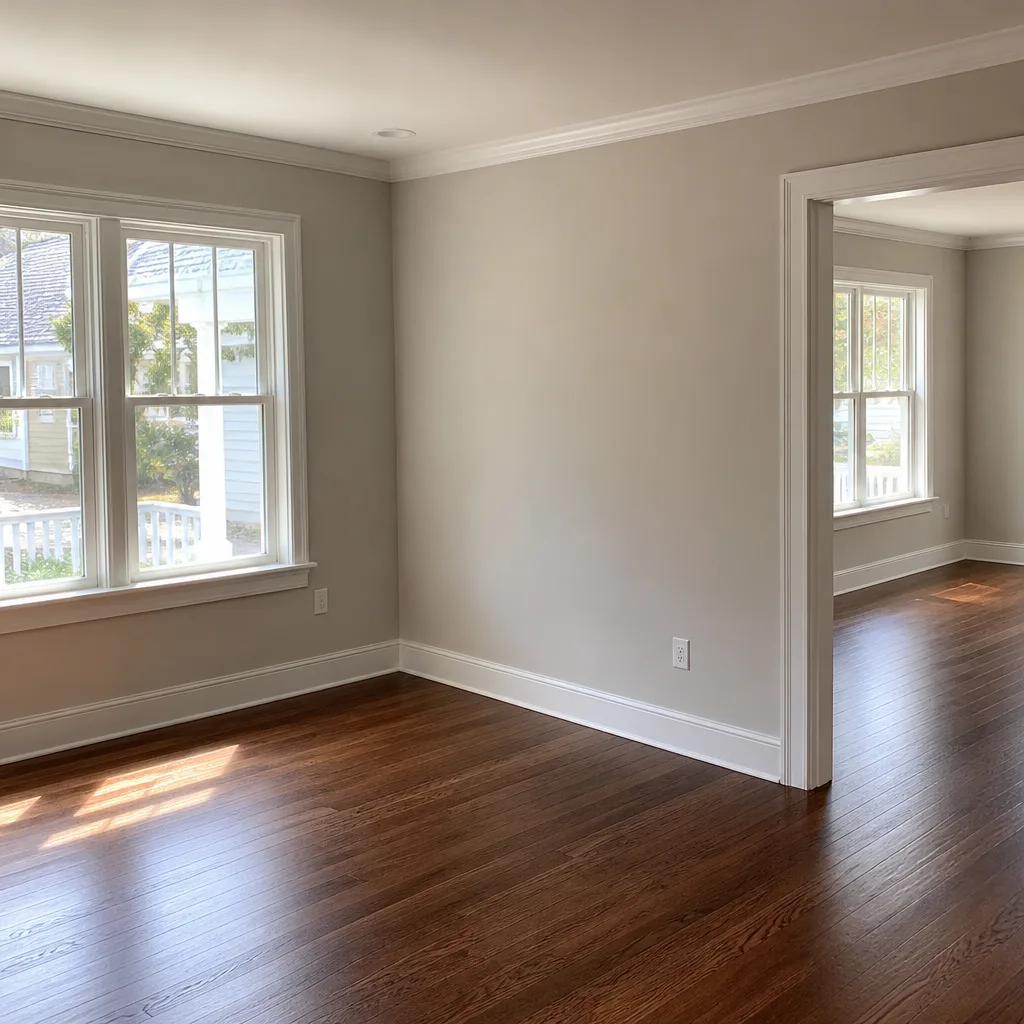
A Mold Removal Specialist handles what most Dallas homeowners actually face: mold that’s colonized after a plumbing leak, a roof breach from hail, or a water heater failure. The job involves containing the affected area so spores don’t move through your HVAC returns, removing saturated and colonized materials, drying the structure with professional equipment, and treating remaining surfaces with antimicrobials. In Dallas slab homes, the specialist has to look deeper than the drywall: shifting clay soil cracks cast-iron drain lines under the foundation, and that’s where the water keeps coming from.
Containment and Material Removal
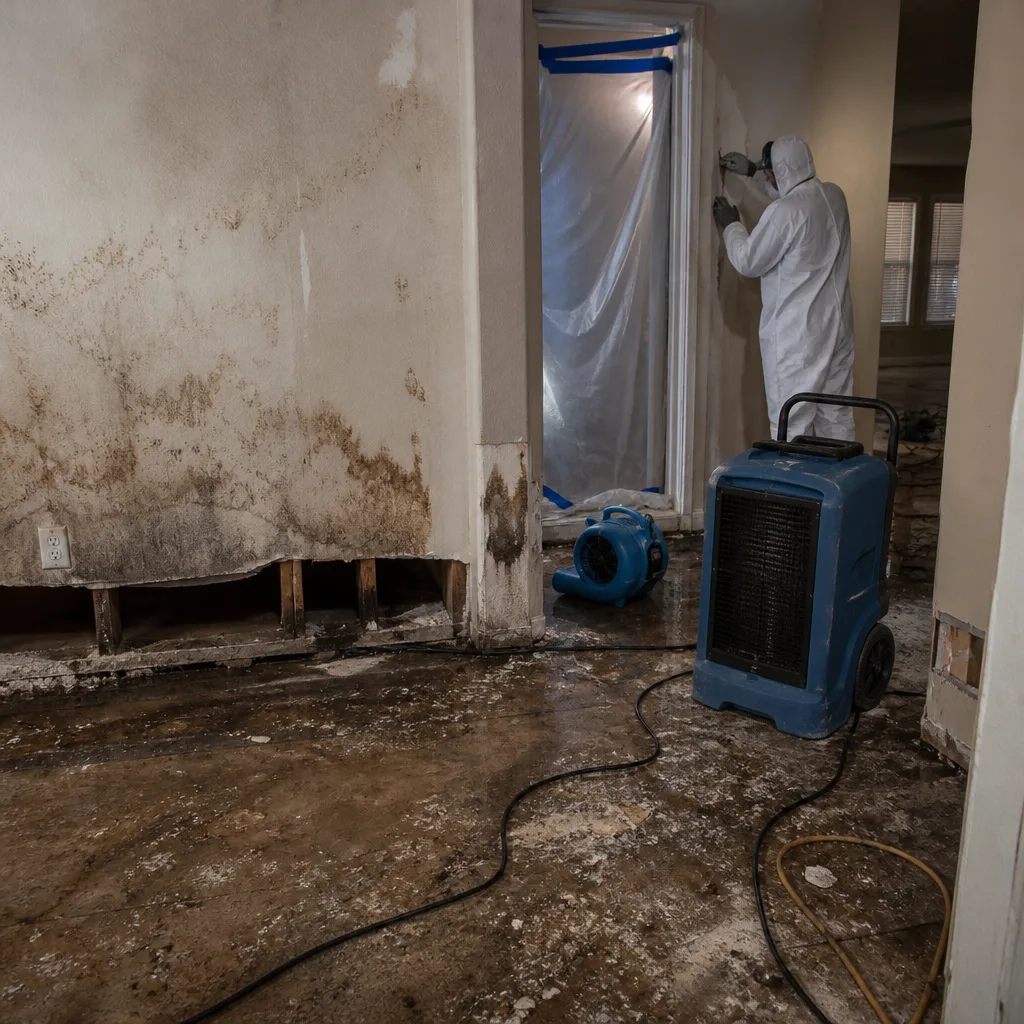
Before any demolition starts, we seal the work area with 6-mil poly sheeting and negative air pressure so mold spores don’t find their way into adjacent rooms or the air handler. Wet drywall, baseboards, carpet pad, and any insulation that’s been saturated get bagged and removed. The goal is to take out anything that can’t be dried completely.
When a Dallas Homeowner Needs This
Call us the day you see staining or smell that earthy odor. Mold colonizes within 48 to 72 hours after water sits, and in Dallas’s summer heat, that timeline shortens. If you’ve already had a plumber out for a slab leak, even a slow one, don’t wait for visible growth. Hidden moisture behind baseboards is doing the same damage while it stays invisible.
Expect to pay $1,800 to $4,200 for a single-room mold removal in Dallas. Larger areas run $4,500 to $6,500. The variance comes from whether sewer water is involved, how far the mold has traveled inside the wall cavity, and whether containment requires sealing off HVAC ductwork.
Black Mold Removal in Dallas
Black mold removal in Dallas is serious work, not a chemical spray job. The term usually refers to Stachybotrys chartarum, a greenish-black mold that grows on materials left wet for days or weeks, commonly after a hidden sewage backup or a slab leak in an older Dallas home. It’s often the follow-up problem: the leak happened, someone dried the surface, and the real moisture stayed trapped behind drywall or under flooring.
Sewage-Connected Black Mold
When black mold follows a sewage backup under a slab, the remediation isn’t just removal. It’s sanitization. Anything saturated with category 3 water (sewage) comes out: carpet, pad, baseboards, drywall up to at least 12 inches above the water line. The concrete slab gets cleaned, disinfected, and dried. Then we treat the framing and remaining surfaces before rebuild starts.
Costs and Timeline for Black Mold
Black mold removal in Dallas typically runs $3,200 to $7,800 depending on how much of the home’s interior was exposed and whether structural framing needs sanding or replacement. A single bathroom with a failed wax ring and black mold under the floor might sit at the lower end. A Lake Highlands slab home with a cracked cast-iron sewer line and mold behind three rooms of baseboards will be higher. We don’t treat visible mold. We find the water source, map the moisture, and remove the problem completely.
Trusted Brands We Service in Dallas
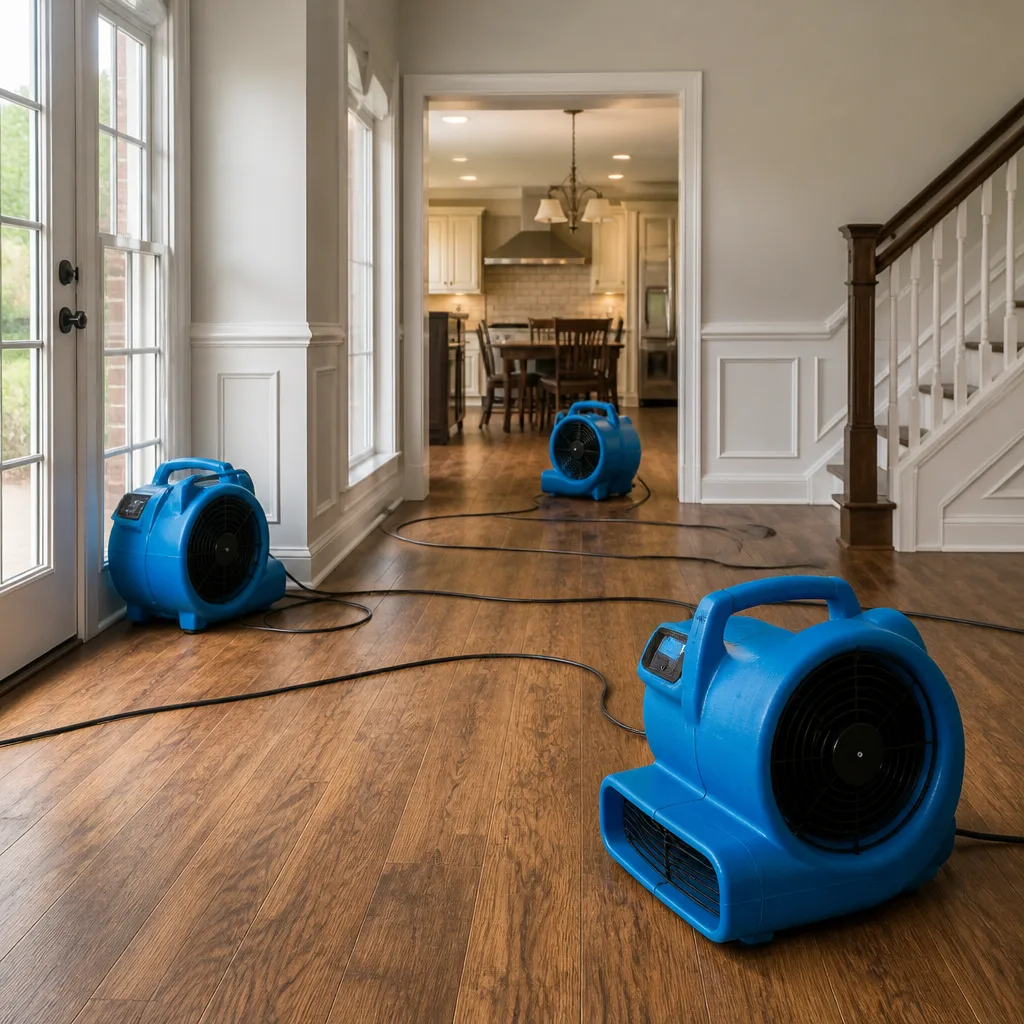
Most Dallas homeowners aren’t shopping for drying equipment brands, but we think you should know what we run. Our crews use Dri-Eaz dehumidifiers, Phoenix axial air movers, and B-Air systems for smaller enclosed spaces. We maintain Injectidry panels for hard-to-dry wall cavities behind tile and wainscoting, a common problem in Dallas homes where water wicks upward through drywall. When you call us for mold remediation in Dallas, you get the same equipment specification a commercial restoration company would bring, plus a technician who explains what each machine is doing in plain English.
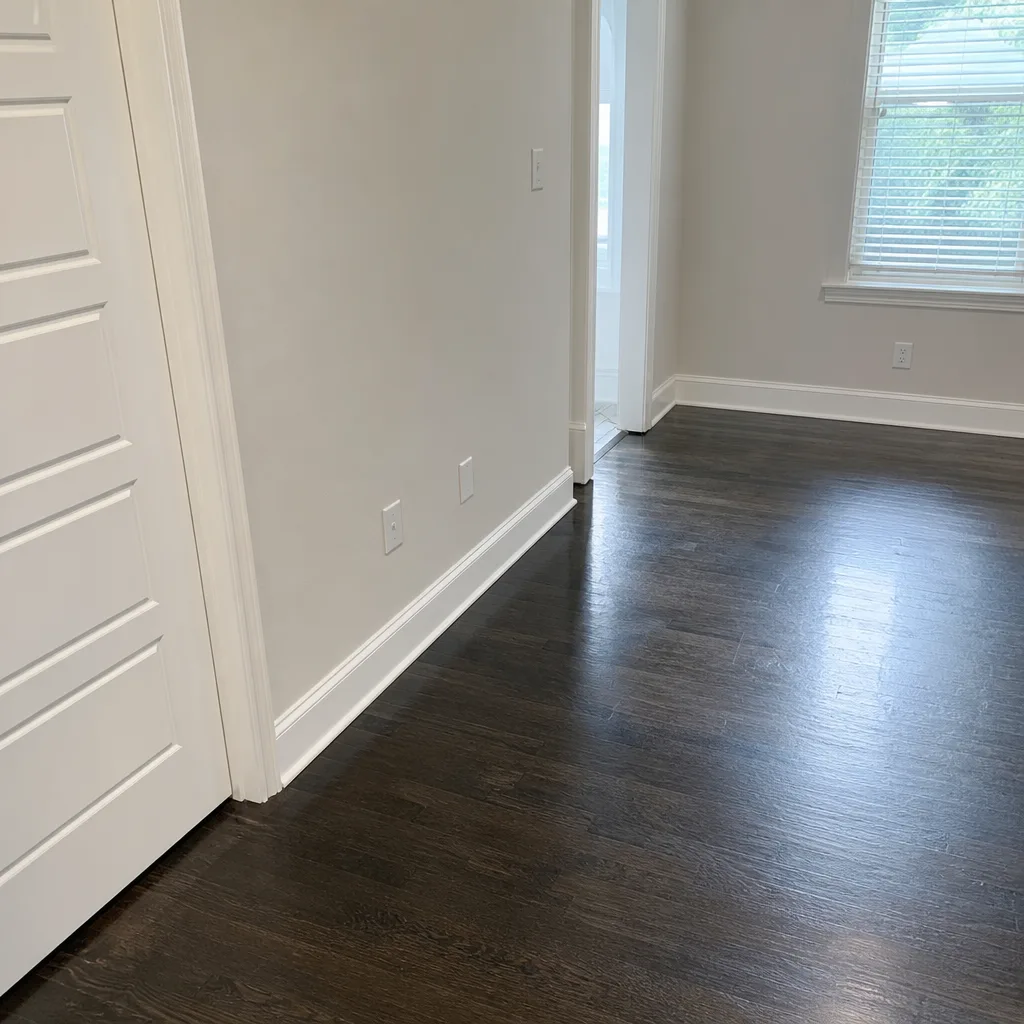
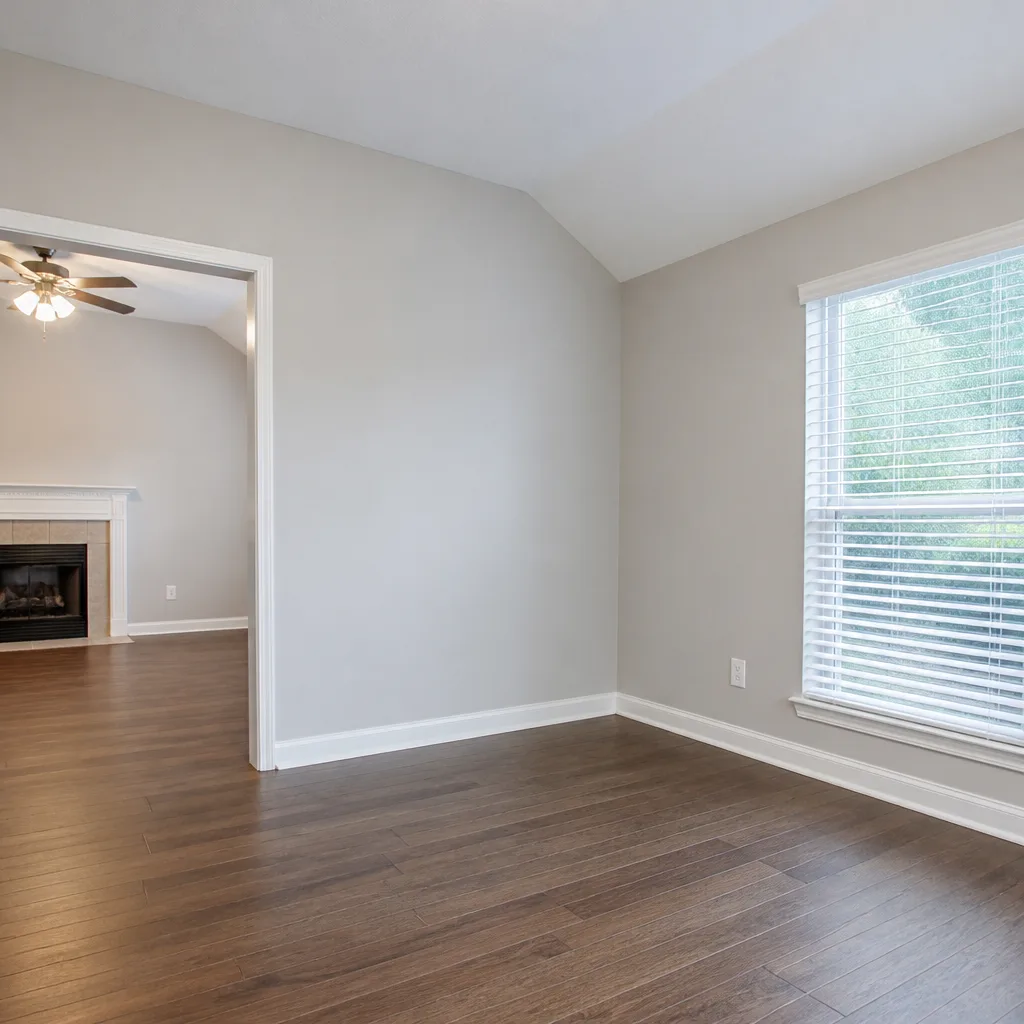
See the difference
 Before
 After
After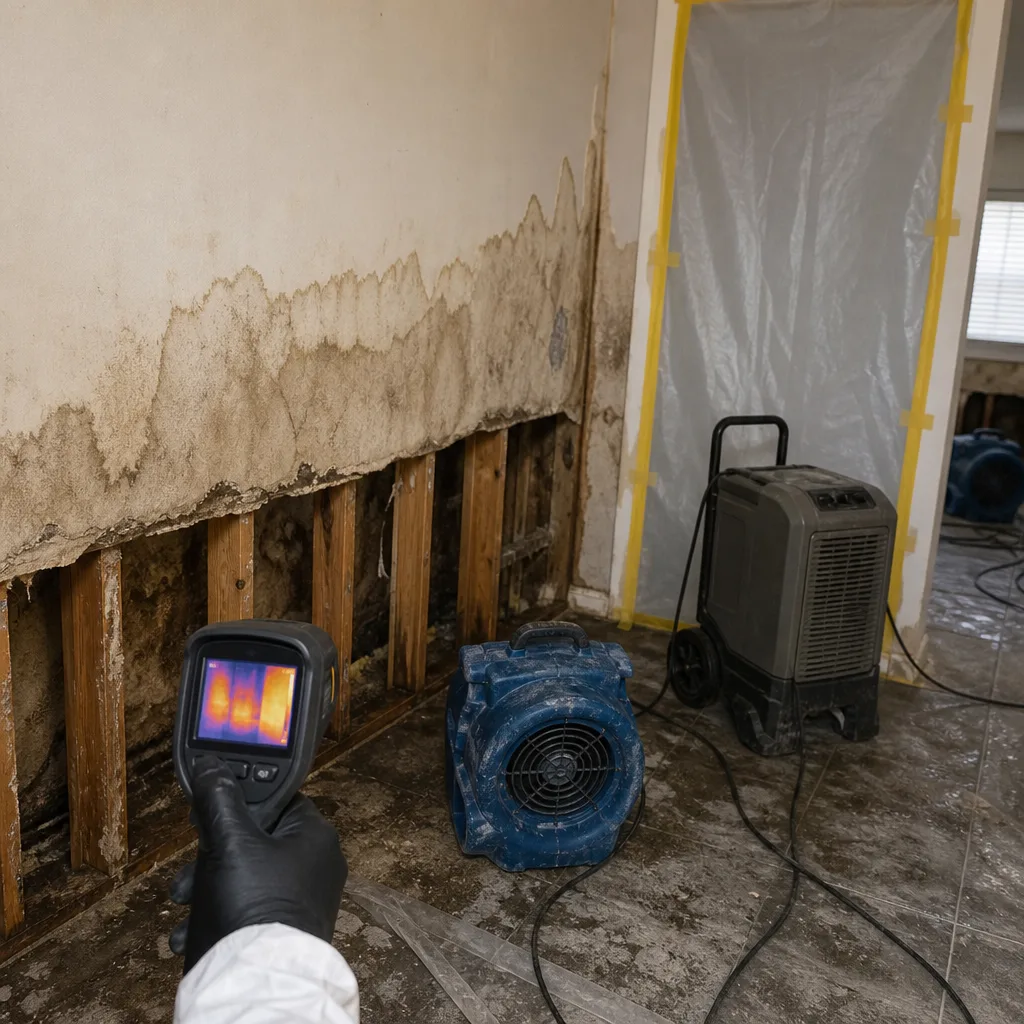 Before
 After
After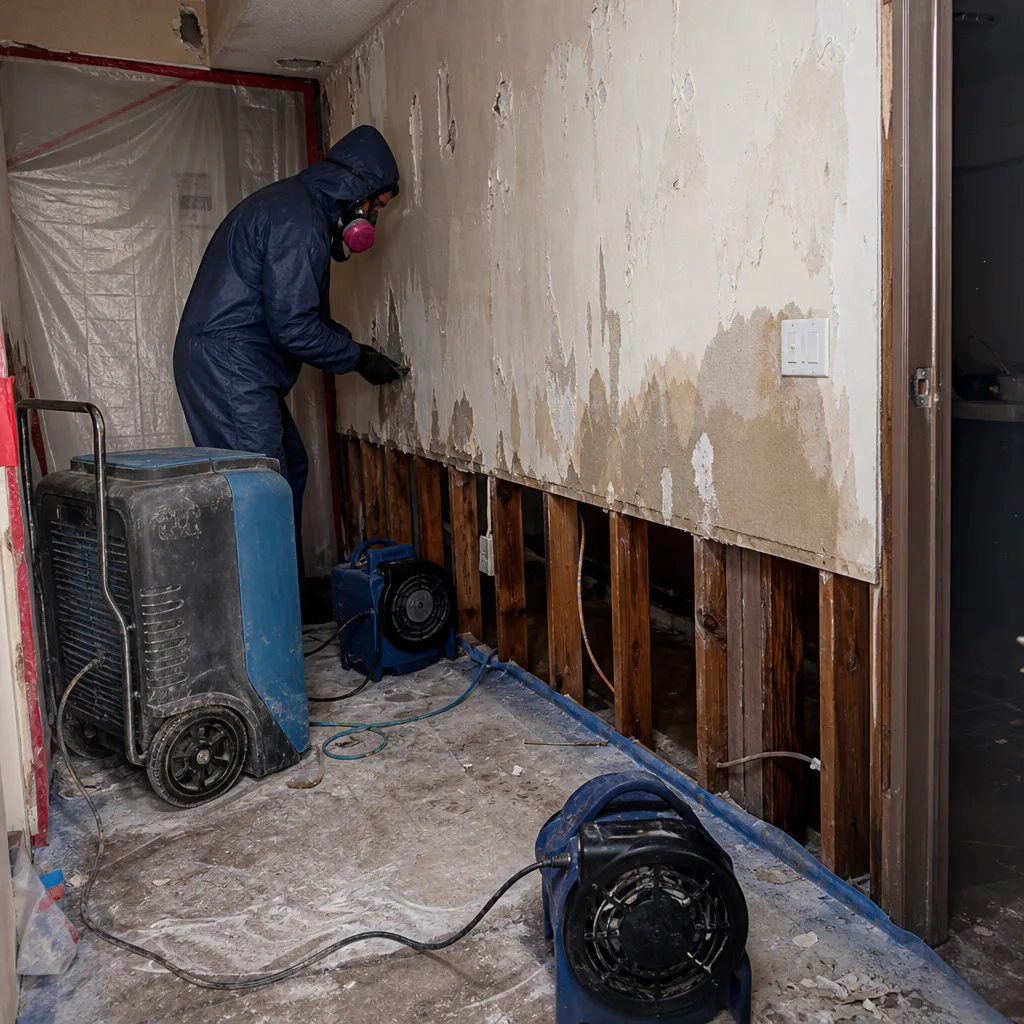 Before
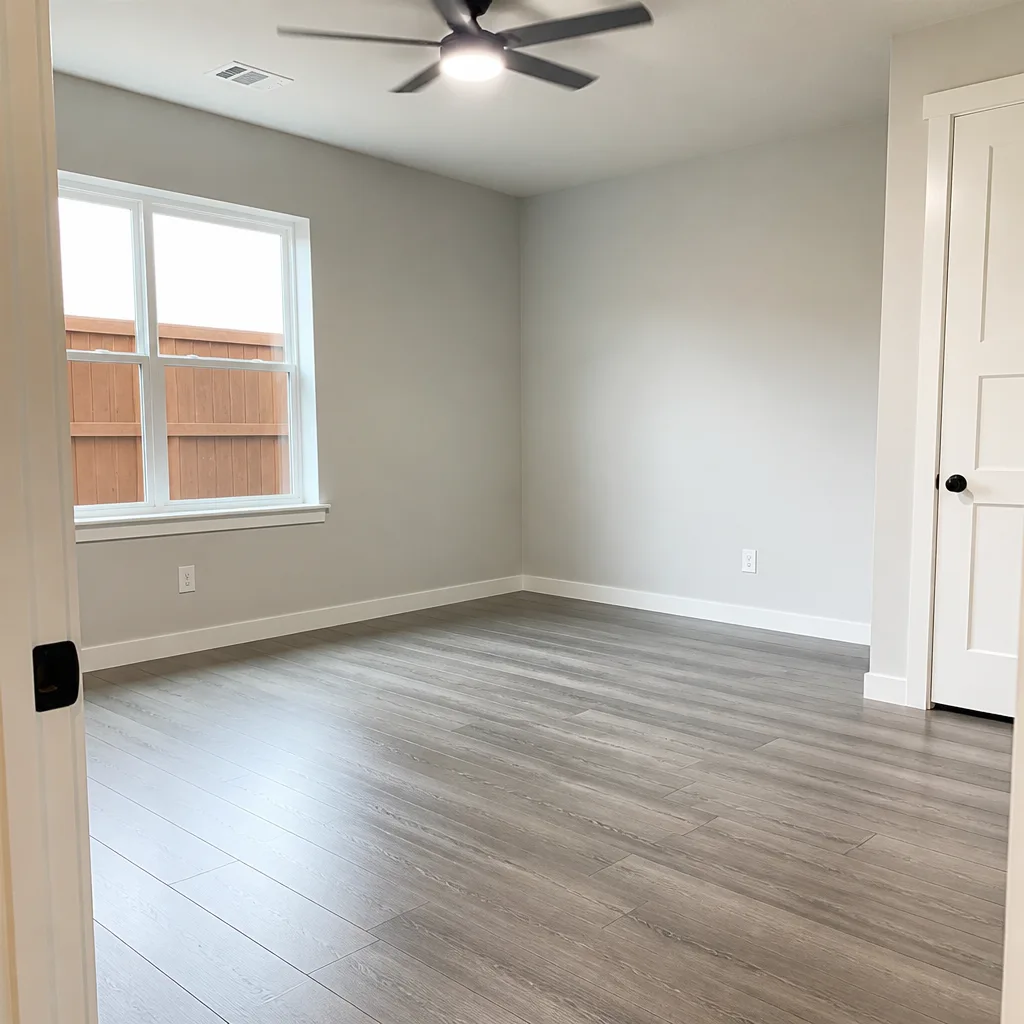 After
AfterCommon Mold Remediation Problems We See in Dallas Homes
- Hidden slab leaks behind baseboards: Expansive clay shifts with seasonal moisture, and the movement cracks cast-iron sewer lines under the slab. Water seeps up through the foundation and wets the bottom plates of walls, where mold grows behind baseboards for weeks before anyone sees it. We moisture-map the slab to find these, not just the wet drywall.
- Post-storm roof leaks that get painted over: Hail opens roof penetrations, water runs down wall cavities, and a homeowner paints over the ceiling stain a month later. Mold has already colonized the drywall and insulation behind that stain. The paint seals moisture in, and the problem compounds.
- Crawlspace mold spreading through HVAC returns: Dallas homes built before 1980 often have vented crawlspaces, and a humid summer pushes RH above 60% down there. If the return duct has even a small gap or crack, spores get pulled into the living space every time the air conditioner runs. We find mold blooming on floor joists while homeowners are treating bathroom tile that was never the source.
- Previous remediation that skipped containment: A contractor removes the visible mold without sealing the work area. Spores scatter through the house, settle in ducts and behind furniture, and the homeowner is calling us six months later with mold in three new rooms. Containment is not optional, and we treat it that way on every Dallas job.
Pricing for Mold Remediation in Dallas, TX
Mold inspection and testing in Dallas runs $300 to $600 for a standard assessment with air or surface sampling. Crawl space mold treatment typically costs $2,000 to $5,000 depending on square footage and whether ductwork is involved. Moisture and humidity control solutions like whole-home dehumidifier installation run $2,500 to $4,800.
The final price on your written estimate reflects the size of the affected area, how much must be removed, whether sewage is present, and how long drying equipment needs to run. You’ll see every line item before we start. No number changes at the door. We don’t ask for a deposit until you’ve signed that you agree to the written scope and price. For an exact quote on your Dallas home, call (940) 468-1166. The estimate is free.
We Also Serve Cities Near Dallas
Our Dallas crews also respond to mold calls in nearby cities: Mesquite, Hutchins, Carrollton, and Coppell. We know the housing stock and clay soils across the metro, not just downtown high-rises. If you’re in one of those communities, Mold Remediation in Dallas applies to you, too. Call the same number: (940) 468-1166.
Serving Dallas, TX - Our Local Coverage Area
We’re based in the Dallas area and know this community well. Use the map below to see our service coverage - if you’re nearby, we can almost certainly help.
FAQs About Mold Remediation in Dallas
Because the water source was never found. In Dallas, most recurring mold follows a hidden leak under the slab: a cracked cast-iron sewer line, a failed drain pipe, or a shifting foundation joint that keeps re-wetting the same wall cavity. A previous crew may have removed visible mold and dried the surface, but if the slab keeps feeding moisture into the bottom plates, mold returns within weeks. Our process includes moisture mapping and, when needed, a plumber’s camera scope to find the leak before we do removal work. Without that step, any remediation is temporary. Call (940) 468-1166 and we’ll find what the last crew missed.
Yes, this is one of the most common jobs we do. Sewage backups under slab foundations in East Dallas and Lake Highlands demand category 3 water protocols: full containment, removal of all saturated porous materials, disposal of contaminated drywall and flooring, and sanitization of the concrete slab before drying and rebuild. We coordinate with a licensed plumber to repair or replace the broken line, then we handle the interior demolition, drying, antimicrobial treatment, and reconstruction. The 365-Day Done Right Promise covers this work in writing. If anything fails within a year, we return and correct it at no charge.
In Dallas’s summer heat and humidity, mold can begin colonizing within 48 hours of water intrusion. On a flooded slab home with carpet pad, that timeline compresses because the pad holds water against the concrete, and the temperature at the material surface can exceed 80°F. This is why the first call matters. Our crews can have containment set and drying equipment running the same day you reach us in most of Dallas. The faster drying starts, the less material gets removed and the lower your total cost.
Usually not for a small, contained job, but it depends on the size of the affected area and whether your unit’s HVAC shares a return with neighbors. In a high-rise, we run negative air pressure inside containment to pull airborne spores out through a HEPA-filtered exhaust, so any mold inside the work area doesn’t escape into your home or the shared corridors. If the job involves multiple rooms, removal of all flooring, or significant demolition, staying elsewhere for a few days often makes more sense. We’ll tell you during the estimate what’s realistic for your specific unit.
Dallas follows Texas Property Code, which requires landlords to repair conditions that materially affect the physical health or safety of an ordinary tenant, and that includes mold from a leak or water event. The city also enforces minimum property standards through Code Compliance. If you’re a tenant, document the water damage and notify your landlord in writing; if the mold isn’t addressed, Dallas code enforcement can intervene. If you’re an owner, hiring us puts you ahead of a code complaint because our work includes the moisture data and drying logs that show the problem was actually fixed, not just covered up.
If you’re seeing mold anywhere in your Dallas home, don’t wait for it to reach the next wall cavity. Call (940) 468-1166. A live person answers, we schedule a specific arrival window, and you get a written price before any work begins. That’s how we’ve handled mold remediation in Dallas since 2005, and it’s the only way we know how to work.
Written by Carl Brandt, Owner at Dryden Water Damage Restoration, serving Dallas and the surrounding metro since 2005.